Chinese supply of CCTV cameras in Britain sparks security concerns
Beijing-controlled Hikvision has over 1m of its security cameras based around British sites.

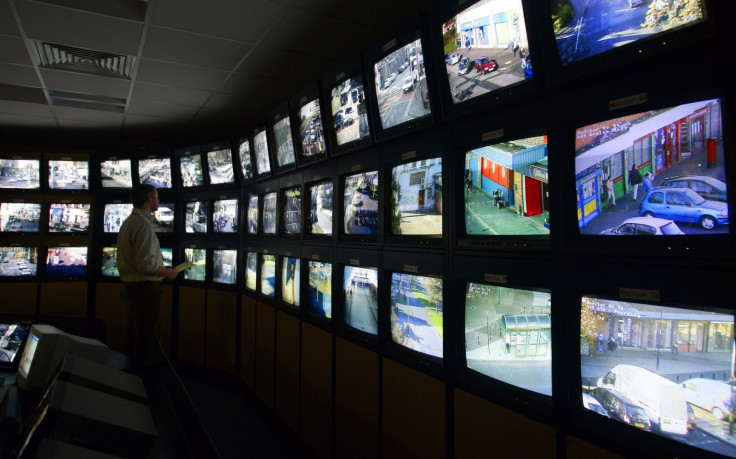
China is Britain's biggest supplier of surveillance equipment in revelations that have led to security experts questioning the oversight of Beijing's investment in the country.
The Chinese government controls Hikvision which has sold more than one million closed-circuit television cameras and recorders to UK clients which have been used in airports, stadiums and the London Tube.
Many of the cameras can recognise car number plates, track moving vehicles or use thermal imagery to see at night and most can be connected to the internet, The Times reported.
It is estimated that by the end of 2016, 1.27m Hikvision cameras will be in Britain, or 14 per cent of the British video surveillance market.
Around a quarter of them will monitor public sector buildings. Sites using them include Stansted and Glasgow airports, the boroughs of Hammersmith & Fulham and Salford, Ely and Folkestone town centres, the Premiership football club Burnley and Teesport sea port in Middlesbrough.
GCHQ is said to be worried that the government does not have a policy to assess the security risk of foreign investments. Nigel Inkster, former director of operations and intelligence at MI6, told the The Times: "There are questions to be asked. It's far from evident that they have been. If you've got cameras that are IP enabled {...} they could potentially be used for malign purposes.
"I can think of a hypothetical case of a Chinese [dissident] making his way to a police station seeking protection of asylum. It doesn't require a Nobel prize-winning intellect to work out what the possible implications of that could be. I think there are questions to be asked," he said.
The paper says the company, which declined comment, has managed to bypass questions over its links to the Communist Party, despite accusations against Beijing of cyber espionage.
Sir Malcolm Rifkind, the former foreign secretary, said that the government and western allies needed to carry out a "much more comprehensive assessment as to what is the line we will not cross with regard to giving China access to our infrastructure".
On Thursday, Theresa May approved the partly Chinese-funded £18bn Hinkley Point nuclear power plant. Under the terms of the deal, Beijing will build its own nuclear reactor in Bradwell on Sea, Essex.
© Copyright IBTimes 2026. All rights reserved.
- MOST POPULAR IN Politics