

Elon Musk to Become a Trillionaire by Year-End? Net Worth Surged $277B In a Week to $750B
Musk envisions universal income, saying AI will change economics and reduce financial struggles

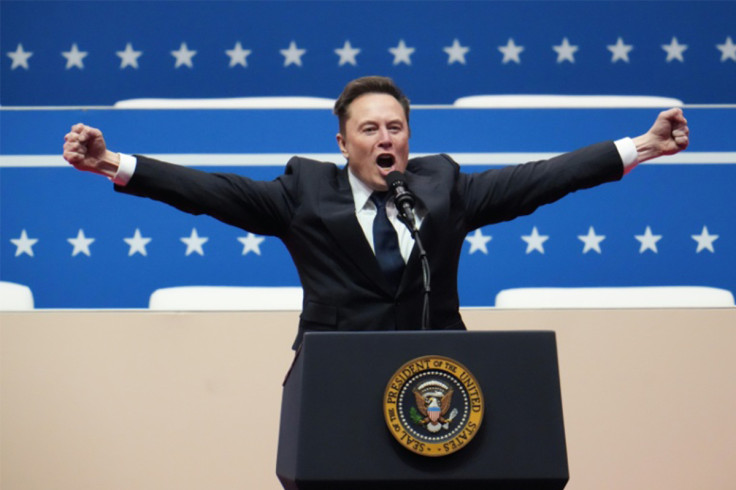
Elon Musk's net worth surged by around $167 billion (£124.4 billion) overnight to over $638 billion (£475.5 billion) last week after reports emerged that SpaceX could file for an initial public offering (IPO) at an estimated valuation of $800 billion (£596.3 billion).
This week, Musk's net worth climbed further to an astonishing $749 billion (£558.3 billion), according to the Forbes Real-Time Billionaires List. The recent surge is largely attributable to the Delaware Supreme Court reversing its earlier decision and ruling in favour of Musk receiving a $55 billion (£40.9 billion) pay package proposed by Tesla in 2018.
Tesla's share price has also surged over 19% in the past month, significantly boosting Musk's wealth due to his substantial holdings in the electric vehicle (EV) manufacturer. The approval of Musk's trillion-dollar pay package by the majority of Tesla shareholders has played a crucial role in supporting his rising net worth.
Meanwhile, Musk's xAI startup is reportedly in advanced negotiations to raise about $15 billion (£11.1 billion) in equity at a valuation of roughly $230 billion (£171.4 billion). This funding aims to further drive the company's efforts in developing cutting-edge artificial intelligence technologies.
At this pace, Musk could very soon become a trillionaire—contrasting with an earlier Forbes report that predicted he might reach that milestone by 2033.
Musk Says No Need to Save Money in the AI Era
While a $1 trillion (£745.4 billion) Tesla pay package for a company valued at around $1.5 trillion (£1.1 trillion) faced significant opposition, Musk's recent social media statements claiming that people don't need to save money—because AI will eliminate poverty and provide a universal high income—have sparked fierce debate.
Musk had previously stated that he did not require the money for a lavish lifestyle but to maintain control over his ventures, including Tesla, SpaceX, and xAI.
Social media users have questioned his views, especially as Americans head into the holiday season feeling less optimistic than last year. Data from the University of Michigan indicates a modest uptick in consumer sentiment, but housing sales in November rose sequentially, yet are expected to end 2025 at a 25-year low.
'Consumers are loud and clear that they believe the outlook for the economy has soured quite a bit since the beginning of the year,' said Joanne Hsu, Director of Surveys at the University of Michigan.
Consumer Spending Mostly Driven by the Wealthy
While consumer spending has remained relatively steady in the second half of the year, the upper third of income earners account for over 50% of that expenditure, leaving many lower-income households still living paycheck to paycheck.
Overall, wealthier individuals are doing relatively well, while lower-income households are grappling with high rents, rising delinquencies, and volatile job markets.
The November inflation rate of 2.7% was lower than anticipated; however, consumer sentiment remains cautious. Many feel that inflationary pressures persist, especially outside of housing costs, as prices for essentials continue to rise rapidly.
The tone from the US Federal Reserve could spark a Santa rally in the final trading days of the year, but fears of elevated market valuations are likely preventing the market from reaching new heights.
Disclaimer: Our digital media content is for informational purposes only and is not investment advice. Please conduct your own analysis or seek professional advice before investing. Investments are subject to market risks, and past performance does not guarantee future results.
© Copyright IBTimes 2026. All rights reserved.