Kevin O'Leary Says The 'Biggest Money Trap' is Getting Yourself a Suffocating Mortgage
As cheap mortgages end amid the AI boom, keep payments under 30% of income

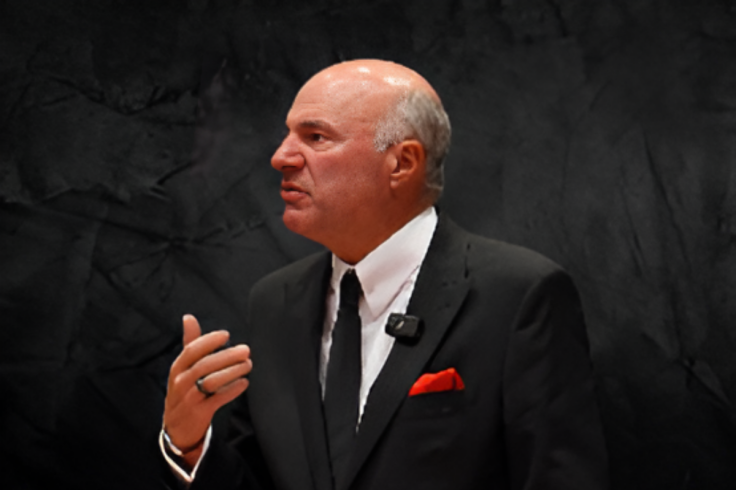
ABC's Shark Tank star and entrepreneur Kevin O'Leary has warned that many people unknowingly fall into the biggest financial trap — not a poor stock portfolio, but overextending themselves with a house that's too big for their budget. In a recent post on X on Monday, Mr. Wonderful highlighted that emotions often override basic maths when it comes to home buying.
He cautioned against letting feelings drive financial decisions rather than simple calculations. 'The biggest money trap people fall into without noticing? Very simple. They buy a house that's too big for them,' he wrote. O'Leary emphasised the importance of keeping mortgage payments to no more than a third of one's income. 'No more than a third,' he stressed.
The entrepreneur explained that many individuals stretch themselves by allocating 50% to 60% of their income to mortgage payments for properties that are beyond their means, leading to financial strain and stress. 'Get a smaller house. That is the whole key,' he advised, adding that as you can afford it, you can upgrade to a bigger house.
O'Leary pointed out that mortgage payments should ideally not exceed 30% of post-tax income. Going beyond this threshold, he warned, can leave homeowners 'house poor' — stuck with a property that drains cash flow, depletes savings, causes long-term stress, and hampers other financial goals.
His advice comes amidst data showing that nearly 50% of US renter households already allocate more than 30% of their income to housing costs, according to the US Census Bureau.
O'Leary Advocates a Staged Approach to Homeownership
O'Leary recommends adopting a staged approach rather than aiming for the 'forever home' right away. He suggests starting small with a property that comfortably fits within the 30% rule — typically between 1,500 and 2,500 square feet, suitable for a family.
He advocates for homeowners to focus on paying down their initial mortgage as their income grows and property values increase. Once they're well-positioned with sufficient liquidity and a higher property valuation, O'Leary advises selling the starter home and upgrading to a larger, more suitable property — but only from a position of strength, not desperation.
Buy Only If You Can Stay Put for Years
O'Leary's recent comments follow weeks after he stated that buying a home 'only makes sense if you're staying put for at least five years.' He explained that many young adults are better off renting near their workplace and investing any savings instead.
'Buying a home only makes sense if you're staying put for at least five years. If you're early in your career, rent close to work. Walk. Save transit costs and invest the difference. When you start a family, that's when you should shop for a home,' he said on X.
He further emphasised that current mortgage rates, which are around 6–7%, mean buyers will be able to afford less house than previous generations. 'Rates today are 6–7%, so you'll buy less house than your parents did, but timing it right matters more than size,' he added.
For O'Leary, homeownership is a lifestyle choice intertwined with stability. He recommends that people who are ready to start a family consider the neighbourhood, community support, and school system for their children. Until then, he suggests prioritising flexibility over taking on a mortgage that could become unmanageable.
Earlier this year, the investor warned that anyone 'waiting for mortgage rates to fall below 5%' could 'keep on dreaming'. He argued that the robust US economy and AI-driven productivity improvements signal that the era of cheap loans is over. O'Leary even criticised US President Donald Trump's proposal for a 50-year mortgage, calling it 'bad policy' and stating that it would mean 'you will never own the house.'
Disclaimer: Our digital media content is for informational purposes only and does not constitute investment advice. Please conduct your own analysis or seek professional advice before investing. Remember, investments are subject to market risks, and past performance does not guarantee future returns.
© Copyright IBTimes 2026. All rights reserved.
- MOST POPULAR IN Invest