

EU Slaps Elon Musk's X With Massive £105M Fine Over Blue Check Scandal
EU delivers its first major DSA penalty, accusing X of misleading users and failing transparency rules
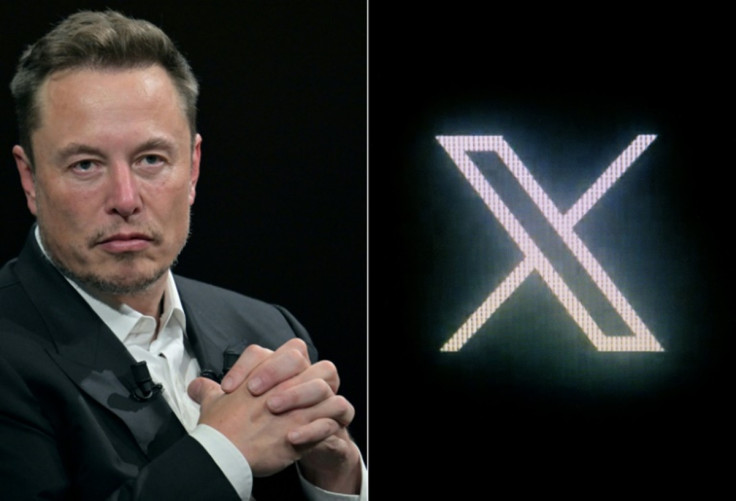
Following a two-year investigation into the company's practices, the European Union has imposed a landmark penalty fee of 120 million (approx. £105 million) on X, marking the first significant enforcement action under the bloc's Digital Services Act (DSA).
The European Commission announced the fine on 5 December 2025 after finding that X failed to meet transparency requirements for its blue checkmark verification system and committed other related breaches.
According to commission officials, the fine reflects multiple breaches of the DSA, which is a body of codes enforcing transparency, accountability and safety of digital platforms for users across the European bloc. It covers all online intermediaries and imposes very strict obligations on very large online platforms such as X.
What Triggered the Fine
At the centre of the Commission's decision is the use of X's blue checkmark system, which previously represented verified identities but was reconfigured under Musk to be offered to anyone willing to pay for a subscription.
Under EU rules, deceptive design features that mislead users about verification status are forbidden, and Brussels ruled that X's system does exactly that. 'This deception exposes users to scams, including impersonation frauds, as well as other forms of manipulation by malicious actors,' regulators said in their announcement.
The Commission also criticised X for a lack of transparency in its advertising repository, which is necessary for academic and civil society scrutiny of political and commercial influence operations.
According to Brussels, the platform's ad database was not available in key respects, lacking key details about ad content and the legal entities behind campaigns. At the same time, too many delays damaged its purpose.
In a third blow to the DSA, X was found to have limited external access to its public data for researchers, hampering independent research into trends such as the spread of misinformation and systemic risks. The Commission stated that barriers to research run counter to the DSA's aim of fostering transparency and public oversight.
Commission's Statement and Enforcement Timetable
European Commission Vice President Henna Virkkunen said the fine was directed squarely at ensuring compliance with established digital rules within the EU.
'Deceiving users with blue checkmarks, obscuring information on ads and shutting out researchers have no place online in the EU,' she said, underlining that the DSA's goal is not to hinder innovation but to safeguard users and encourage accountability.
The ruling gives X 60 working days to propose specific measures to deal with the misleading blue checkmark design and 90 working days to outline corrective action plans for the advertising and data access issues. Failure to comply could bring further sanctions, including so-called periodic penalty payments.
Elon Musk's Reaction and Other Responses
Musk has reacted angrily to the fine on his own platform, describing the EU's move with profanity and suggesting the bloc should be 'abolished,' a reaction some say betrayed regulatory overreach and added tensions between the US and Europe over digital governance.
Bullshit
— Elon Musk (@elonmusk) December 5, 2025
Critics, including some US politicians, have described the DSA enforcement as hostile to free speech and US tech companies, although EU regulators insist the law applies equally to all companies operating within the single market.
X also took the unprecedented step of disabling the European Commission's advertising account shortly after the fine was announced, citing misuse of the advertising tools, something EU spokespersons have said was not the case.
Significance for Digital Regulation
The penalty against X is widely seen as a landmark moment in the enforcement of the Digital Services Act, which was adopted in 2022 and took effect in 2024 to clamp down on misinformation, illegal content and opaque platform practices. This is a signal from Brussels that powerful social media companies can and should be held to account, and that it sets a regulatory precedent for digital user protections in Europe.
Observers say the case could inspire other jurisdictions to pass similar measures, and the fine could fundamentally alter the way online platforms approach verification, ad transparency and data accessibility. For X, the next few months will see whether it can adapt its systems to meet EU requirements or face continued regulatory war.
As the digital regulation space turns into the epicentre of conflict between governments and tech companies worldwide, the X fine is providing an early preview of how laws such as the DSA can shape the future of online platforms. Whether this results in safer, more transparent social media ecosystems or fuels more skirmishes between technology leaders and regulators is an unfolding story in Europe and beyond.
© Copyright IBTimes 2026. All rights reserved.