Iran War Triggers 400M Barrel Oil Release as Europe Fears Ukraine-Style Inflation
Emergency oil reserves may calm markets but Europe fears another inflation surge.
Europe had only just begun to breathe again after years of painful inflation when another geopolitical shock rattled energy markets. The escalating war involving Iran has revived fears that the continent could face another surge in fuel prices and household bills.
Energy traders reacted almost immediately as tensions in the Middle East threatened one of the world's most important shipping routes. The ripple effects reached European capitals within hours, with governments weighing the potential economic fallout.
This time, though, Europe is not waiting for the damage to unfold. A coordinated plan to release emergency oil reserves is meant to steady markets early, before panic spreads and before another Ukraine era inflation shock takes hold.
Emergency Oil Release Aims to Calm Markets
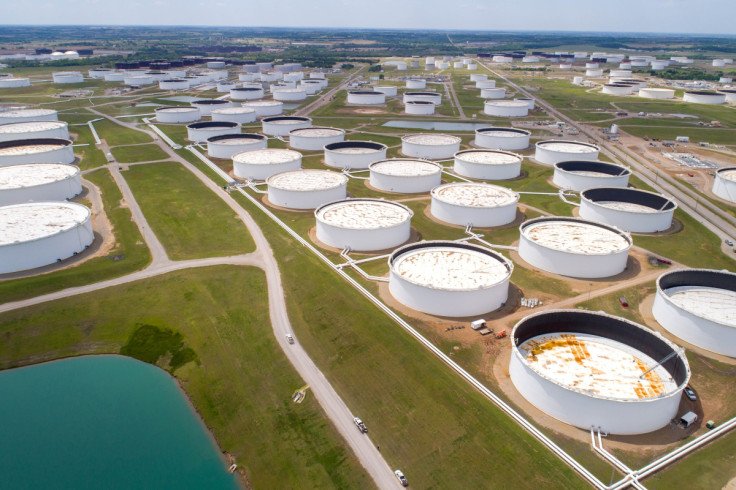
European countries are preparing to release emergency oil reserves after the International Energy Agency (IEA) urged swift action. The move comes as energy prices climbed following disruptions linked to the escalating conflict involving Iran.
According to CGTN, the agency recommended a record release of oil from emergency stockpiles to stabilise markets and prevent a sudden spike in global fuel prices.
International Energy Agency Executive Director Fatih Birol said the organisation's 32 member nations had unanimously agreed to make about 400 million barrels of oil available to the market.
The release would be among the largest coordinated draws from emergency reserves ever attempted in history. The goal is simple, which is to put more supply into the market before panic buying and speculation send prices even higher.
European leaders remember how quickly energy costs spiralled after Russia's invasion of Ukraine in 2022. That shock pushed inflation across the continent to levels not seen in decades. This time, officials want to move faster.
Strait of Hormuz Tensions Send Shockwaves
The urgency is driven by rising fears around the Strait of Hormuz. The narrow waterway carries a huge share of the world's oil and gas shipments.
The conflict in the Middle East has effectively disrupted traffic through the strait, raising concerns about supply interruptions that could ripple through global energy markets, as CNBC reported.
The route is significant not only for oil but also for gas and food shipments. Even the possibility of disruption is enough to push prices higher.
For Europe, the risk goes beyond fuel costs alone. Higher energy prices quickly filter into transport, manufacturing and food costs. That chain reaction helped drive the last inflation crisis.
Households across Europe still remember the pain of soaring heating bills and rising grocery prices. Governments are keen to avoid a repeat of that shock.
Europe Faces Inflation Fears Again
Energy prices sit at the centre of Europe's economic stability. When they climb sharply, inflation often follows.
Analysts warn that another spike could force interest rates higher and slow economic growth across the region.
Central banks spent years battling inflation after the Ukraine war disrupted gas supplies from Russia. Only recently had that pressure begun to ease.
Now, policymakers are watching energy markets closely once again.
If oil and gas prices surge again, the pressure could return quickly. That risk helps explain why the emergency oil release has been pushed forward so rapidly.
Why Europe May Be Better Prepared This Time
Despite the concerns, experts say Europe is not as vulnerable as it was during the 2022 crisis.
Research from ING suggests the region has built stronger defences against another gas shock. Storage levels are higher and supply sources have become more diverse.
According to the study, European countries have expanded liquefied natural gas imports and reduced their reliance on Russian pipelines. Governments have also invested heavily in energy efficiency and alternative supply routes.
These steps may not eliminate price swings entirely. They could, however, soften the impact. Energy demand has also eased because of efficiency measures and slower industrial activity.
In simple terms, Europe has more options now than it did four years ago.
A Test for Europe's Energy Strategy
The coming weeks may show whether Europe's energy strategy can withstand another geopolitical storm.
The planned oil release is designed to buy time and reassure markets that supply will not suddenly disappear. Officials hope quick action will stop fear from turning into a wider and full economic shock.
Still, memories of the last energy crisis linger across the continent. EU governments know how quickly energy turmoil can spread through the wider economy.
Europe may be better prepared this time. Yet the war driven uncertainty hanging over global energy markets is a blatant reminder that stability can vanish almost overnight.
© Copyright IBTimes 2026. All rights reserved.
- MOST POPULAR IN National