10 Photos of Jake Paul: YouTube Star Turned Boxer Who Sparks Outrage and Sells Everything
Despite defeat in the ring, the influencer turned boxer remains one of sport's most disruptive figures

Jake Paul has lost fights, broken bones and divided opinion, but he has never lost attention. Even after a brutal knockout defeat to Anthony Joshua, the American influencer turned boxer continues to dominate headlines across sport and business.
Loved by fans, dismissed by critics and doubted by purists, Paul's journey explains why outrage follows him almost as closely as success.
From Viral Fame to a Global Brand
Born on January 17, 1997, Jake Paul first found fame on Vine before building a massive following on YouTube, where he now has more than 20 million subscribers. His loud humour and controversial behaviour made him a lightning rod for criticism, a reputation that followed him during his time on the Disney Channel series 'Bizaardvark', which ended in 2018 amid public backlash.
Yet Paul turned notoriety into leverage. He reinvented himself as an entrepreneur, co founding ventures such as the sports media and betting company Betr, the investment firm Anti Fund, and Most Valuable Promotions. These moves positioned him not just as a content creator but as a business operator with real influence in modern sport.
Paul turned professional as a boxer in January 2020, a decision that immediately sparked anger among traditional fans. Critics accused him of chasing fame fights, but Paul kept winning and kept selling events. He faced fellow influencers, former MMA fighters and established names, steadily improving while drawing massive audiences.
By December 2025, his professional record stood at 12 wins and two losses, with seven knockouts. His fights became cultural events, often criticised for mismatches in weight or experience. The bout against Anthony Joshua drew especially fierce debate, with many questioning whether such a contest should have been sanctioned at all.
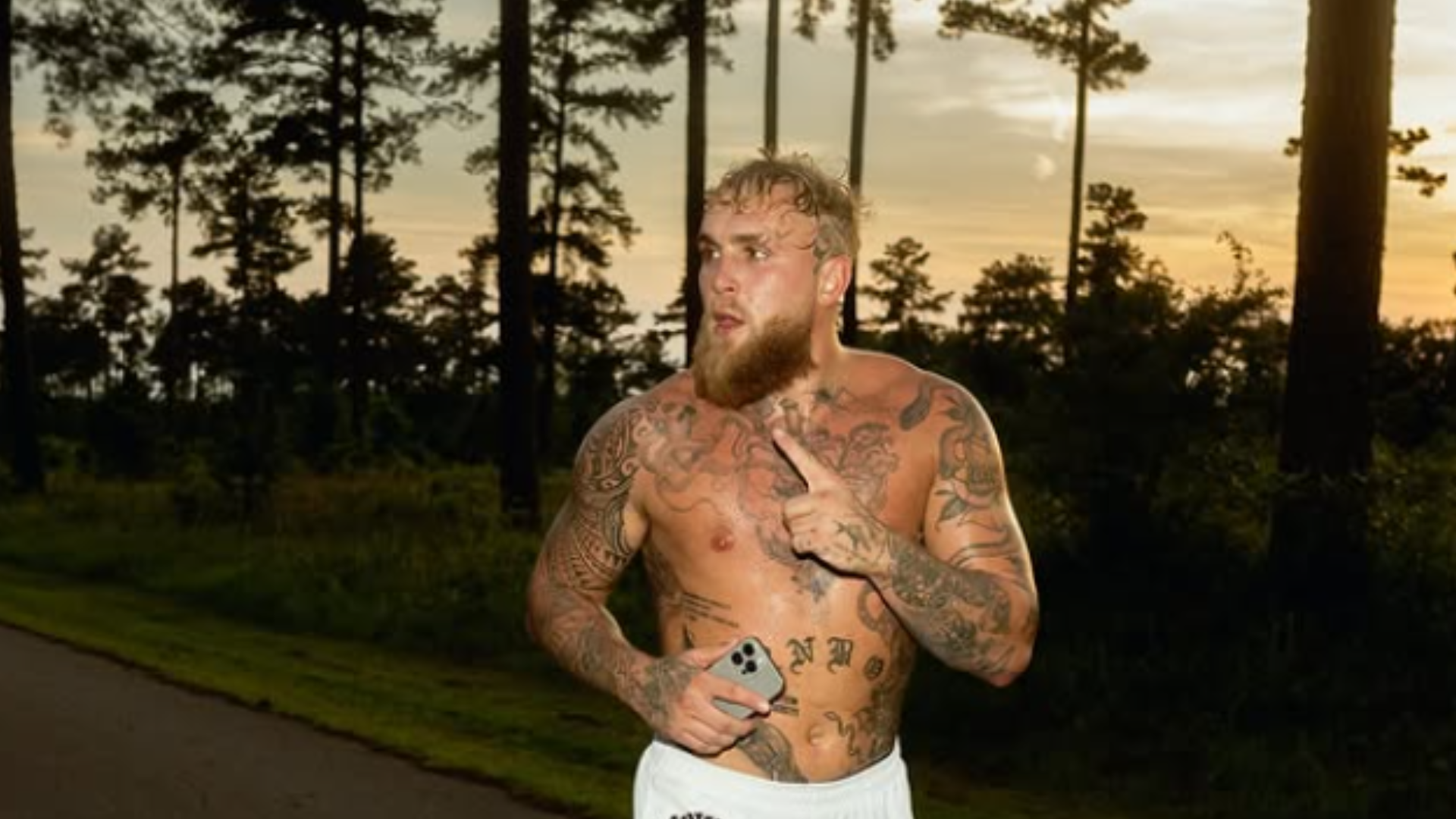
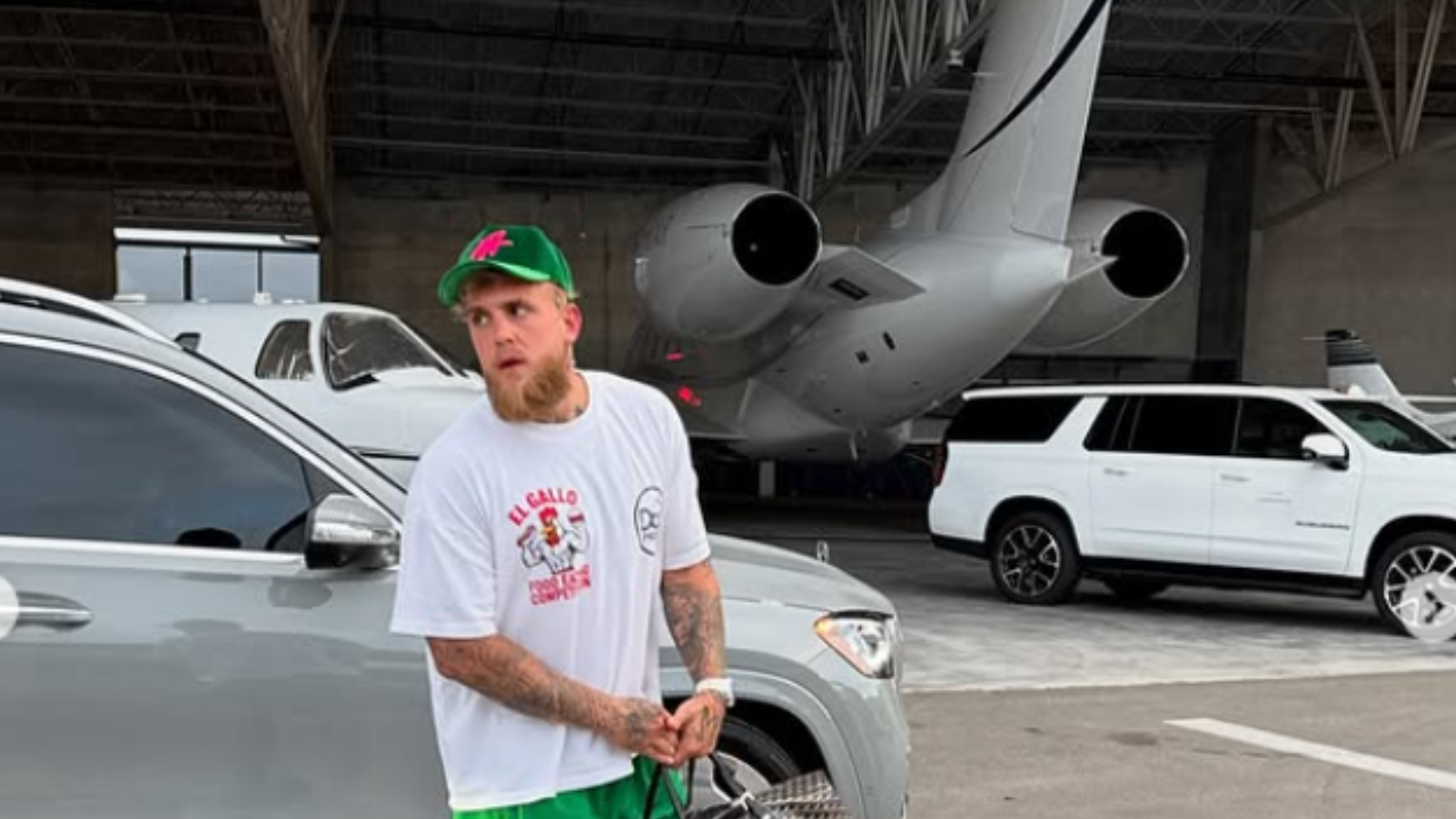
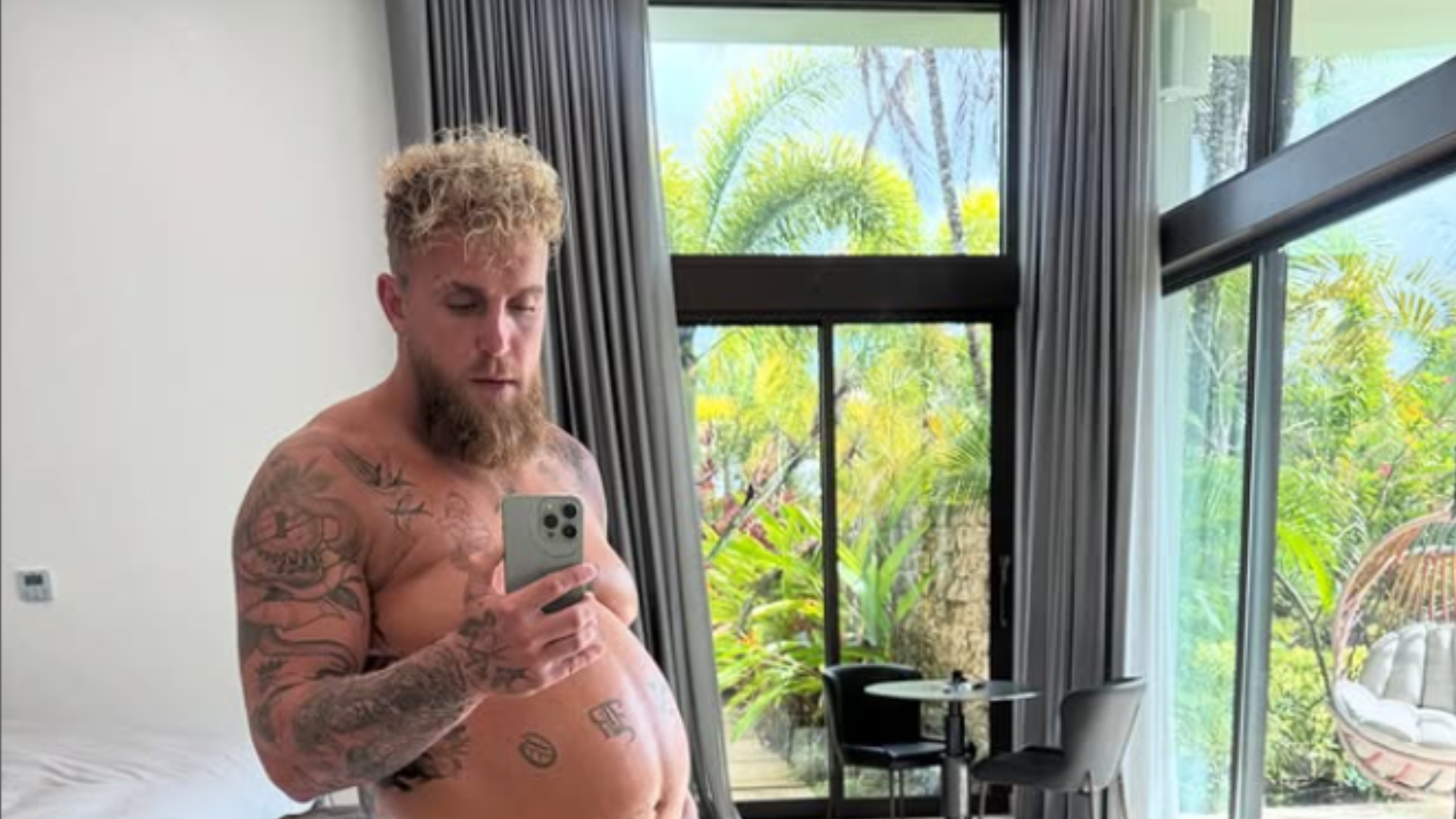
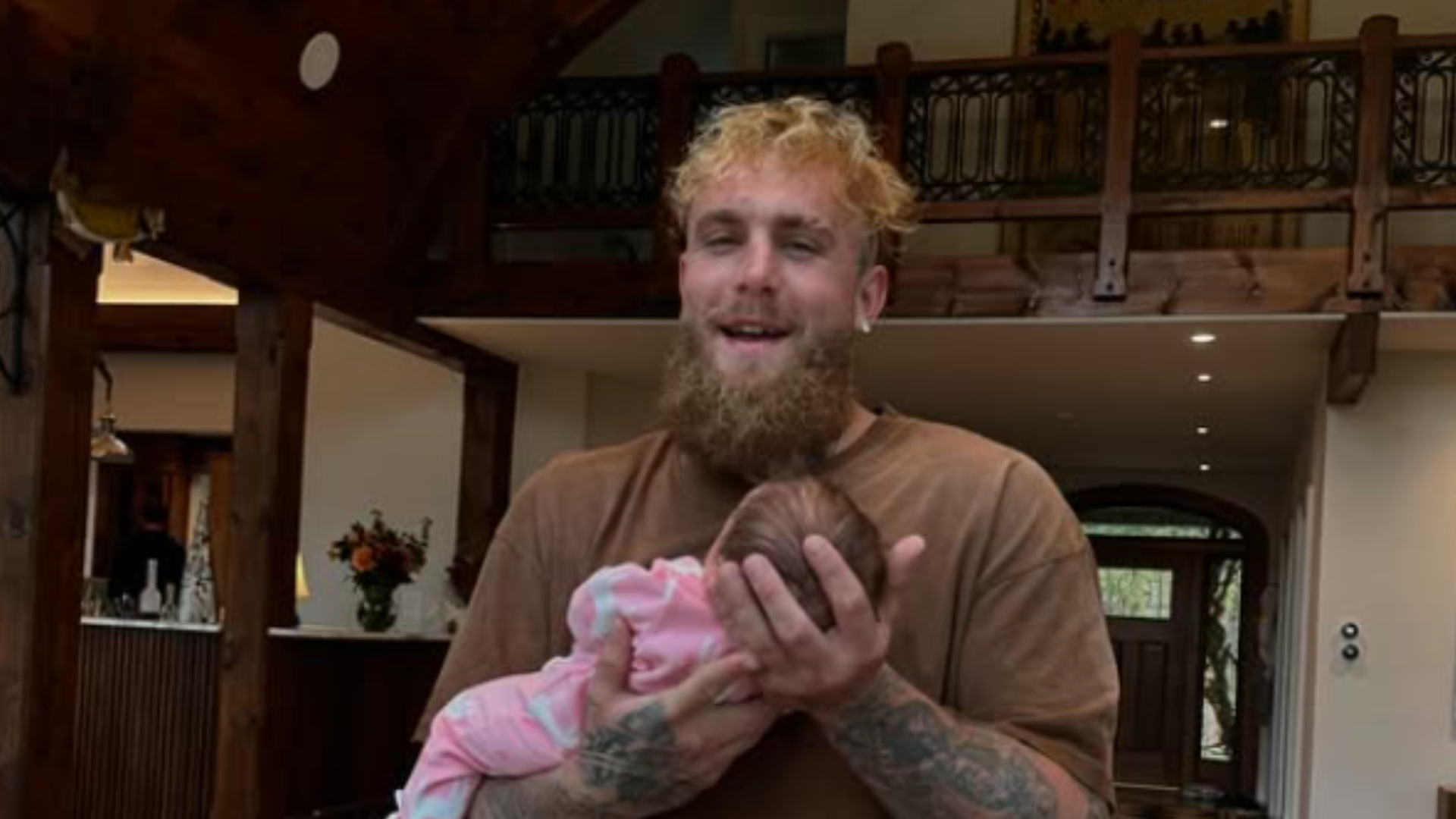
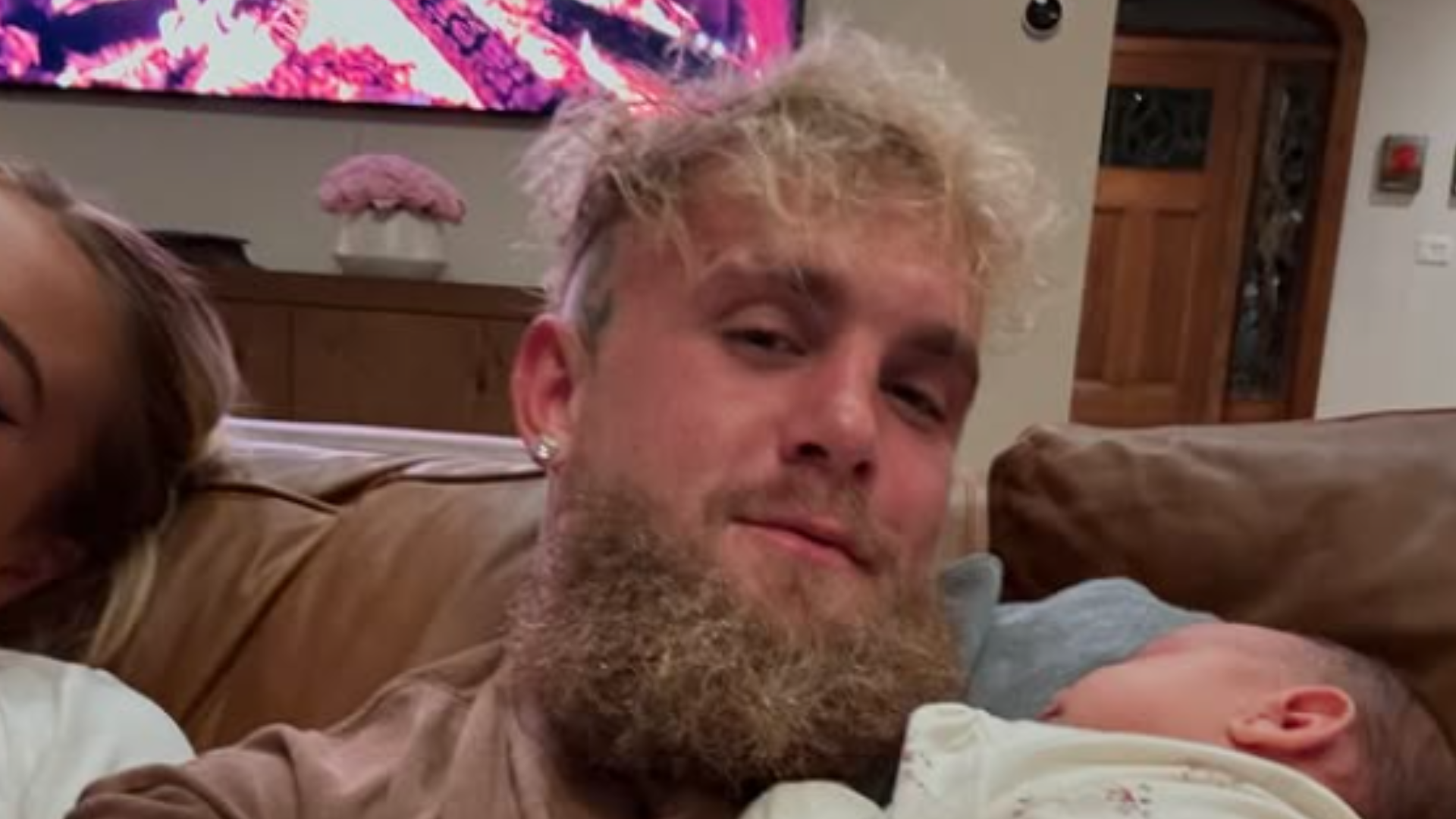
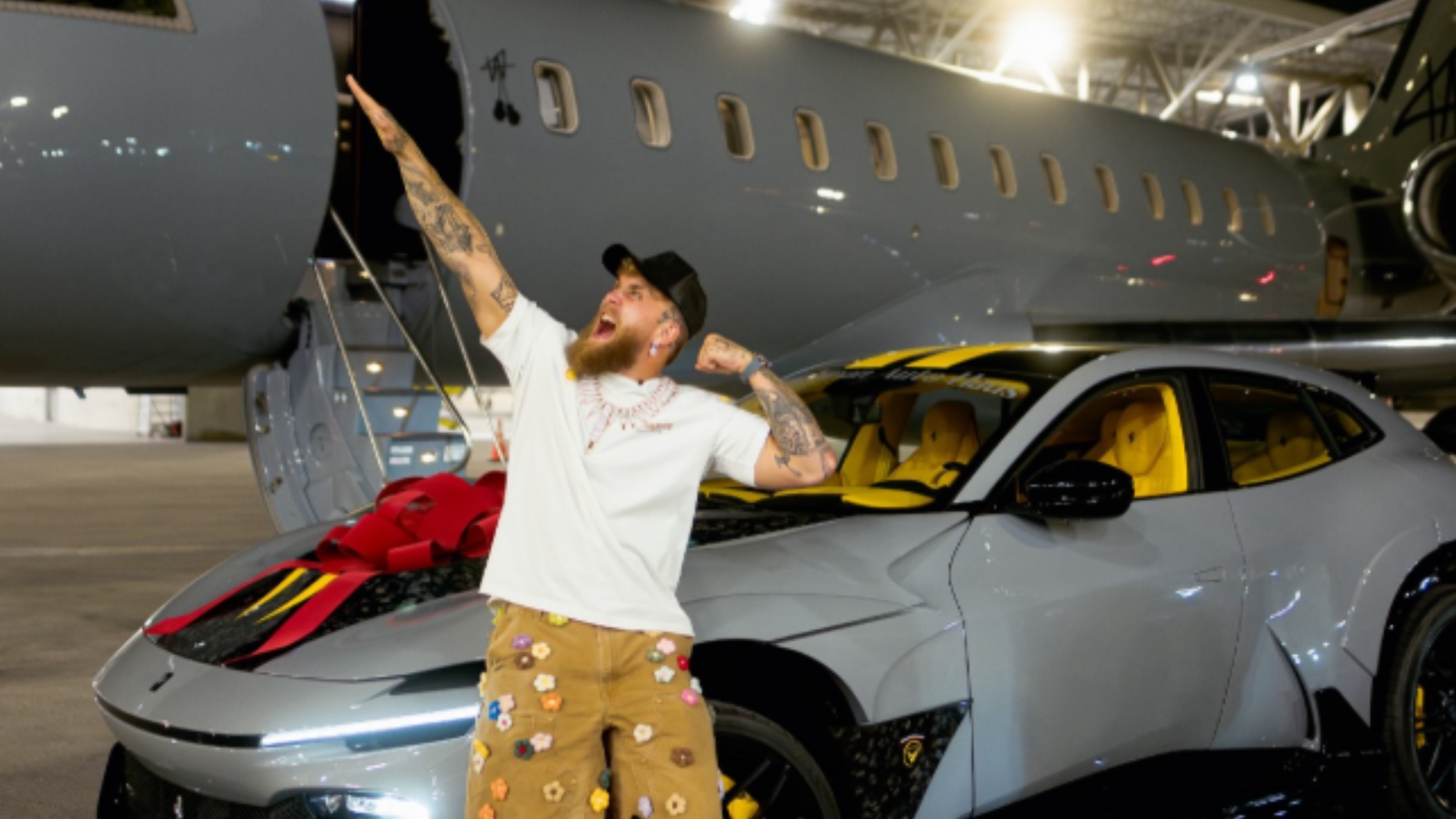
The Joshua Fight and the Brutal Reality Check
Paul entered the heavyweight clash with Joshua as a clear underdog. He relied on speed and movement to avoid the Briton's power, circling and clinching as Joshua stalked forward. The strategy delayed the inevitable but could not prevent it.
Joshua dropped Paul repeatedly before stopping him in the sixth round. Paul later confirmed his jaw had been broken in two places, requiring surgery that included titanium plates and the removal of teeth. 'Surgery went well,' Paul wrote online, adding that he would be on liquids for a week.
According to MMA Weekly, former UFC champion Daniel Cormier dismissed any suggestion of an upset. 'There was never a world in which Jake Paul was going to beat Anthony Joshua,' Cormier said. He added that while Joshua represented boxing's establishment, Paul is now 'more boxer than YouTuber'.
ESPN noted that despite the heavy defeat, reports of Paul's decline were overstated. He was outclassed and knocked out, but he stepped into the ring with a former unified heavyweight champion, something few expected from a social media star just years ago.
Why Paul Still Shapes Sport and Business
After the fight, Paul said he would take time off to heal and refocus. 'We will heal the broken jaw, come back and fight people my weight,' he said, adding that his goal remains a cruiserweight world title. He admitted he has been 'going hard for six years' and plans a short break from boxing.
This response captures why Paul continues to spark outrage while dominating conversations. He loses, yet remains relevant. He is criticised, yet keeps building businesses and selling fights. For supporters, he is proof that boxing must adapt to a new audience. For critics, he symbolises everything wrong with modern sport.
Jake Paul may not have beaten Anthony Joshua, but he did something else entirely. He stayed central to the story, kept his brand alive, and reminded the sporting world that influence now stretches far beyond the ring. That, more than any win or loss, explains why he continues to dominate sport and business, and why the outrage is not fading any time soon.
© Copyright IBTimes 2026. All rights reserved.
- MOST POPULAR IN Sports