

Australian Open 2026: Melbourne heatwave turns Alcaraz, De Minaur matches brutal
Blistering temperatures push players and organisers to the edge as Melbourne bakes
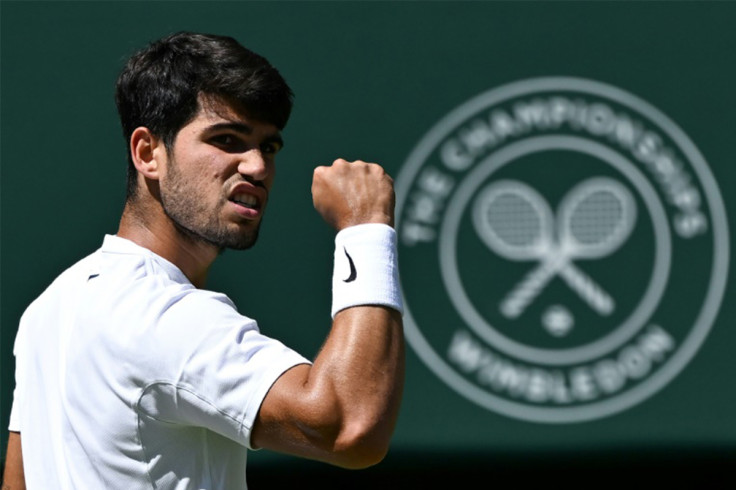
A blistering Melbourne heatwave has turned the Australian Open 2026 into a test of endurance, pushing players such as Carlos Alcaraz and Australia's Alex de Minaur to their physical limits and reigniting debate over safety and fairness.
On one of the hottest stretches of the tournament, courtside temperatures surged past comfort levels, forcing extended breaks, altered schedules and rising concern over player welfare.
Matches involving Alcaraz and Minaur have become focal points of the heat debate. Their quarter-final clashes unfolded under oppressive sun, where endurance, recovery and decision-making mattered as much as shot-making. The heat has amplified tension across Melbourne Park, unsettling players and fans alike.
Tournament organisers have leaned heavily on the extreme heat policy, but the relentlessness of the weather has raised questions about fairness, safety and the limits of elite performance at tennis's summer major.
Heat reshapes the Australian Open battlefield
The Australian Open has long tested athletes with its summer scheduling, yet this year's heatwave in Melbourne has pushed boundaries. According to reports from The Guardian, temperatures climbed into the high 30s Celsius, triggering frequent medical checks and longer changeovers as officials sought to manage player strain.
The tournament's extreme heat policy, overseen in consultation with the Bureau of Meteorology, allows for scheduled breaks and roof closures. Still, several players struggled visibly between points, towelling down repeatedly and shortening rallies to conserve energy.
For spectators, the heat has altered the rhythm of play. Points have slowed, errors increased, and momentum swung unpredictably as physical reserves drained faster than usual.
Alcaraz and De Minaur under intense scrutiny
Few matches have drawn more attention than the Melbourne showdown between Carlos Alcaraz and Alex de Minaur. De Minaur, carrying home expectations, faced not only the Spaniard's relentless pace but the toll of competing in brutal daytime heat.
Organisers opened gates earlier to help fans cope with the conditions, while players adapted with ice vests, electrolyte-heavy hydration and shortened warm-ups, The Age noted. Alcaraz, known for his explosiveness, visibly moderated his game, picking moments carefully rather than chasing every ball.
For De Minaur, the heat magnified pressure. Each extended rally tested stamina, turning the contest into a survival exercise rather than a pure exhibition of skill.
Rising concern for younger and vulnerable players
American teenager Learner Tien and rising star Ivana Jovic have both competed in taxing conditions, prompting quiet concern among coaches and medical staff about cumulative fatigue.
Player welfare has become a recurring theme of this year's tournament, with several athletes acknowledging that recovery between matches has been compromised, as per BBC News. Younger players, still adapting to five-set demands and extreme climates, face a steep learning curve.
Aryna Sabalenka and Alexander Zverev, seasoned competitors, have also spoken cautiously about managing energy and avoiding heat-related illness as the tournament deepens.
A broader question for tennis's future
As the Australian Open 2026 progresses, the Melbourne heatwave has sparked a broader debate about climate, scheduling and the future of summer tennis. While organisers insist protocols remain effective, the frequency of extreme conditions is challenging long-standing assumptions.
Fox Sports Australia highlighted moments where players sought shade during changeovers, underscoring how environmental stress now rivals competitive pressure. The human cost: physical exhaustion, mental strain and heightened injury risk is increasingly visible.
For now, survival has become part of the tournament. And in Melbourne's searing heat, simply enduring may be the toughest test of all.
© Copyright IBTimes 2026. All rights reserved.