

Bill Clinton Demands FULL Release of Epstein Files: 'Someone or Something is Being Protected'
Bill Clinton demands full Epstein files release, claiming 'someone or something is being protected'.
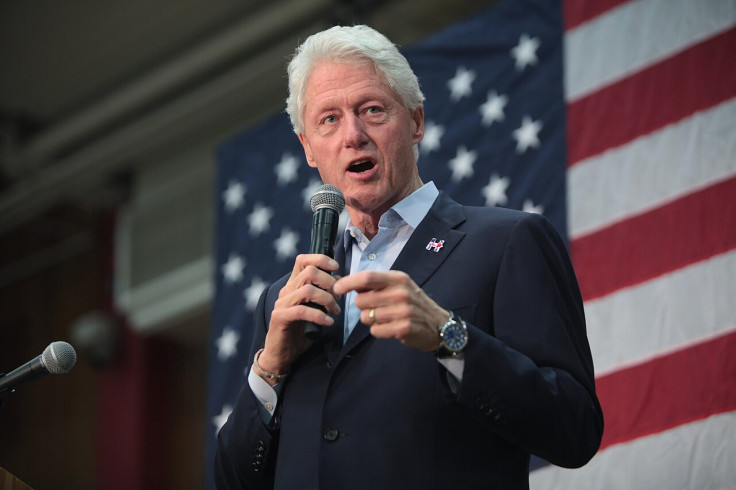
Bill Clinton has sharply criticised the US Justice Department's handling of the Jeffrey Epstein file release, insisting that only a complete and unredacted disclosure will satisfy the public's right to know and victims' demand for justice.
In a statement issued this week, Clinton's office argued that the partial release of files — including heavily redacted records—suggests that 'someone or something is being protected,' a charge that has reignited national debate over transparency and accountability. This demand comes amid controversy over images and documents linked to convicted sex trafficker Jeffrey Epstein and a federal requirement to disclose the full files under a new law.
'Release Everything With My Name On It'
Clinton's demand was delivered through his spokesperson, Angel Ureña, who pressed the Trump administration to release all remaining materials 'referring to, mentioning, or containing a photograph of Bill Clinton.'
The call follows a contentious partial release by the US Department of Justice (DOJ), mandated by the recently passed Epstein Files Transparency Act. The law required extensive documentation related to Epstein's crimes—including investigatory records, interviews, grand jury testimony and photographs—to be made public within a strict deadline. But critics argue the DOJ has failed to comply fully.
A Flawed and Incomplete Release
The initial release included thousands of pages and thousands of images, but the files have drawn sustained criticism for the way they were disclosed. Many files are redacted to the point of illegibility, and some documents appear to have been removed shortly after publication.
One notable example involved a photo initially published that included former President Donald Trump alongside Epstein and others. That image was removed from the DOJ's public database, prompting speculation about selective redaction and accusations of concealment. Officials later restored the image after reviewing it and confirming no victim identities were present.
Victims and Lawmakers Demand More
Epstein survivors have also weighed in, complaining that what has been released so far—even with redactions—reveals disturbing content without context or clarity. Some accusers claim the DOJ's partial rollout may violate legal standards and hinder their ability to pursue justice.
Senate Minority Leader Chuck Schumer has urged the Senate to explore legal action over the DOJ's staggered release, describing it as a 'blatant cover-up' that undermines the intent of the transparency law.
The DOJ's handling of the release has drawn bipartisan fire. Lawmakers like Representatives Ro Khanna and Thomas Massie have warned of legal consequences for failing to release all unclassified records as required. Senate Minority Leader Chuck Schumer has urged the Senate to explore legal action over the DOJ's staggered release, describing it as a 'blatant cover-up' that undermines the intent of the transparency law.
Government Response and Ongoing Debate
The Justice Department has defended its actions. Deputy Attorney General Todd Blanche said redactions and cautious release protocols are necessary to protect victim identities and comply with court orders. Blanche also insisted there is no political motive behind how files are being disclosed.
Meanwhile, Clinton's push has added pressure on the administration. His comment that withheld information implies someone might be shielded has resonated with critics of the release strategy, especially amid allegations that high‑profile figures are inadequately represented or redacted in the files.
A Battle Over Transparency
The controversy highlights a deeper tension between transparency and legal protections for victims. For survivors, full access to Epstein's files could be crucial for understanding the extent of abuse and pursuing justice. For the government, the challenge remains balancing that transparency with legal obligations to protect sensitive information.
Clinton's demand—that the remaining files be disclosed without undue delay or redaction—forces the US legal system to confront these competing imperatives in a case with profound public interest.
Only time will tell whether the full files will ultimately be made available and whether they will satisfy demands for accountability and truth.
© Copyright IBTimes 2026. All rights reserved.