

Kansas Law Wipes Out 1,700 LGBTQ Driver's Licences — Trans Residents Fight Back With Lawsuits
Two trans Kansans filed a lawsuit that invalidates 1,700 driver's licences and birth certificates
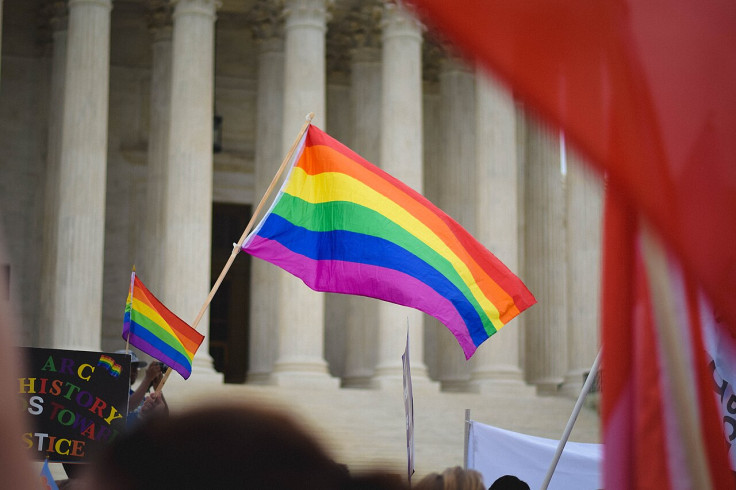
A controversial new Kansas law that retroactively invalidates state-issued identification for transgender residents remains in effect following a ruling by a Douglas County District Court judge on 10 March 2026.
The legislation, passed by the Republican-led legislature over Governor Laura Kelly's veto, requires driver's licenses and birth certificates to reflect a person's sex assigned at birth rather than their gender identity.
While the judge declined to pause enforcement, the case highlights the ongoing fight for dignity and rights amid a wave of legislation targeting transgender people across the United States.
Scope and Impact of SB 244
The law, known as Senate Bill 244, took effect on February 26, 2026. Upon enactment, it rendered approximately 1,700 existing driver's licenses invalid, forcing affected residents to surrender their current credentials and obtain new documentation that matches their sex assigned at birth. In addition to ID requirements, the legislation prohibits transgender individuals from using restrooms, locker rooms, and other single-sex private spaces in government-owned or leased buildings that do not align with their biological sex at birth.
The bill establishes a private right of action, allowing individuals to sue if they believe their privacy has been violated by the presence of a transgender person in a single-sex facility. Furthermore, government entities that fail to enforce these restrictions face escalating civil penalties, including a maximum of $125,000 for repeat violations.
Legal Challenges and Court Rulings
The American Civil Liberties Union (ACLU), the ACLU of Kansas, and the law firm Ballard Spahr LLP filed a lawsuit on behalf of two transgender Kansans, identified as Daniel Doe and Matthew Moe, challenging the constitutionality of the law.
The plaintiffs argued that the legislation violates the Kansas Constitution's guarantees of personal autonomy, privacy, equality under the law, due process, and freedom of speech. They requested a temporary restraining order to pause enforcement of the law while the legal challenge proceeds.
On March 10, District Judge McCabria denied the request for a temporary restraining order. In his decision, Judge McCabria wrote that the plaintiffs had not demonstrated that they were experiencing immediate and irreparable harm. Regarding concerns about discrimination, the judge stated, 'The vast majority of Kansans are tolerant, understanding, accepting and generally supportive of each other.'
'Criminal Charges' and Hefty Fines
Kansas's Republican-dominated legislature passed this law over Democratic Governor Laura Kelly's veto. The move comes amid a broader national effort to restrict transgender rights, with Kansas joining states like Arkansas and Tennessee that have enacted similar measures.
The law also enforces hefty penalties for public agencies, schools, and even private citizens who do not comply. Fines can reach up to £125,000, and individuals who use 'the wrong' bathroom face criminal charges.
Kansas's Supreme Court previously recognised a right to bodily autonomy in 2019, a decision that protected abortion rights. Now, opponents argue, this new law directly conflicts with those protections.
The lawsuit asserts that the law violates constitutional principles and due process rights, especially since it targets individuals based solely on their gender identity.
Wichita Republican and House Speaker Dan Hawkins said, 'Kansans expect clarity, not confusion. They expect leadership, not surrender to radical activists.'
'The Legal Fight Is Intense'
District Judge McCabria recently declined to halt enforcement of the law, citing insufficient evidence that it would cause immediate harm. The judge expressed confidence in the tolerance of Kansans, suggesting most are understanding and accepting of transgender people.
'In hearing the arguments of each side, the Court is struck by a basic assumption each side makes about the other — that our 'lesser angels' drive our choices,' McCabria said.
'Yet, the very paucity of actual examples that either side has put forward in any of the arguments suggests the opposite — that the vast majority of Kansans are tolerant, understanding, accepting and generally supportive of each other and that the vast majority of transgender persons have experienced this as Kansans.'
However, this ruling has not stopped the lawsuits or the anxiety among transgender residents.
The two men who sued are seeking to block the law entirely. Their lawyers argue that the law infringes on fundamental rights and is based on flawed assumptions. They highlight the harm caused by the law's enforcement, noting that it already impacts everyday life, affecting employment, education, and safety.
The lawsuit also raises questions about the legislative process, claiming the bill was rushed through without proper debate or consideration.
In response to the law, advocacy groups like Trans Liberty launched 'Operation Lifeboat,' offering help to transgender Kansans needing to leave the state or cope with the fallout. The organisation provides resources for transportation, legal support, and temporary housing.
© Copyright IBTimes 2026. All rights reserved.
- MOST POPULAR IN Politics


