Trump Criticizes Spain as 'Very Bad' to NATO, Threatens Trade Embargo: Potential Impact on Jobs, Prices and Supplies
Spain's government rejects the US-Israeli offensive as reckless, blocks US aircraft, and affirms its commitment to dialogue and international law
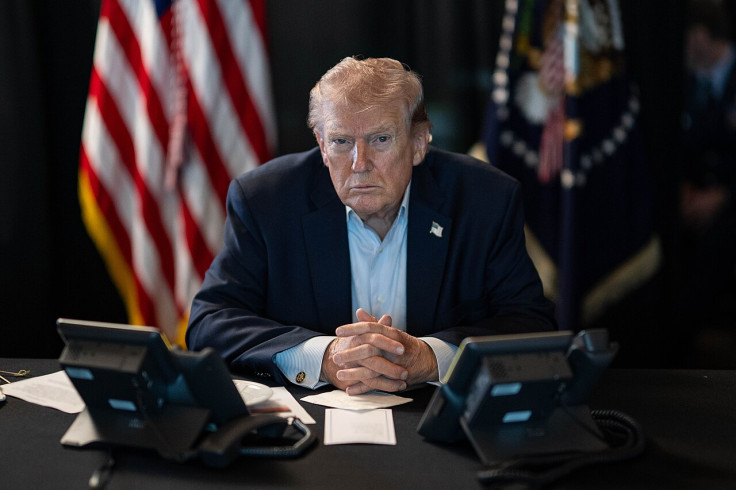
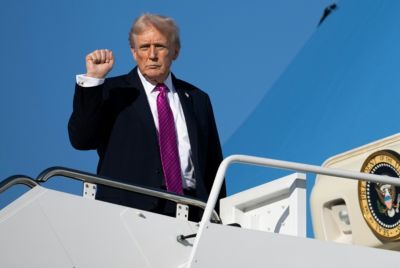
US President Donald Trump has sharply criticised Spain, describing the country as 'very bad' to NATO and warning that the United States may impose a full trade embargo. The remarks follow Madrid's refusal to allow US aircraft to use jointly operated bases in southern Spain for strikes against Iran as part of the US-Israeli military campaign.
Trump told reporters on Wednesday that 'I think they have been very bad, very bad, not good at all. We may cut off trade with Spain.' The president also criticised Spain for not meeting NATO's new defence spending target of five per cent, despite benefiting from the alliance's collective protection.
The comments highlight growing tensions between Washington and Madrid over military cooperation and international security, raising questions about the potential economic and social consequences of a trade embargo.
Spain's Response and Diplomatic Context
Spain's leftist government, led by Prime Minister Pedro Sanchez, has rejected the US-Israeli military offensive as 'reckless and illegal'. The government barred US aircraft from using Spanish bases for operations targeting Tehran, marking a firm stance against the military campaign.
Spanish Foreign Minister Jose Manuel Albares responded to Trump's comments, stating that bilateral relations 'remain operating normally' and that embassies in both countries continue to maintain regular diplomatic contacts. Albares emphasised that Spain remains committed to dialogue and international law.
Spain has historically been an active member of NATO, but tensions over defence spending and strategic decisions have occasionally strained relations with Washington. Trump's criticism reflects ongoing disagreements regarding NATO contributions and military cooperation in the Middle East.
Potential Economic Impact of a Trade Embargo
A full US trade embargo on Spain could have significant economic implications for both countries. Spain exports a range of goods to the United States, including automobiles, wine, and agricultural products, while the US supplies machinery, pharmaceuticals, and technology products.
Industry analysts warn that restrictions on trade could disrupt supply chains, lead to price increases for consumers, and potentially result in job losses in key sectors. Companies relying on transatlantic imports and exports could face delays and financial uncertainty, affecting businesses and households alike.
Trade embargoes historically have wide-reaching effects on both economies. While Spain might face immediate export losses, US businesses dependent on Spanish goods could experience shortages and higher costs, particularly in manufacturing and technology sectors.
NATO and European Diplomatic Implications
Trump's threat also raises broader questions about NATO cohesion and EU relations. Spain's opposition to the Iran campaign could strain alliances with other NATO members and complicate defence coordination.
Experts note that maintaining regular diplomatic communication is crucial to prevent escalation and preserve alliance stability. While Madrid has maintained dialogue with Washington, the trade threat underscores the potential for political and economic tensions within NATO.
Human and Social Consequences
A trade embargo could directly affect consumers and workers. Price increases on imported goods, potential shortages of key products, and disruptions in supply chains could impact daily life in both countries.
Businesses with operations in Spain or the United States could face uncertainty in production and logistics, potentially affecting employment levels and consumer confidence. Citizens may experience higher costs for everyday products ranging from food and clothing to electronics and vehicles.
© Copyright IBTimes 2026. All rights reserved.
- MOST POPULAR IN Politics