The Payment Trends Shaping the Future of UK Businesses
Why speed, security, and flexibility are redefining how UK businesses get paid in a digital-first economy.
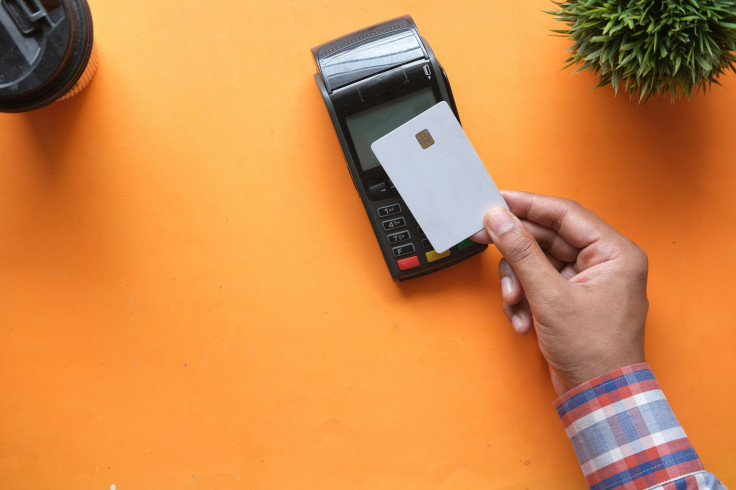
In the rapidly evolving digital economy, payment trends are transforming how UK businesses handle transactions. With consumers expecting greater convenience, security, and speed, UK businesses must adapt to these changes in order to stay competitive. From mobile wallets to instant payments, businesses are being pushed to embrace new payment methods that meet the expectations of modern consumers.
Increased Focus on Payment Security
With the rise of online transactions, security is more important than ever. Payment fraud continues to be a concern for businesses and consumers alike, leading to an increased demand for secure payment methods. As a result, UK businesses are turning to more advanced security technologies to protect sensitive customer data.
The implementation of 3D Secure 2 (3DS2), biometric authentication, and tokenisation is helping to improve security in payment processing. These technologies add layers of protection by ensuring that only authorised users can complete a transaction. As consumers become more aware of data security risks, offering robust protection measures can help businesses build trust and loyalty with their customers.
The Growing Importance of Payment Speed
The speed of payments is rapidly becoming a crucial factor for UK businesses. As customers increasingly expect near-instantaneous payment processing, businesses must adapt to meet this demand. The ability to send and receive money in real time enhances the customer experience by reducing friction and ensuring smooth, efficient transactions.
For businesses, offering faster payment methods means quicker access to funds, improved cash flow, and a better overall experience for customers. Instant payments help reduce delays in order processing, allowing businesses to fulfil orders and manage operations more efficiently. With customers expecting seamless and swift transactions, offering fast payment options is no longer just a convenience; it's an essential service.
The shift towards contactless payments has also contributed to the growing demand for speed. With consumers able to complete transactions in seconds, businesses benefit from faster checkouts, reducing queues and wait times in-store. Sectors like retail, online casinos, and hospitality are particularly dependent on fast payments. In retail, faster transactions lead to quicker sales, enabling stores to process a higher volume of customers in a shorter time. For online casinos, quick payments are essential to ensure that players can deposit and withdraw funds smoothly, maintaining a seamless gaming experience.
If a player wins, the ability to receive their winnings quickly enhances satisfaction and builds trust with the platform. Because of this, more players are researching which casinos pay out the fastest to find sites that let them access their funds without hassle and often in under an hour. In hospitality, quick payments reduce wait times for customers, ensuring smoother transactions and a more efficient service, especially in fast-paced environments like cafes or food delivery services.
The Shift to Mobile and Digital Wallets
The adoption of mobile wallets and digital payment solutions has surged in recent years, and this trend is set to continue. UK businesses are increasingly adopting mobile payment methods like Apple Pay, Google Pay, and Samsung Pay, allowing customers to pay quickly and securely using their smartphones. The rise of contactless technology has made mobile wallets even more appealing, providing a seamless, tap-and-go experience.
For businesses, accepting mobile wallets not only caters to tech-savvy customers but also enhances customer satisfaction by providing a faster and more convenient payment process. As mobile wallets become even more integrated into the everyday lives of consumers, businesses that fail to adopt these technologies may risk alienating a significant portion of their customer base.
The Rise of Buy Now, Pay Later Services
Buy Now, Pay Later (BNPL) services like Klarna, Afterpay, and Clearpay have quickly gained popularity in the UK. These services allow customers to spread the cost of their purchases over time, making high-ticket items more accessible. BNPL options have particularly resonated with younger consumers who value flexibility and low-interest financial solutions.
For businesses, integrating BNPL options into their payment systems can be a smart move, especially in the retail and e-commerce sectors. Not only does BNPL increase conversion rates by providing an alternative payment method, but it can also help businesses reach new customer demographics. However, it's important for businesses to assess the impact of these services on their revenue streams and ensure that they align with their financial goals.
The Rise of Digital and Cryptocurrencies
While still a relatively small segment of the payment landscape, digital currencies like Bitcoin and Ethereum are gaining traction in the UK. Although adoption rates are still low compared to traditional payment methods, cryptocurrencies offer an alternative payment method that appeals to a growing number of consumers and businesses.
The appeal of cryptocurrencies lies in their decentralised nature, allowing transactions to be processed quickly and with lower fees than traditional financial systems. As the technology behind cryptocurrencies matures, UK businesses may increasingly adopt them as a payment option to cater to customers seeking an alternative to conventional banking methods.
The Growing Popularity of Subscriptions and Recurring Payments
With the rise of subscription-based services in industries ranging from entertainment to food delivery, businesses in the UK are increasingly moving towards recurring payment models. Subscription payments offer businesses a predictable revenue stream and a more stable cash flow.
For consumers, subscriptions provide the convenience of automatic billing for services they use regularly, eliminating the need to remember payment due dates. These services are becoming increasingly popular amongst Brits, with 24% of consumers in the UK saying that they plan to sign up for more subscription services. As subscription services become more ingrained in daily life, businesses must ensure that their payment systems are equipped to handle recurring billing and offer flexible payment options.
The subscription economy also extends to traditional industries, with businesses offering subscription-based models for physical goods like clothing, beauty products, and even groceries. For UK businesses, adopting subscription payment models can provide a competitive edge by catering to a customer base that values convenience and cost predictability.
Conclusion
The payment landscape is evolving rapidly, and UK businesses must stay ahead of the curve to meet changing consumer expectations. From mobile wallets and BNPL services to faster payments and cryptocurrencies, businesses that embrace these trends are better positioned to provide an improved customer experience and drive growth. Payment security, speed, and flexibility will be key factors in shaping the future of payments, and businesses that can offer seamless, secure, and efficient payment options will have a distinct advantage in an increasingly digital world.
© Copyright IBTimes 2025. All rights reserved.
- Recommended For You