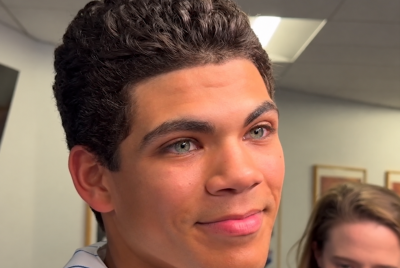
Uini Atonio Forced to Retire After Cardiac Scare, Throwing France's Six Nations Bid Into Crisis
A champion's exit raises urgent questions about health, depth and rugby's physical toll
France and La Rochelle prop Uini Atonio has been forced into retirement following a serious cardiac incident, sending shockwaves through French rugby just months after the national side's 2025 Six Nations title triumph.
While the 35-year-old is now reported to be in stable condition, the abrupt end to his career has unsettled teammates, fans and medical experts alike.
Atonio, one of the most powerful and durable front-row players of his generation, was admitted to intensive care after suffering a cardiac event. Doctors have since confirmed his condition has stabilised, but medical guidance has ruled out a return to professional rugby due to the risks involved.
The timing of his exit has intensified anxiety around France's title defence in the 2026 Six Nations Championships. Beyond tactics and squad depth, his departure highlights the fragile line between elite performance and athlete safety in a sport built on physical collision.
A Career Cut Short by a Medical Emergency
Atonio's retirement follows what officials described as a cardiac issue that required urgent hospital treatment and close monitoring in intensive care. Medical teams later confirmed he was no longer in danger, though continuing his career would carry unacceptable health risks.
The former France international had been a cornerstone of both club and country, earning praise for his durability, scrummaging power and leadership. For many supporters, the announcement feels less like a sporting decision and more like a sobering health intervention, The Washington Post noted.
Rugby authorities have emphasised that his long-term wellbeing remains the priority, reinforcing growing awareness of cardiac screening and player welfare at the elite level.
Fallout for France Ahead of the Six Nations
France's Six Nations ambitions now face some uncertainties. After lifting the 2025 championship, the squad enters the next campaign without one of its most reliable forwards and emotional leaders.
Coaches must quickly restructure the front row, while younger props face pressure to fill a role that took Atonio years to master. Analysts warn that losing his experience could weaken scrum stability, match control and team morale, as per The Independent.
Supporters, meanwhile, have expressed concern that the team's title defence may hinge on untested combinations during a highly competitive tournament.
La Rochelle Left with a Leadership Void
At club level, La Rochelle must also adapt to life without one of its most influential figures. Atonio had been a pillar of the Top 14 side's success, anchoring its forward pack and mentoring emerging talent.
His absence creates a leadership vacuum both on and off the pitch. Club officials are expected to honour his legacy while accelerating plans to rebuild their forward depth, Planet Rugby reported.
The emotional impact extends beyond tactics, as teammates process the sudden end of a career shaped by resilience and loyalty.
Rugby's Growing Health Debate
Atonio's case has reignited debate over player safety in a sport that continues to push physical limits. While rugby has strengthened concussion protocols in recent years, cardiac events remain a stark reminder of less visible medical risks.
Experts argue that more proactive monitoring and post-career health planning could become essential as athletes play longer and at higher intensities. Others caution against fuelling fear, noting that medical interventions have already prevented worse outcomes.
The episode underscores a broader question confronting modern rugby: how to balance spectacle, performance and long-term player welfare.
A Stable Recovery, but an Uncertain Legacy
Despite the career-ending news, reports confirm Atonio is stable and focused on recovery. His future now centres on health, family and life beyond professional sport, according to Yahoo! Sports.
His forced retirement, however, leaves a lasting imprint. For France, it complicates a Six Nations title defence. For La Rochelle, it signals a period of transition. For rugby, it serves as a reminder that even the sport's strongest figures remain vulnerable.
His departure marks not just the end of a career, but a moment of reflection for a game wrestling with its own physical cost.
© Copyright IBTimes 2026. All rights reserved.
- MOST POPULAR IN Sports