

Putin Residence Attack: Russia Claims 90 Ukraine Drones Targeted President
Russia claims Ukraine launched 90 drones at Vladimir Putin's home, while Zelensky warns of a 'false flag' to justify revenge strikes.

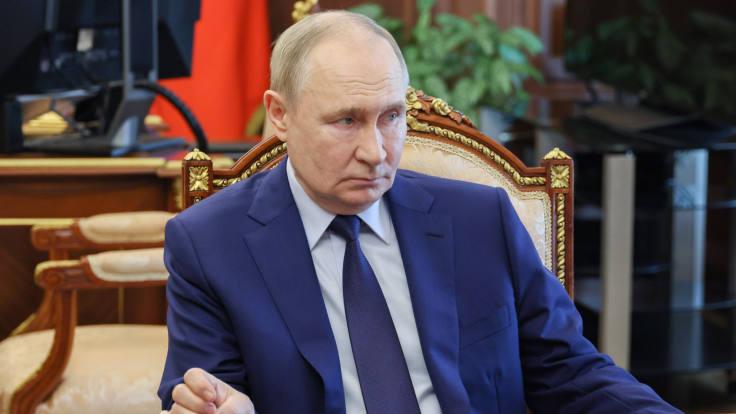
As tensions between Moscow and Kyiv reach a fever pitch following fresh diplomatic overtures, Russia has unleashed a dramatic accusation – claiming Ukraine unleashed a swarm of over 90 drones targeting Vladimir Putin's personal residence in a brazen overnight assault.
The alleged attack marks a dangerous escalation in the brutal proxy war that has ravaged Eastern Europe for nearly four years, arriving just hours after Ukraine's leader met with Donald Trump at Mar-a-Lago in what could prove a watershed moment for peace negotiations.
Russia Claims Ukraine Drone Attack On Putin Residence Sparks Denial
Moscow's assertion came through Foreign Minister Sergey Lavrov on Monday, who insisted every drone was intercepted before reaching its intended target. Yet Ukrainian President Volodymyr Zelensky swiftly rejected the Kremlin narrative, characterising the claim as a fabrication designed to justify imminent retaliation against Kyiv.
'This is disinformation,' Zelensky shot back, sensing a dangerous pretext being constructed.
The timing cuts to the heart of geopolitical brinkmanship. Just 24 hours prior, Zelensky had sat down with President Trump at his Mar-a-Lago residence in Florida – a meeting laden with symbolic weight given incoming diplomatic pressure to end the conflict. That encounter clearly rattled Moscow's cage.
Lavrov's statement pivoted swiftly from the alleged drone strike to issuing a veiled threat: Russia would now 'review its negotiating position' in ongoing talks aimed at halting the invasion that has already displaced millions and claimed untold lives.
The Kremlin's residence in question sits within the Novgorod region, tucked in northwestern Russia roughly equidistant between Moscow and St. Petersburg – deep inside Russian territory, yet within striking range of Ukrainian air capabilities that have grown increasingly sophisticated throughout the conflict.
Critical questions linger unanswered. Was Putin actually present during the purported attack? Initial reports offered no clarity, leaving observers guessing whether the Kremlin leader had taken shelter elsewhere or simply wasn't in residence.
No immediate casualties or infrastructure damage was reported, though Moscow's claims of complete air defence success merit scepticism given documented Ukrainian successes against Russian targets in recent months.
Putin Residence Attack Allegations Coincide With Trump Diplomacy Push
For ordinary Ukrainians and Russians alike, this cycle feels grimly familiar. Accusations volley across the border, each side claiming moral high ground whilst civilian populations endure the grinding consequences of perpetual conflict. Families separated by frontlines watch news cycles obsess over military claims and counter-claims, whilst basic services collapse in war-torn cities.
Zelensky's reading of events appears strategic: by immediately denying the attack, he signals that Ukraine won't be baited into reactive violence that could torpedo fledgling peace talks.
The visit to Trump – historically ambivalent about indefinite US support for Ukraine – represented a chance to reset perceptions and potentially unlock American backing for a settlement that protects Ukrainian sovereignty.
Moscow's pivot toward reconsidering negotiations suggests the Kremlin senses shifting ground. Trump has hinted at accelerating an end to the conflict, raising concerns in Kyiv that any deal might sacrifice Ukrainian territory or security guarantees.
By claiming provocation, Lavrov appears to be laying psychological groundwork for hardline demands in any future talks – essentially saying, 'Look what Ukraine's capable of; we need iron-clad assurances.'
Across both nations, citizens brace for what comes next. The dance of allegation and denial, threat and counter-threat, continues unabated. Whether this moment catalyses genuine negotiation or spirals into fresh bloodshed remains terrifyingly unclear.
For now, the claimed attack stands as unverified, its true significance lying less in military fact than in the geopolitical messaging it represents – a signal that Moscow will not yield ground gracefully as international attention focuses anew on ending a war that has already devoured nearly four years of conflict.
THIS IS A DEVELOPING STORY. STAY TUNED FOR UPDATES!
© Copyright IBTimes 2026. All rights reserved.
- MOST POPULAR IN Politics


