

2026 Doomsday Clock Reveal: Why Experts Fear We Are Closer To Midnight Than Ever
Experts fear 2026 Doomsday Clock reveal will signal unprecedented global danger.

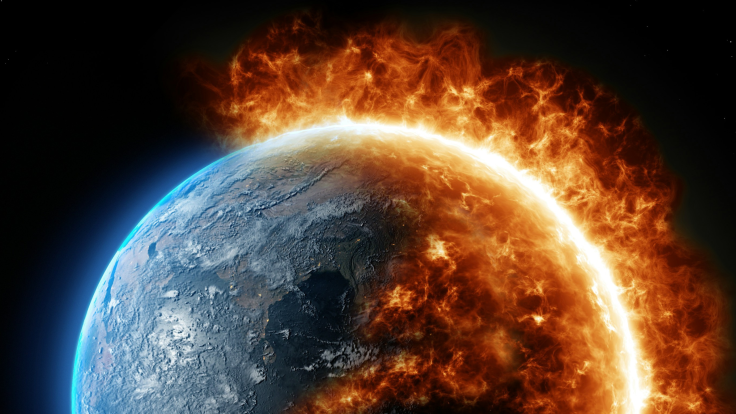
As the world looks toward 2026, a chilling question hangs over the international community: just how close are we to the end?
On 27 January, the Bulletin of the Atomic Scientists will answer that question when they unveil the latest setting of the Doomsday Clock.
For nearly eight decades, this metaphorical timepiece has served as the world's most stark warning system, and experts now fear that the hands are poised to move closer to midnight than ever before in human history.
The reveal, scheduled for 10:00 am ET (1500 GMT), will be broadcast live from Washington via the Bulletin's YouTube channel. This annual ritual is not merely for show; it is the culmination of months of deliberation by the Science and Security Board.
This elite group of experts, working alongside a Board of Sponsors that includes eight Nobel Laureates, weighs the existential risks posed by nuclear weapons, climate change, and disruptive technologies. In 2025, the Clock reached a terrifying 89 seconds to midnight.
As we approach the 2026 announcement, the 'corrosive' atmosphere of global politics suggests that even this record-breaking setting may be surpassed.
The Nuclear Precipice: Arms Races and Expiring Treaties
The primary driver of this mounting anxiety is the crumbling infrastructure of global arms control. The New START treaty, the final remaining pillar of nuclear stability between the United States and Russia, is currently set to expire in early February 2026.
While recent reports suggest a potential one-year extension might be on the table, neither Washington nor Moscow has committed to a long-term replacement. This diplomatic vacuum has sparked a frantic, unregulated arms race. Both superpowers are currently pouring billions into modernising their 'nuclear triads', including new warheads, stealth bombers, and submarines.
China is also transforming the strategic balance by swiftly expanding its own arsenal. Analysts project that Beijing will equal the intercontinental ballistic missile counts of the US or Russia by the turn of the decade.
Meanwhile, the UK has increased its own warhead limit, and North Korea remains doggedly committed to its missile programme. This global buildup has created a volatile environment where a single miscalculation could lead to catastrophe.
Hotspots and Hacking: The New Frontiers of Catastrophe
The human consequences of these tensions are already being felt in global hotspots. In 2025, the geopolitical landscape shifted dramatically when the United States authorised surgical strikes on Iranian nuclear facilities under Operation Midnight Hammer.
While the Pentagon claims the move set Iran's nuclear programme back by two years, the strikes also shattered diplomatic trust. Many traditional American allies now question the reliability of the US 'nuclear umbrella', potentially encouraging nations like South Korea, Japan, and Saudi Arabia to pursue their own nuclear deterrents.
Beyond traditional warfare, the rise of artificial intelligence and cyber-vulnerability has added a new, unpredictable layer of risk. Specialists warn that AI could make weapons 'autonomous', drastically reducing the time world leaders have to make life-or-death decisions during a crisis.
In early 2026, hackers allegedly targeted critical infrastructure in several major cities, shutting down hospitals and transport networks. As military objectives extend into space and missiles become faster and more agile, the margin for error has effectively vanished.
© Copyright IBTimes 2026. All rights reserved.