Japanese Zoo Clarifies Punch the Monkey Isn't Being Bullied, He's Being 'Disciplined' by High-Ranking Macaques
Zoo insists Punch is not being bullied and is only facing 'discipline' from high-ranking macaques.
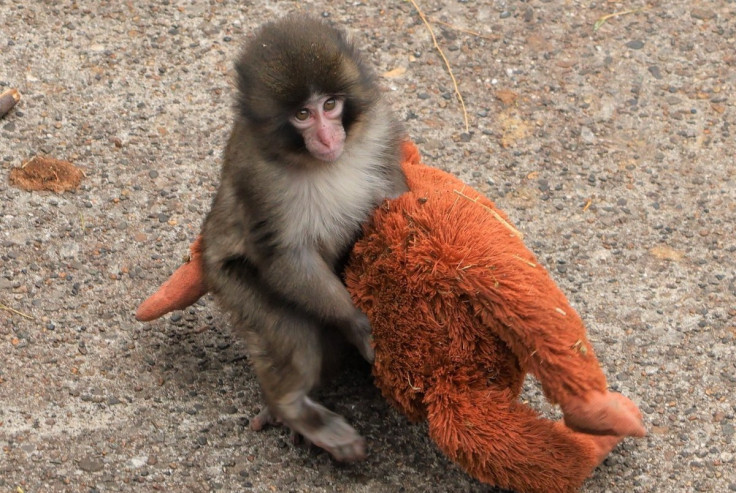
Videos of Punch, a young Japanese macaque, holding a stuffed orangutan toy have captured the hearts of people around the world. But the attention has stirred claims that he is being bullied by other monkeys.
Ichikawa City Zoo in Japan has now clarified that Punch is not at risk.
According to E! Online, the park explained that what viewers are seeing is part of the species' natural social structure, where dominant macaques 'discipline' subordinates to maintain order.
Daily checks by veterinarians ensure Punch is healthy, and the zoo has taken steps to manage any unusually aggressive individuals, keeping the monkey integrated within his troop.
Understanding Macaque Hierarchy and 'Discipline'
Japanese macaques live in tightly organised social groups, with higher-ranking members guiding the behaviour of those lower in the hierarchy.
The zoo explained that these interactions, which may appear harsh to human eyes, are part of normal group dynamics. 'Dominant individuals show 'disciplining actions' toward their subordinates,' the park said, emphasising that these behaviours are not constant and do not threaten Punch's survival.
For a young macaque like Punch, these interactions are a normal part of learning and growing within the group. While the discipline can appear stern to human eyes, it rarely escalates into dangerous aggression. Observations from primatologists show that subordinate monkeys often accept correction and quickly resume play or grooming activities, which reinforces group cohesion.
While the videos showing Punch clutching his toy may look like signs of distress, the zoo notes that he spends most of his day engaging peacefully with the troop. Besides, there are attentive veterinarians and staff who ensure any behaviour outside typical norms is addressed promptly. This keeps Punch safe while allowing him to benefit from these social lessons.
Staff have observed an increase in social interactions between Punch and other monkeys, indicating he is becoming more integrated rather than isolated.
Zoo Monitoring and Interventions
In response to public concern, Ichikawa City Zoo has been transparent about its monitoring practices. Three veterinarians check on the animals daily, ensuring that any aggressive behaviour is addressed swiftly.
Recently, a few high-ranking macaques displayed aggression more frequently than usual, prompting the zoo to temporarily remove them from the group.
This step is designed to protect Punch while allowing him to maintain his place in the troop.
The zoo explicitly rejected the idea that these measures are staged for sympathy or publicity. 'Punch has become accustomed to living in this troop, so separating him now would create the risk that he would never be able to return,' the organisation stated.
Why Punch is Attached to His Stuffed Toy
Punch's fondness for a plush orangutan has attracted a lot of attention online. The zoo explained that the toy helped him feel safe after being abandoned by his mother.
Now that Punch is forming friendships with other monkeys, he plays with the toy less. This doesn't mean he is unhappy—it is just helping him adjust as he learns how to interact with the troop.
People often read human emotions into animal behaviour, but much of what Punch does is normal for a macaque. The combination of natural social discipline from higher-ranking monkeys, careful monitoring by the zookeepers, and the comfort provided by his toy shows that he is doing well. It's far from the simple idea that he is being bullied.
The Ichikawa City Zoo continues to watch Punch closely, letting him grow and learn within the troop.
© Copyright IBTimes 2026. All rights reserved.
- MOST POPULAR IN World