Hegseth Reportedly Spent £73B In Weeks On Lobster, King Crabs, Steak, And A £77K Piano For Air Force Chief's Home
Inside the Pentagon's Record-Breaking $93 Billion Month: Extravagant Purchases Unveiled

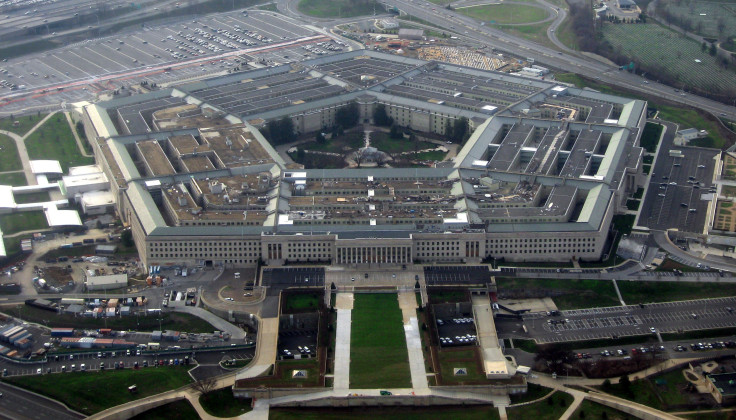
The US Department of Defence burned through £73.8 billion ($93.4 billion) in grants and contracts in September 2025 alone; the highest single-month military spend since at least 2008, and a figure that included millions in seafood, a concert-grade grand piano, and premium Herman Miller office chairs.
The findings come from a 9 March 2026 analysis by Open the Books, a nonpartisan government watchdog that has tracked Pentagon spending for nearly a decade. The report, first obtained exclusively by the Daily Caller News Foundation, draws entirely on publicly available federal contracts data. The driver is a structural budget rule, known as 'use-it-or-lose-it,' that forces all federal agencies to exhaust their entire annual budget by 30 September or forfeit the remainder, potentially facing reduced allocations the following year.
The rule is not new, and it has produced similar end-of-year spending spikes under every administration since at least 2008. What was new in 2025 was the scale: no federal agency has ever spent that much on grants and contracts in a single calendar month in the recorded period.
A Shopping List That Contradicted the Secretary's Own Words
On 30 September 2025, the final day of the fiscal year and the precise moment the Pentagon was closing out its record-setting spending run, Defence Secretary Pete Hegseth delivered a speech in which he told military personnel it was 'completely unacceptable to see fat generals and admirals in the halls of the Pentagon.'
The same month, his department spent £5.5 million ($6.9 million) on lobster tail, £1.6 million ($2 million) on Alaskan king crab, and £11.9 million ($15.1 million) on ribeye steak. Fortune magazine had recently declared Alaskan king crab the most fashionable luxury food ingredient of the year, displacing caviar. Lobster tail was not a one-month anomaly under Hegseth; the Open the Books report found the DoD spent more than £5.8 million ($7.4 million) on lobster tail across four separate months in 2025: March, May, June, and October, a monthly threshold that had previously only been crossed once in recorded history.
Pentagon Spent Over $93 Billion Under 'Use-It-Or-Lose-It' Rules: "$12,000 on fruit basket stands" https://t.co/fu7BccFzun
— Daily Caller (@DailyCaller) March 9, 2026
The food spending sat alongside a wider furniture and equipment binge. The Pentagon spent £178 million ($225.6 million) on furniture in September, the highest figure since 2014, including £9,900 ($12,540) on three-tiered fruit basket stands and £47,900 ($60,719) on Herman Miller Aeron chairs, priced at £1,457 ($1,844) apiece. Musical instruments accounted for £1.4 million ($1.8 million) of the month's spend.
That total included a £77,600 ($98,329) Steinway & Sons grand piano purchased for the Air Force chief of staff's home, a £20,500 ($26,000) violin, and a £17,200 ($21,750) custom handmade flute from Japanese luxury brand Muramatsu. The Pentagon also bought £88,100 ($111,497) in footrests, £97,800 ($124,000) in ice cream machines, and £2,500 ($3,160) in children's stickers bearing characters from Dora the Explorer, Frozen, and Paw Patrol.
The Mechanism Behind the Mayhem
The use-it-or-lose-it rule is enshrined in congressional appropriations law, and the Open the Books analysis is careful to note it is not unique to the current administration. DoD furniture spending under Barack Obama routinely hit £237 to £316 million ($300–$400 million) every September, considerably higher than this year's total.
The difference in 2025 was the overall scale. In the final five working days of September alone, the DoD spent £39.6 billion ($50.1 billion) on grants and contracts — more than the entire annual defence budgets of Israel and Italy combined, and more than only nine countries spend on their militaries in an entire year, according to data from the Stockholm International Peace Research Institute.
Open the Books CEO John Hart had written to Hegseth earlier in 2025 urging him to end the practice. 'Mr Secretary, you have the power to end this practice today,' Hart wrote. 'We urge you to do so as you pursue your goal of reorientating DOD around its central warfighting and lethality mission.' Following publication of the September data, Hart said in a statement to the Daily Caller News Foundation: 'Unfortunately, the Pentagon's traditional year-end spending spree in 2025 was the worst ever on record at a staggering $93.4 billion. This is unacceptable. American taxpayers expect their dollars to support critical defence priorities, not lavish dinners.'
The Cost of Distraction
The New Republic placed the September spending spree in a sharper political frame, noting that millions of Americans lost their SNAP food assistance benefits in the weeks that followed, amid the longest government shutdown in US history, while the Pentagon had just logged the most expensive month in its fiscal history. The same month Hegseth's department spent £11.9 million ($15.1 million) on ribeye steak, Congress was debating stricter work requirements for the Supplemental Nutrition Assistance Programme that would strip eligibility from hundreds of thousands of low-income Americans.
The Open the Books report also found the Pentagon set a new record for foreign procurement in September. The DoD made £5.2 billion ($6.6 billion) in purchases from foreign governments and foreign-owned businesses, breaking the previous high of £4.1 billion ($5.2 billion) set in September 2023. Top recipients included the United Kingdom, Switzerland, and Canada. That total included £2.4 billion ($3 billion) in services such as training, janitorial work, and border surveillance, and £2.8 billion ($3.6 billion) in foreign-manufactured goods including firetrucks, motors, and computer chips, an irony the report noted given President Trump's stated commitment to expanding domestic manufacturing.
A piano for a general's home is easy to mock. The harder question is why no one in a £792 billion ($1 trillion) institution had the authority to stop it.
© Copyright IBTimes 2026. All rights reserved.
- MOST POPULAR IN World