Could AI-Faked Car Damage Push up Your Insurance Costs?
Experts warn that fake or exaggerated damage images could increase claims burdens and premiums, while insurers explore detection tools to verify digital evidence
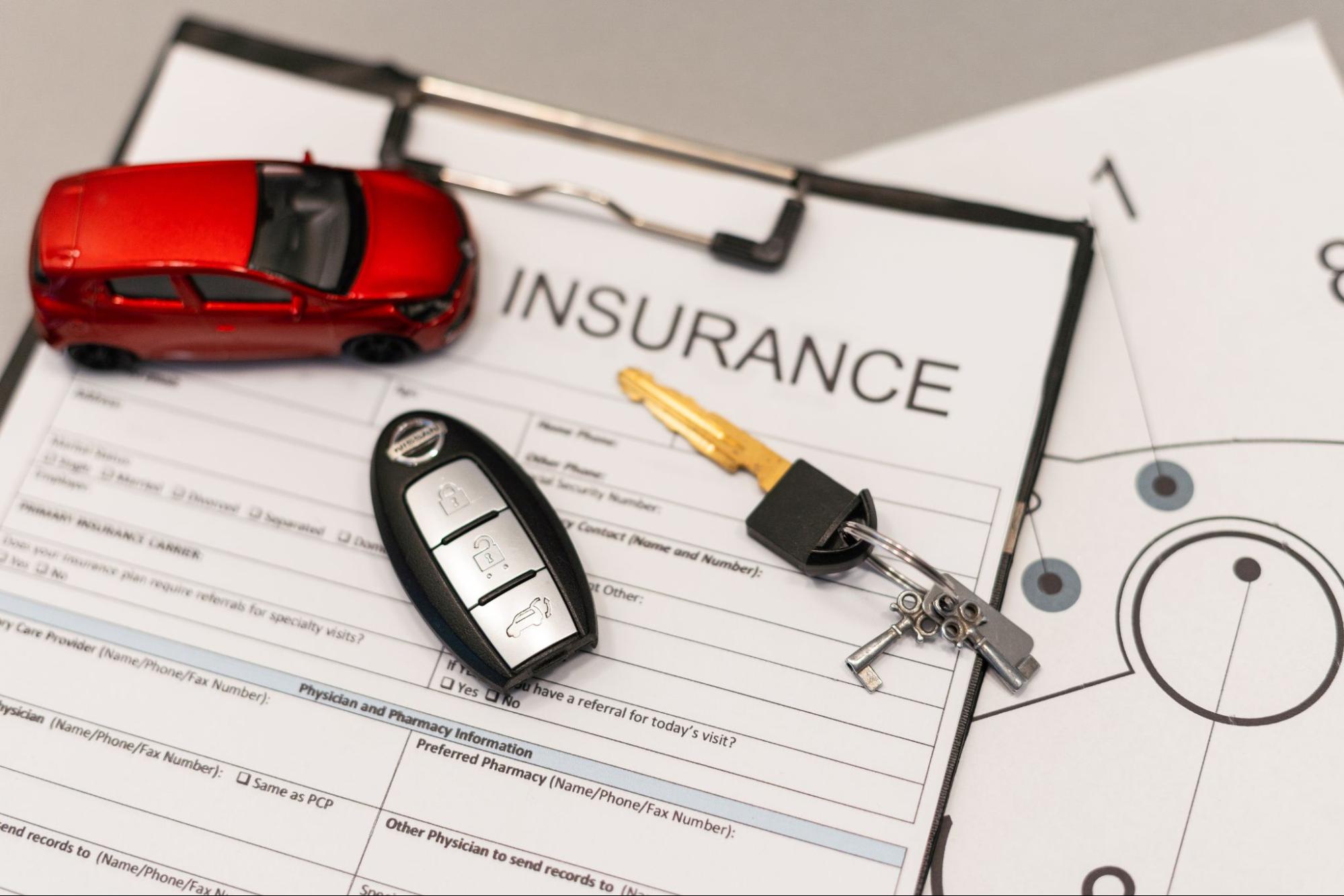
Experts believe that AI-generated images pose big risks for insurance companies. The harm caused by dishonest claimants utilising AI in their claims could even impact honest claimants.
As AI-generated images become more convincing, insurers face new challenges and forms of fraud.
Consider This Image
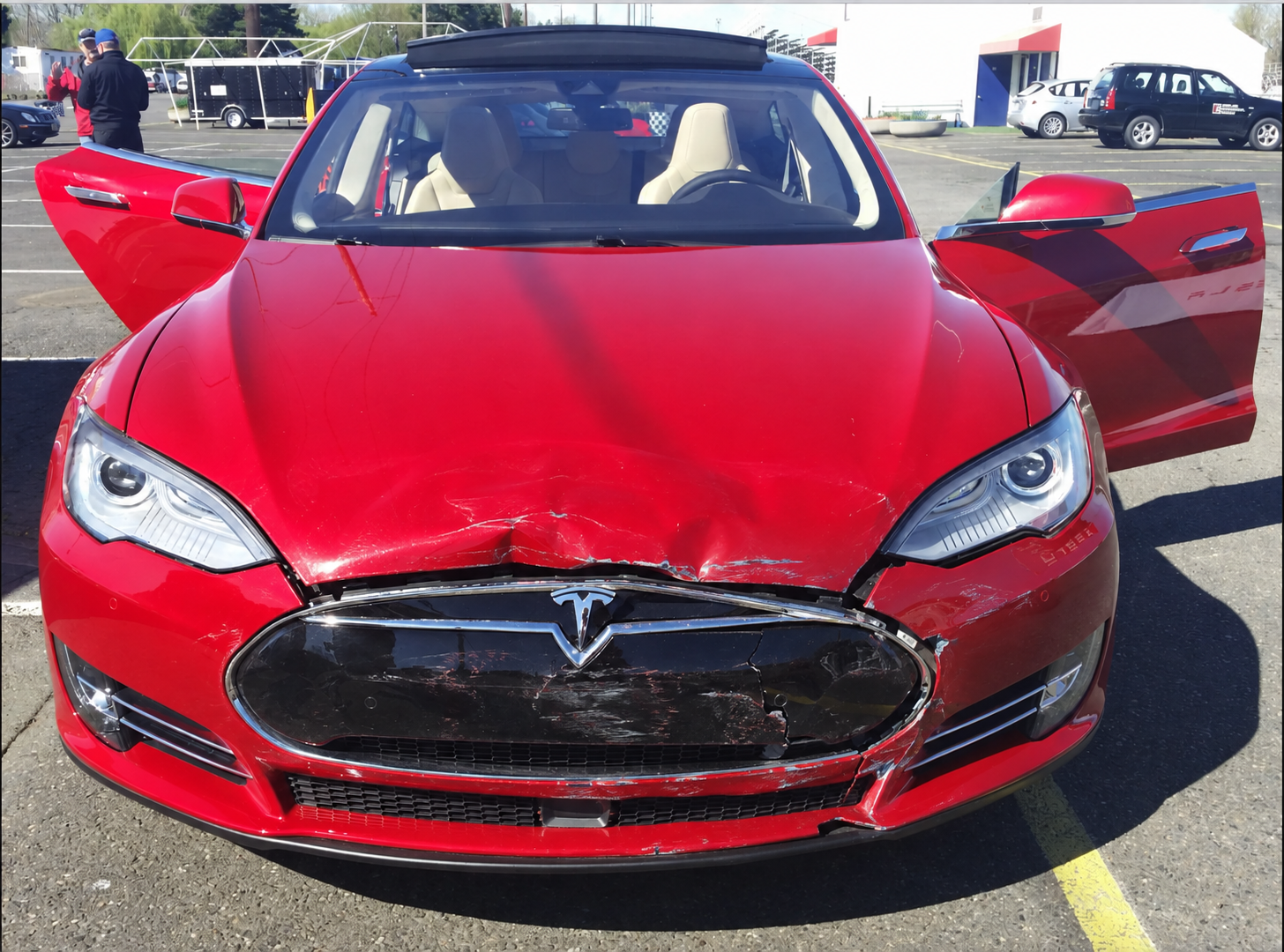
This photo appears to show a damaged red car. At first glance, it looks real. The truth, however, is that looks can be deceiving.
Before the modern AI era, doctoring a vehicle image to make it look damaged took time and effort.
Today, generative AI makes it easy to create fake images. As it turns out, the image above is not actually a damaged car. Instead, we took an image of a normal vehicle and asked an AI chatbot to add damage.
Here's the original image:
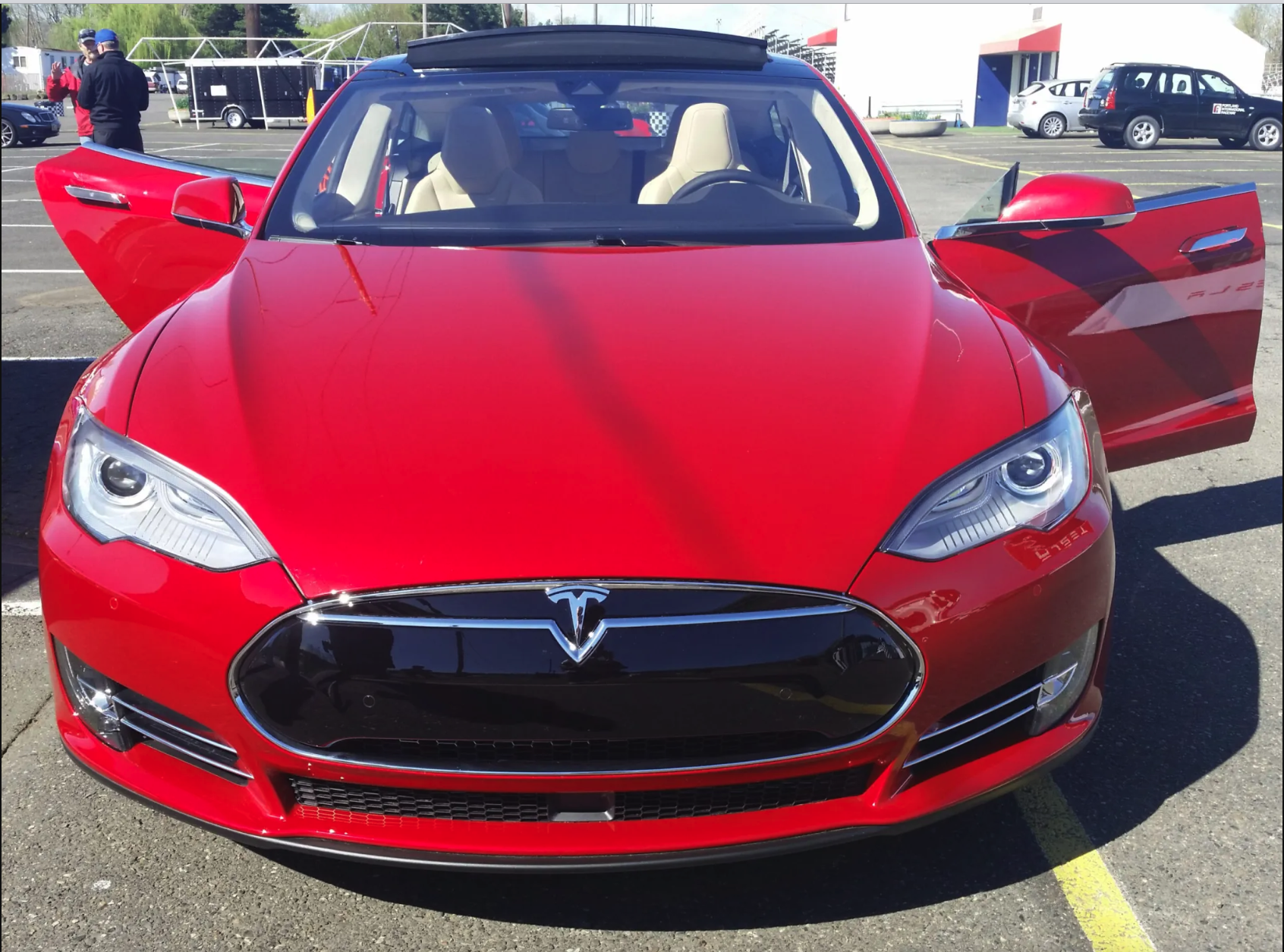
When you compare these two images side by side, it's not clear at first glance which one is real and which isn't. This creates a major problem for auto insurance claims, adding a new opportunity for fraud that costs insurers a lot of money if it goes undetected.
The New Problem Facing Insurance Claims Teams
According to the National Insurance Crime Bureau, 10,919 fraud tips were reviewed in 2025—a 36% increase from 2024. Why is insurance fraud increasing? Experts in the AI space believe artificial intelligence is contributing to the problem.
'Auto insurance is nothing new, but now it's as easy as going to an AI chatbot and saying, "hey make my car look like it got damaged," and within seconds, you get a convincing image delivered to you,' says Christian Perry, CEO of TruthScan.
Because auto-insurance claims happen every day, many rely on the people involved to submit claim-related evidence into an online portal. Insurance companies then review the submitted photo evidence and pay out the claimant.
Upgrades in generative artificial intelligence are posing new challenges to claims teams, though. Fraudulent claims could look like exaggerated damage or be completely false.
More fraudulent claims mean these companies may not catch them all. This not only increases the overall burden on claims teams, but it could also raise insurance rates for all consumers.
How Fraudulent Claims Could Reach Your Renewal Bill
'Every false claim that slips through the net impacts our honest customers,' said Scott Clayton, Head of Claims Fraud at Zurich.
Insurers say fraud pushes up premiums for honest customers by increasing claims costs and the expense of investigating and preventing false claims. Recent reports by both insurance organisations Aviva and Allianz agree that insurance fraud increases the cost of insurance for everyone.
'What these insurance organisations are all saying is true,' says TruthScan CEO Christian Perry, 'Fraud is not a victimless crime. If the company is affected by fraud, it impacts everyone and innocent people end up dealing with the effects of it all.'
Inside the Effort To Verify a Suspicious Image
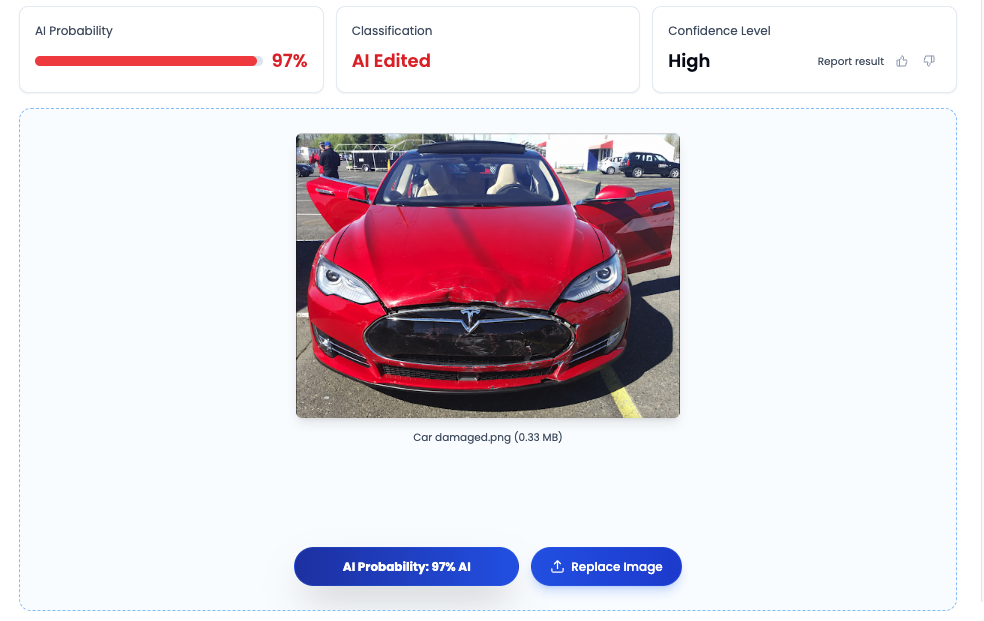
Right now, TruthScan is tackling AI fraud with its detection technology. Putting the original AI image of the damaged car through its AI image detector reveals that the image appears to be AI-edited – which is true.
Scrolling down, the TruthScan detector also shows heatmaps indicating where the AI software may have made changes to the images:
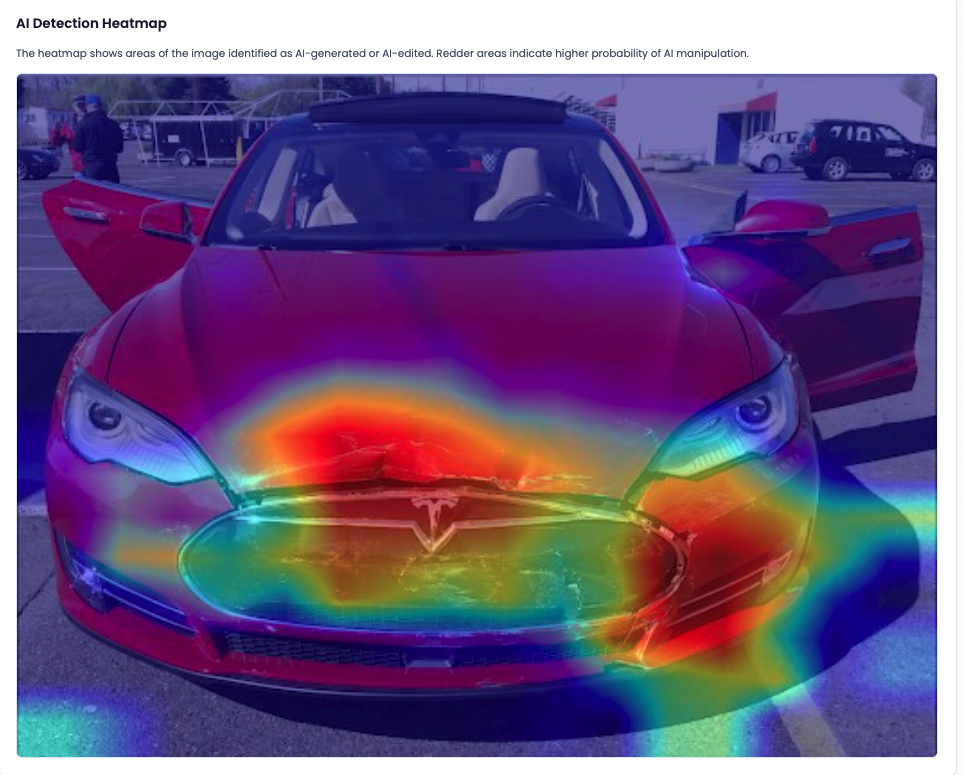
'This is a prime example of how using detection technology can help auto insurance claim investigations save time and money for everyone by nabbing fake evidence before it causes anyone a financial loss or impact,' Perry states.
Perry says that detection technology not only looks at the file data of an image; it also performs an in-depth analysis of the image content to look for signs of AI-fakery. '[TruthScan] looks at every single pixel in an image to find traces of AI and for any other abnormalities.'
According to Perry, TruthScan does this by training on thousands of AI-generated images and edits every day and learning what AI pixels look like in every way.
'Right now we want to educate everyone on how AI fraud is impacting them, whether they're a customer or a company. Everyone cares about this kind of stuff, but still one of the challenges is educating people as fast as fraud is advancing,' Perry says.
Reconsidering What We See
This image is dishonest:
It appears to tell a story about a damaged car. In reality, the image isn't real.
It's an AI edit that clearly shows how generative artificial intelligence can be abused to create fake evidence. In insurance fraud, that fake evidence can cause real financial losses for insurance organisations.
AI fraud happens fast. It's quick and easy to create.
As fake claims rise, the costs they create affect everyone. Luckily, insurance organisations and AI fraud detection companies like TruthScan recognise these emerging challenges and are racing to stop them.
Seeing is no longer believing, and only through technological advances and greater awareness can we expect to reduce this type of fraud, hopefully eliminating it once and for all.
© Copyright IBTimes 2026. All rights reserved.
- Recommended For You