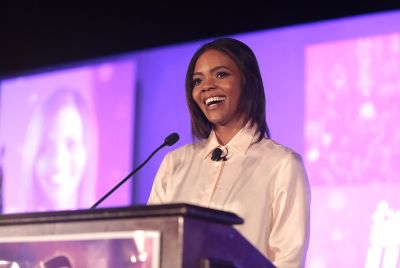
Cables or Cookery? How Candace Owens' Policy Post Spiralled Into an AI Kitchen Slur
A prompt for Grok AI to picture Owens 'in a kitchen making a sandwich' quickly derailed the infrastructure debate

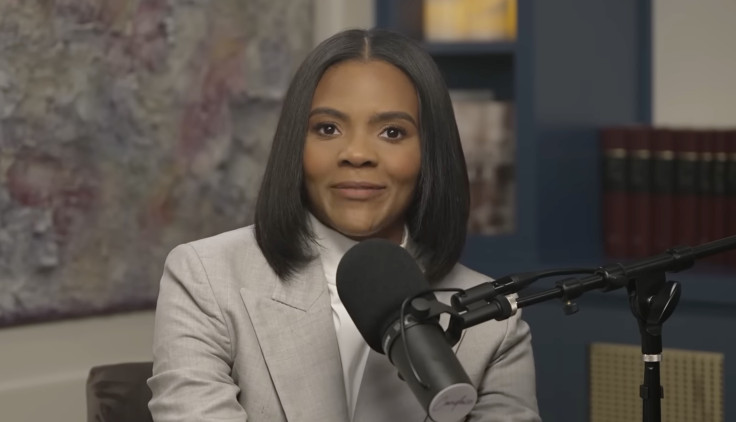
Candace Owens recently expressed her concerns about widespread technical failures across the United States. Following her comments, a person on X prompted the AI tool Grok to generate an image of her in a domestic setting. This interaction has sparked a fresh conversation about how artificial intelligence is used to respond to public figures.
After comparing the utility networks of the United States to those in the United Kingdom, Candace Owens ignited a row on X by questioning why American power and internet cables aren't installed underground. Thousands of people interacted with her claims, yet a single response managed to pivot the conversation from infrastructure to a sexist insult that faced its own wave of mockery and disapproval.
Against a backdrop of widespread connectivity and electricity failures across America, Owens presented a case for infrastructure reform grounded in both utility and visual appeal. She questioned the logic behind current US methods, stating, 'Regarding all these power and internet outages— I will never understand why we don't bury the cables and electric lines like they do in the United Kingdom.'
Function, Form, and Viral Fallout
Continuing her point with a list, she noted, '1) They are unsightly. 2) It protects them from the elements,' before finishing her message by suggesting that the nation could choose a better path. Within a short time, the update reached a wide audience, generating a mix of supportive comments, disapproval, and witty retorts.
Regarding all these power and internet outages— I will never understand why we don’t bury the cables and electric lines like they do in the United Kingdom.
— Candace Owens (@RealCandaceO) January 27, 2026
1) They are unsightly.
2) It protects them from the elements.
It doesn’t have to be like this, America.
As various individuals weighed in on the contrast between American and British utility systems, another group of commenters chose to ignore the topic entirely. A response from an account named Don Carter steered away from the subject by mentioning the AI assistant developed by Elon Musk, requesting, '@grok make the best picture you can of candance owens in a kitchen making a sandwich.'
Weaponising the AI Prompt
Rather than tackling the points regarding underground utilities or the durability of the grid, the remark relied on an old-fashioned prejudice about a woman's place being in the home. This approach shifted the spotlight to the hostile nature of the post rather than to any meaningful debate on the topic.
Although the AI bot failed to respond to Carter's command, his post nevertheless gained significant traction beneath the original thread, diverting attention from national planning to a more personal dispute.
— Fractured Light (@FracturedLight0) January 27, 2026
During this time, a separate profile under the handle Fractured Light (@FracturedLight0) uploaded a picture of Owens that aligned with the previous request, depicting her in the middle of preparing food.
Policy vs. Provocation
This interaction illustrated a frequent phenomenon on digital platforms: serious debates on public policy—especially those featuring divisive personalities—are often sidetracked by personal insults or derisive comedy.
The initial message from Owens emphasised functional advantages, such as shielding equipment from the weather and reducing the eyesore of dangling wires. Putting electricity networks underground has remained a contentious issue in America for some time, as opponents point to the massive expense and practical difficulties involved, whereas advocates maintain it ensures a more stable supply during severe storms.
A Pattern of Online Hostility
Nevertheless, the response mentioning Grok completely bypassed those arguments. Instead of challenging the assertions made by Owens or providing a different point of view, it transformed the interaction into a private insult, which ignited further debate regarding the treatment of women in the media.
Since these events unfolded, Carter deleted the comment in question, likely in response to the public outcry, and cleared his entire history of posts. A capture of his specific reply is provided here.

Conclusion: The Cost of Digital Vitriol
Ultimately, this incident serves as a stark reminder of the digital age's tendency to bury significant public discourse under a mountain of personal vitriol.
While the debate over America's ageing infrastructure is a matter of national importance, the swift descent into gender-based mockery suggests that the platform's culture often values a clever sting over a constructive solution.
As the thread remains active, it continues to highlight the widening gap between the issues that affect citizens' daily lives and the hostile manner in which those problems are discussed online.
© Copyright IBTimes 2025. All rights reserved.
- Recommended For You