1 Billion Identity Records Exposed in Massive Data Leak — Are You at Risk?
Millions of records included IDs, addresses and contact details.

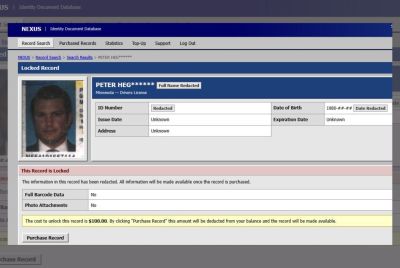
A massive data leak has exposed roughly 1 billion identity records on the open internet, raising urgent concerns about the safety of personal information worldwide. The unsecured database, discovered on 11 November 2025, contained highly sensitive details including full names, home addresses, dates of birth, national ID numbers, phone numbers, email addresses and gender information.
The scale of the exposure spans 26 countries, with the United States accounting for more than 203 million records. Other heavily affected nations include Mexico, the Philippines, Germany, Italy and France.
Although there is no confirmed evidence that criminals accessed the data, experts warn that the sheer volume and organisation of the records make them a serious risk for identity theft and fraud.
How the Data Leak Could Be Exploited
Cybersecurity specialists say the exposed database contains the same type of information commonly used for identity verification in financial services, including banking and digital platforms. Such data is typically required when individuals open accounts or verify their identities online.
If accessed by malicious actors, this information could be used to carry out SIM-swap attacks, allowing criminals to take control of phone numbers and intercept security codes, as reported by Tom's Guide. It could also enable highly targeted phishing schemes, where scammers use real personal details to appear legitimate.
Even without confirmed misuse, experts caution that automated bots constantly scan for exposed databases and can copy large volumes of data within minutes, significantly increasing the risk of exploitation.
Global Impact of the Exposure
The leak highlights the global reach of identity verification systems and the risks tied to handling sensitive personal data at scale. With records spanning multiple regions, the exposure has the potential to affect millions of individuals who may not even be aware their data was stored in such systems.
Security researchers note that the structured format of the database makes it particularly valuable for cybercriminals. Data sorted by country or demographic details could be used to launch large-scale fraud campaigns or targeted scams.
Steps to Protect Yourself After a Data Leak
In response to the incident, cybersecurity experts are urging individuals to take immediate precautions to safeguard their personal information. Placing a credit freeze with major credit bureaus can prevent unauthorised loans or accounts from being opened in your name.
Users are also advised to switch from SMS-based two-factor authentication to authenticator apps, which are less vulnerable to interception during SIM-swap attacks. Using a password manager to create strong, unique passwords for each account can further reduce the risk of account takeovers.
Identity monitoring services can help detect suspicious activity early, while enabling additional security features with mobile carriers, such as port-out PINs, adds another layer of protection. Experts also warn against trusting unsolicited calls or messages that reference personal details, advising individuals to verify communications through official channels.
Antivirus software and data removal services can provide added protection by blocking malicious links and reducing the amount of personal information accessible online. As data breaches continue to grow in scale, individuals are being encouraged to review and strengthen their digital security habits to minimise potential risks.
© Copyright IBTimes 2026. All rights reserved.
- MOST POPULAR IN CyberSecurity