Costco Files Lawsuit Against Trump Administration Seeking Tariff Refunds
Costco joins dozens of companies seeking safety of refunds

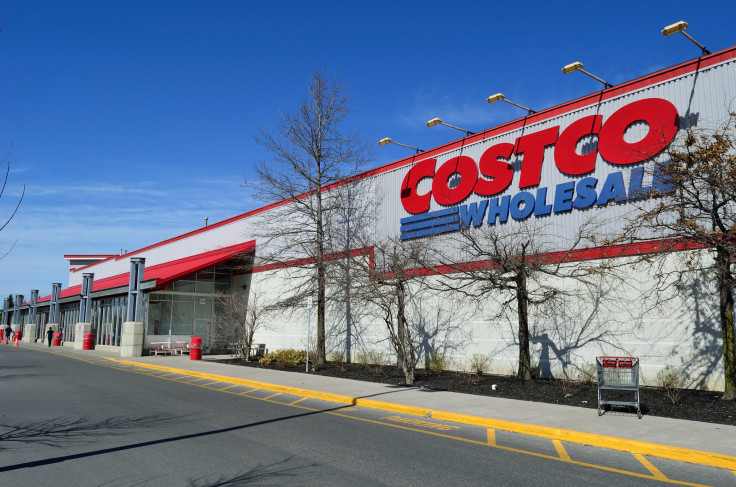
Warehouse club giant Costco has filed a lawsuit seeking a full refund of tariffs paid this year, should the US Supreme Court reject President Donald Trump's bid for authority to impose tariffs.
In a suit filed on Friday in the US Court of International Trade in Manhattan, Costco argued that Trump's use of the International Emergency Economic Powers Act (IEEPA) to impose tariffs leaves companies uncertain about their ability to recover payments they believe they should not have made.
'This separate action is necessary, however, because even if the IEEPA duties and underlying executive orders are held unlawful by the Supreme Court, importers that have paid IEEPA duties, including Plaintiff, are not guaranteed a refund for those unlawfully collected tariffs in the absence of their own judgment and judicial relief,' Costco stated in the filing.
Costco also reported that US Customs and Border Protection (CBP) rejected its request for additional time beyond the December 15th deadline to finalise tariff calculations on imports. The company highlighted the risk of losing the money paid to satisfy these tariffs, even if the Supreme Court rules against Trump.
Although importers have six months to file protests against liquidation, 'not all liquidations are protestable,' the lawsuit notes.
Costco's Efforts to Mitigate Tariff Impact
In response to the tariffs, Costco has taken steps such as reducing suppliers and increasing reliance on local sourcing.
'We're doing everything we can,' Costco CFO Gary Millerchip told Bloomberg earlier this year. 'Whether that's working with suppliers to find efficiencies to offset the impact of tariffs, or sourcing from different countries more frequently.'
The company pointed out that its large size and limited assortment give it an advantage in navigating tariffs, but forecasting price movements remains challenging.
This ongoing legal battle highlights the broader uncertainties faced by importers navigating complex trade policies. Many companies are closely watching how the Supreme Court's decision could impact their financial recovery and future sourcing strategies.
Dozens of Companies Seek Refund Protection
Several firms, including Bumble Bee Foods, Kawasaki Motors, Yokohama Tire, and EssilorLuxottica, have filed similar lawsuits to safeguard their rights to potential refunds if the Supreme Court rules against the reciprocal tariffs. This coordinated legal action underscores the widespread concern among importers about the potential financial risks associated with tariffs and executive orders.
In August, the US Court of Appeals for the Federal Circuit upheld a previous decision by the Court of International Trade, which found that Trump lacked the legal authority to impose such tariffs.
'The core Congressional power to impose taxes such as tariffs is vested exclusively in the legislative branch by the Constitution. Tariffs are a core Congressional power,' the ruling stated.
On 5 November, Supreme Court justices debated whether Trump legally used the 1977 emergency powers law to impose tariffs. While prioritising the case, the justices did not provide a timeline for a decision.
White House spokesperson Kush Desai emphasised the economic repercussions of failing to uphold President Trump's lawful tariffs, calling the case significant. 'The White House looks forward to the Supreme Court's speedy and proper resolution of this matter,' he added.
© Copyright IBTimes 2026. All rights reserved.
- MOST POPULAR IN Business