Saks Bankruptcy Sparks Fears Macy's and Other Department Stores Could Be Heading the Same Way
Once a luxury icon, now a symbol of US department store decline.
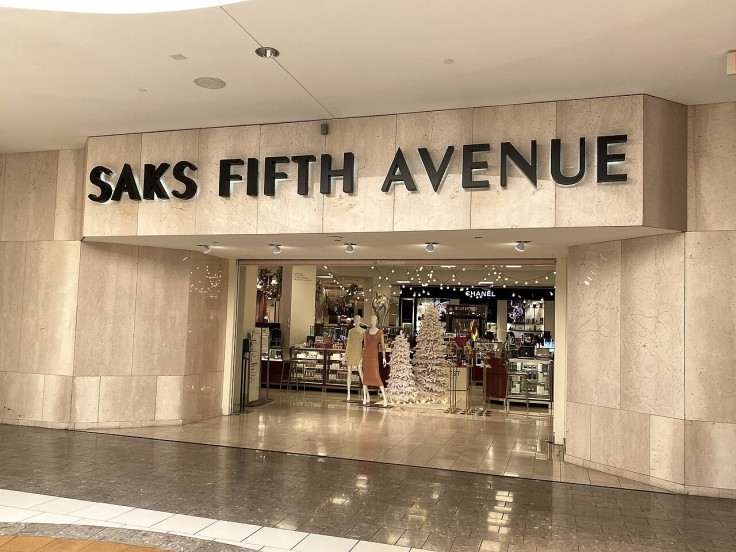
When luxury retail giant Saks Global filed for Chapter 11 bankruptcy this month, it didn't just make headlines — it lit up alarm bells across the retail industry. The company that once epitomised luxury retail with Saks Fifth Avenue, Neiman Marcus, and Bergdorf Goodman now reflects the ongoing decline of America's classic department store model.
This is more than an isolated failure. Rather, the news feels like an indicative of a wider decline among major, traditional retailers that have historically supported shopping malls and main streets.
With competitors like Macy's shrinking their physical footprints, and historic names such as Lord & Taylor having already disappeared from the bricks‑and‑mortar landscape, the question is no longer if department stores are struggling — it's how many more will follow.
Store Closures and Shrinking Footprints
Macy's, the quintessential American department store, has been quietly adjusting its presence for years. Once operating around 700 locations, the company has announced plans to close roughly 150 under-performing stores by the end of 2026 while focusing investment on its strongest locations and digital channels. These closures span states from California to New York and reflect a growing reluctance among shoppers to visit sprawling multi‑floor retail spaces.
Lord & Taylor, a rival chain that dated back to the 19th century, ended all physical operations after filing for bankruptcy in 2020 and closing stores by 2021. Its exit from physical retail, although years earlier, seems remarkably relevant considering Saks' current challenges.
Meanwhile, some malls that once bustled with weekend foot traffic now face hollow corridors and vacant anchor sites. The demise of key tenants has contributed to a wider 'retail apocalypse,' a term used to describe the steady decline of in‑store shopping as e‑commerce and experience‑based retail rise.
Why Shoppers Are Walking Away
Department stores are losing customers for a number of different reasons, including economic, cultural, and competitive factors.
- Higher Prices and Lower Perceived Value: Department stores often carry higher mark‑ups than direct‑to‑consumer brands and online retailers. With inflation lingering in many categories over the past few years, cost‑conscious consumers have less incentive to pay premium prices in‑store.
- Brands Selling Directly: Luxury and mid‑range brands alike are increasingly opening their own boutiques and online shops, bypassing intermediaries. Customers can now buy straight from Chanel, Louis Vuitton or smaller designers without stepping foot in a department store.
- E‑commerce Convenience: Online shopping giants and niche digital retailers have trained consumers to expect convenience, personalisation and speed — areas where large physical stores often lag behind.
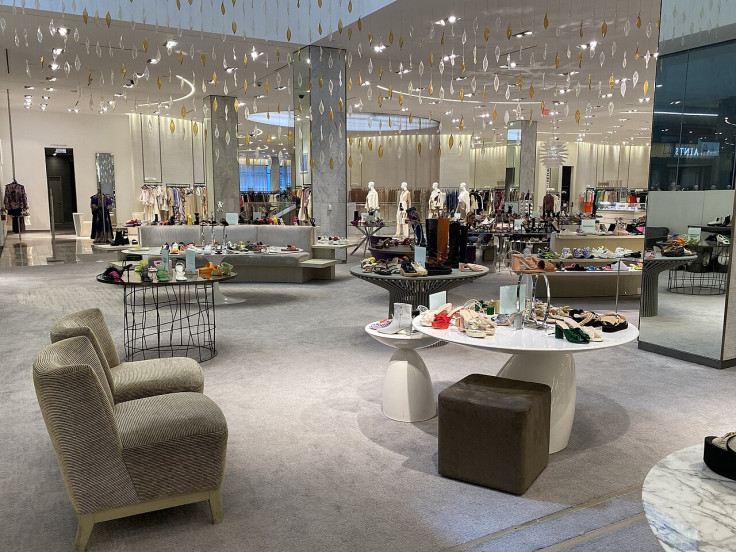
- Fewer Reasons to Visit Physical Stores: Department stores used to be social hubs, offering dining, events and seasonal spectacles. Today, many feel like showroom spaces with less novelty and reason for repeat visits.
These factors pile up against legacy chains that have struggled to differentiate themselves and maintain compelling inventory. Financial strain — such as unpaid vendor bills and spiralling debt — worsen these trends for Saks in particular.
Is Traditional Retail Losing Ground?
Industry analysts see Saks' failure not as a fluke but as a warning sign for the sector, according to Axios. Traditional department stores were built on a broad‑based 'sell it all' model, carrying everything from footwear to fragrances under one roof. But as consumers move to specialist retailers, direct brand boutiques, and online experiences, that broad model has increasingly lost resonance.
Even when tailored experiences are offered, they often fail to compete with exclusive brand environments or the convenience of digital retail. Some department stores are experimenting with events, interactive spaces, and unique collaborations to recapture interest, but success has been uneven and costly.
What's Next
With Saks now in bankruptcy, Macy's closing stores, and other once‑iconic retailers having already faded, a pressing question looms for many Americans. If Saks couldn't survive, then who can?
For communities, workers, and fashion lovers, the implications extend beyond economics. Department stores have long been cultural cornerstones — spaces for discovery and spectacle. As this chapter of retail history closes, the industry faces fundamental questions about what physical shopping should look like in the 21st century. Consumers may still crave tangible experiences, but stores must now offer far more than shelves of merchandise to justify their place in an increasingly digital world.
© Copyright IBTimes 2026. All rights reserved.
- MOST POPULAR IN Retail