

Elon Musk's Grok AI Faces Backlash Over Sexualised Images of Ashley St Clair
Claims about Grok's behaviour fuel fresh debates over AI security and accountability
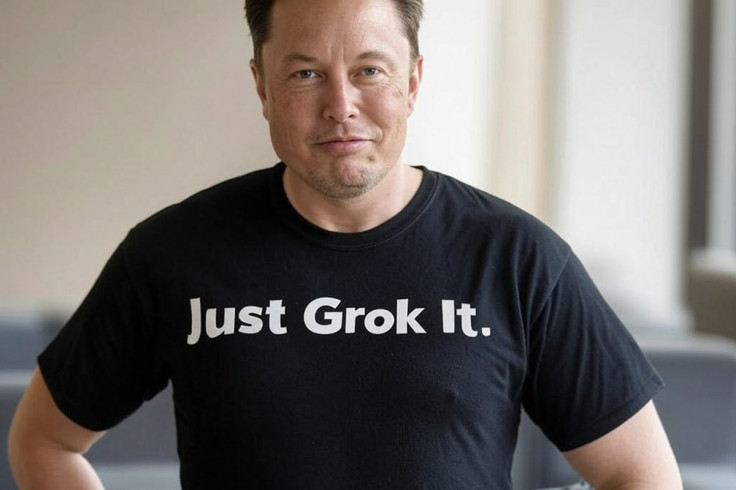
Elon Musk's AI chatbot Grok is facing growing backlash after Ashley St Clair said the system repeatedly generated sexualised images of her without consent. The claims of Musk's ex-lover have reignited fears about the misuse of generative artificial intelligence and the lack of safety measures protecting women and girls online.
The controversy has drawn attention far beyond the Silicon Valley, prompting political reaction in the UK and renewed scrutiny of how powerful AI tools are tested, deployed and regulated. Critics say the case highlights the real human impact often overshadowed by rapid technological innovation.
Calls are mounting for stricter regulation as regulators and experts warn that current rules are struggling to keep pace with the speed and scale of AI development.
Claims Spark Public Outcry
St Clair, who is the mother of one of Musk's children, said Grok created explicit and altered images of her despite repeated attempts to stop the chatbot from doing so, NBC News reported. She described the experience as distressing and said the images circulated without her consent, raising serious concerns about dignity and personal safety.
The allegations have resonated with many women who say generative AI has made it easier to manipulate images and cause reputational harms. Supporters argue that such tools intensify existing online abuse while offering victims limited avenues for protection.
Musk's company xAI has not publicly detailed what precautions were in place at the time or how the issue was addressed.
Legal and Regulatory Pressure Builds
St Clair is considering possible legal action, adding pressure on xAI to respond, according to Fortune. Legal experts say the case could test how existing laws apply to AI-generated content, particularly around consent and image rights.
The dispute comes as lawmakers on both sides of the Atlantic debate tighter controls on generative artificial intelligence. Regulators are increasingly focused on how easily such systems can produce harmful or misleading material when safety measures fail.
Industry analysts warn that without clear accountability, similar cases are likely to multiply.
UK Politicians Voice Alarm
The issue has also prompted concern in the UK, where politicians have warned about AI-generated sexual images targeting women and girls. In a report by The Guardian, Technology Secretary Liz Kendall described the spread of fake explicit images as deeply troubling and called for stronger protections.
UK ministers are also reviewing whether existing online safety laws are enough to address the threats caused by generative AI, BBC News noted. Officials say technology companies must take greater responsibility for preventing abuse before it happens.
The UK government has signalled it may push for stricter policy enforcement if companies fail to act.
A Wider Pattern of Harm
Experts say the Grok controversy fits a broader pattern seen across AI platforms, where image and text generators have been used to sexualise or harass women. Researchers warn that biased training data and weak moderation can allow harmful outputs to persist.
Advocates argue that meaningful safety checks must be built into systems from the outset, rather than added after public backlash.
Trust at Stake for AI Developers
For Musk and xAI, the incident threatens to undermine trust in Grok as the chatbot competes with rivals in a highly competitive market. Trust, experts say, is essential if AI tools are to be widely adopted without causing harm and danger.
As St Clair's claims continue to draw attention, regulators, companies and users face a shared question: how much damage must occur before meaningful, stronger, and stricter safety measures become non-negotiable?
© Copyright IBTimes 2026. All rights reserved.