

Savannah Guthrie's Mother Abducted 10 Days Ago: $6M Bitcoin Ransom, Blood on the Porch, and AI Complicating Proof of Life
The 84-year-old needs daily medication and has a pacemaker. Eleven days in, investigators still can't confirm she's alive.
A kidnapper sends a video. The victim speaks. She holds today's newspaper.
That used to be enough. It's not anymore.
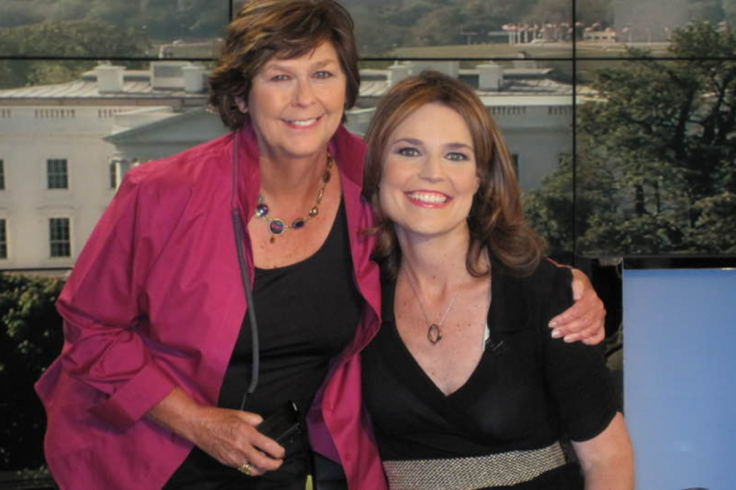
Nancy Guthrie, the 84-year-old mother of NBC's 'Today' show host Savannah Guthrie, has been missing for 11 days. Investigators have doorbell camera footage, DNA-confirmed blood evidence, a $6 million (£4.4 million) bitcoin ransom demand, and nearly 18,000 tips. What they don't have is something families once took for granted: a reliable way to confirm she's still alive.
The Night She Vanished
Nancy Guthrie went to bed at her Tucson, Arizona, home on the evening of 31 January. By 1:47 am on 1 February, her doorbell camera had disconnected. When she didn't show up to church that Sunday, her family drove to her house and found her phone, wallet, and daily medication sitting inside.
She was gone. Blood found on the front porch later matched her DNA.
The FBI released surveillance footage showing a masked, armed individual at her door that night. The agency is offering a $50,000 (£36,700) reward. Several hundred detectives and agents are now assigned to the case.
Why Proof of Life No Longer Works
Here's the problem nobody saw coming.
Savannah Guthrie addressed her mother's potential captors in an Instagram video last week. Her voice cracked. But between the plea and the desperation, she acknowledged something chilling: 'We live in a world where voices and images are easily manipulated. We need to know without a doubt that she is alive.'
She's right. And the FBI knows it.
'With AI these days you can make videos that appear to be very real. So we can't just take a video and trust that that's proof of life,' Heith Janke, the FBI's special agent in charge of the Phoenix field office, said at a press conference.
Joseph Lestrange spent 32 years in law enforcement. He now trains agencies on spotting AI-generated content. His assessment is blunt: 'You give it the right prompts, it can pretty much make up just about anything.'
Before generative AI, a grainy photo worked. A voice on the phone worked. A hostage reading a newspaper headline worked. Now? Scammers can fake all of it.
The FBI has received multiple ransom notes in this case. At least one was confirmed as a hoax, sent by a California man who was arrested. Others remain unverified.
The $6 Million Bitcoin Demand
According to reports, at least one ransom note demanded $6 million (£4.4 million) in bitcoin with a deadline that passed on Monday.
Savannah Guthrie and her siblings released a video over the weekend saying they would pay. The deadline came and went. No confirmed contact followed.
On Tuesday evening, activity was detected in the cryptocurrency wallet linked to the original ransom note. Investigators haven't said whether the Guthrie family made a payment. A person of interest — a 27-year-old DoorDash driver named Carlos Palazuelos — was detained in Rio Rico, Arizona, after a traffic stop. He was released hours later without charges. He told reporters he'd never heard of Nancy Guthrie.
What This Means for Millions of Elderly Americans
Nancy Guthrie lives alone. She has a pacemaker. She requires daily medication. She represents a growing population: elderly Americans in retirement communities, often isolated, often vulnerable.
Research from the National Elder Mistreatment Study found that roughly 10% of adults over 60 experience some form of abuse annually. Elderly victims are nearly twice as likely as younger victims to face violent crimes at or near their homes, according to Bureau of Justice Statistics data. Half of elderly violent crime victims are attacked by someone they know.
The FBI warned in December 2025 that AI-powered virtual kidnapping scams are surging. Criminals scrape social media photos, generate fake videos of loved ones in distress, and demand immediate payment. Losses from these scams could hit $16 billion (£11.7 billion) by late 2026.
The Search Continues
FBI agents spent Wednesday searching roads, desert washes, and pulloffs between Nancy Guthrie's Catalina Foothills home and the highways leading out of Tucson. They pulled surveillance footage from nearby gas stations. A glove matching one worn by the suspect in the doorbell footage was reportedly found, though investigators haven't confirmed a forensic link.
The Pima County Sheriff's Department has received nearly 18,000 tips since Nancy disappeared. More than 4,000 came in within 24 hours of the FBI releasing the surveillance images.
Cybersecurity experts now recommend families create secret code words — phrases only relatives would know — as a low-tech defence against high-tech deception. It's an old-school solution to a brand-new problem.
For the Guthrie family, that advice arrived too late. They're left waiting, watching, and wondering if the next message is real.
A kidnapper sends a video. The victim speaks. She holds today's newspaper.
That used to be enough.
© Copyright IBTimes 2026. All rights reserved.