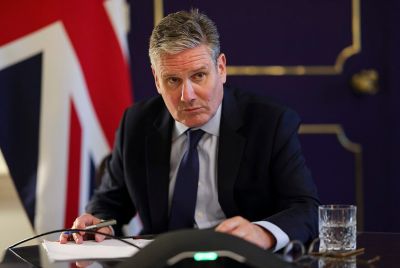
The Fastest Tariff U-Turn in History: How Britain Made Trump Blink on Pharmaceuticals
Landmark UK-US deal secures zero tariffs on medicines but raises NHS costs by 25%

In a dramatic reversal, Britain has secured a groundbreaking UK-US zero-tariff deal on pharmaceuticals, compelling US President Donald Trump to back down from his bold trade threats. The agreement, unveiled on 1 December 2025, underscores how strategic negotiations forced Washington to blink on imposing severe Section 232 tariffs.
Against the backdrop of escalating NHS drug prices and a new transatlantic trade pact, this rapid tariff reversal reshapes pharmaceutical pricing and strengthens health trade relations between the allies.
The Tariff Threat Looms Large
On 1 October 2025, President Donald Trump imposed 100% tariffs on branded pharmaceutical imports, targeting countries he accused of underpaying for US drugs. This move threatened UK exports, with the US ambassador warning of potential shutdowns for British drug firms unless the NHS increased payments.
British officials, including Prime Minister Keir Starmer and Science Minister Patrick Vallance, faced intense pressure as pharma giants like AstraZeneca paused investments amid the uncertainty.
The tariffs aimed to address Trump's claim that Americans subsidise global drug costs, with US patients paying premiums while allies like Britain benefit from lower prices. As negotiations intensified, Britain leveraged its position as a key exporter—pharmaceuticals comprise a fifth of UK shipments to the US—to push for exemptions.
Financial journalist Paul Lewis spotlighted the risks on X, noting the US seeks to 'export its excessive drug prices to the UK' via ambassador threats.
USA wants to export it excessive drug prices to the UK as Ambassador threatens to shut down drug firms in UK unless NHS pays more https://t.co/zqW7irdi1k pic.twitter.com/ft4UEojb6e
— Paul Lewis (@paullewismoney) November 6, 2025
Negotiating the U-Turn
Britain clinched the deal on 1 December 2025, securing zero tariffs on UK-origin pharmaceuticals, ingredients, and medical technology for at least three years. In return, the UK committed to a 25% increase in net prices for new US medicines, reversing decades of NHS restraint on innovative treatments.
The agreement also lowers the VPAG rebate rate to 15% from 2026 and raises the NICE threshold from £30,000 ($39,621) to £35,000 ($46,224) per quality-adjusted life year. US Health Secretary Robert F. Kennedy Jr. hailed it, saying: 'This agreement with the United Kingdom strengthens the global environment for innovative medicines and brings long-overdue balance to US–UK pharmaceutical trade.'
UK Science and Technology Secretary Liz Kendall responded: 'This vital deal will ensure UK patients get the cutting-edge medicines they need sooner, and our world-leading UK firms keep developing the treatments that can change lives.'
Negotiators, including US Trade Representative Jamieson Greer, framed it as a win for innovation, exempting the UK from future Section 301 probes during Trump's term. This pact builds on a May 2025 framework for other sectors like steel and beef.
Broader Impacts and Reactions
The deal positions the UK as the only nation with guaranteed zero-tariff pharma access to the US, potentially boosting exports and attracting investment. However, it burdens the NHS with an estimated additional £3 billion ($3.96 billion) in drug spending, sparking concerns over budget strains.
Drugmaker Bristol Myers Squibb pledged £395 million ($500 million) in UK investments over five years, signalling job creation and supply chain enhancements. On X, analyst Matt Stoller critiqued: 'Trump agreed to exempt UK pharmaceuticals from tariffs as long as England screws its own National Health Service.'
Trump agreed to exempt UK pharmaceuticals from tariffs as long as England screws its own National Health Service. https://t.co/FGS9bPHLhM
— Matt Stoller (@matthewstoller) December 1, 2025
Critics warn of higher costs for patients, while supporters argue the deal ensures faster access to breakthroughs. Economists note that shifting NICE's evaluation threshold from £20,000 ($26,414) to £30,000 ($39,621) could encourage more R&D in Britain.
Ultimately, the agreement fosters transatlantic collaboration but raises questions about long-term affordability in public healthcare.
© Copyright IBTimes 2025. All rights reserved.
- Recommended For You