Meghan Markle, Prince Harry Branded Hollywood Outcasts, Lose 25 Employees as Netflix Deal Crumbles: Report
A fairy‑tale streaming deal that promised reinvention is instead exposing just how fragile Meghan and Harry's Hollywood footing has become.

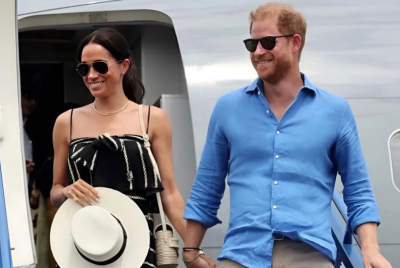
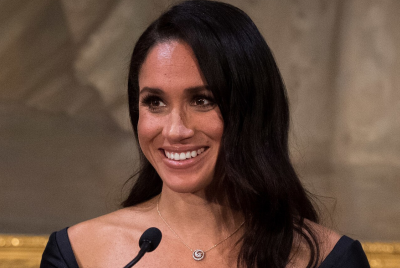
Meghan Markle and Prince Harry's multi‑million‑pound partnership with Netflix is unraveling in California, four years after the couple signed a reported £75 million deal once billed as their big Hollywood breakthrough. The streaming giant has downgraded the arrangement to a more modest 'first‑look' agreement, while reports in the US and UK suggest the Sussexes have shed at least 22 to 25 staff and several publicists during their post‑royal reinvention.
Meghan and Prince Harry moved to the United States in 2020 after stepping back as working royals and quickly turned to entertainment and publishing to secure financial independence. Netflix was the centrepiece of that plan.
Co‑chief executive Ted Sarandos was regarded as a close ally at the time, reportedly even hosting the couple at his Santa Barbara home while their Montecito property was being renovated. The ambition was clear: glossy documentaries, prestige series and lifestyle programming designed to harness global fascination with the Sussexes and turn it into a long‑term content brand.
That early promise has curdled. When the couple's original five‑year deal quietly expired last summer, the streamer did not renew on the same terms. Instead, the pair were shifted onto a less lucrative arrangement that simply gives Netflix first refusal on any future projects. It is a demotion in all but name, and it has been followed by a more pointed sign of distance.
Sarandos is reported to have unfollowed both Meghan and her As Ever lifestyle company on Instagram, a petty‑looking move, perhaps, but one that in Hollywood tends to signal a relationship that is no longer worth protecting.
The Netflix Brand Problem
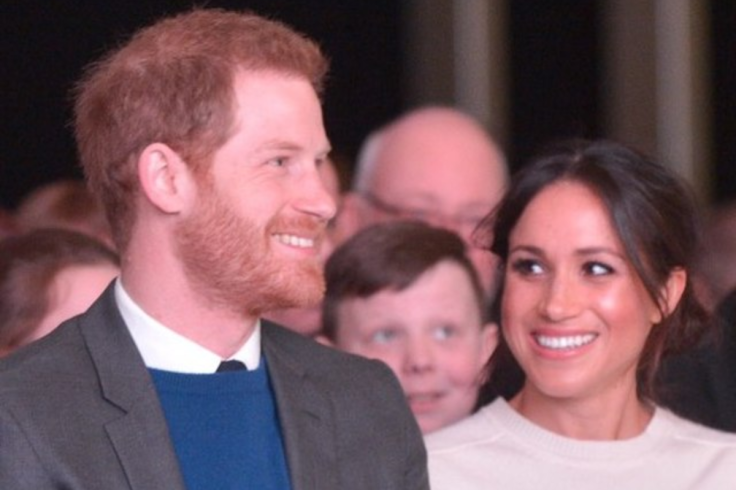
Industry murmurs have grown that Meghan and Prince Harry had become difficult collaborators and inconsistent draws for audiences. Since the couple's move to the US in 2020, royal commentators and entertainment insiders have spoken of a 'staff churn' around the Sussexes, with at least 22 to 25 employees said to have departed over that period.
The pair have also gone through 11 publicists in roughly five years. Those numbers are not officially confirmed by the couple, so they should be treated with caution, but they feed a narrative of instability that has been hard for them to shake.
On screen, the results have been mixed. Their 2023 documentary Harry & Meghan generated huge attention and fierce debate, but it also reportedly left Netflix executives feeling blindsided. The streamer had signed the couple on the understanding that their exit from royal life would be explored with them, not premiered elsewhere.
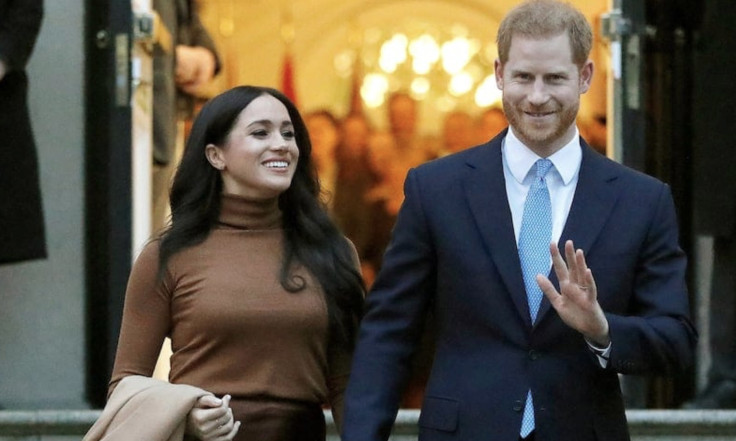
Instead, some of the most explosive allegations about the monarchy first surfaced in the couple's sit‑down with Oprah Winfrey in March 2021. Variety has reported that Netflix insiders felt wrong‑footed by that decision, which inevitably raises questions about trust.
Subsequent projects have struggled to make the same impact. Harry fronted a documentary about the elite sport of polo that barely registered beyond his keenest supporters. Meghan's lifestyle series With Love, Meghan, tied to the launch of the As Ever brand, fared worse.
The first season, released last year, was widely criticised and, according to trade reports, neither its second season nor a 2025 Christmas special managed to break into Netflix's top 1,000 shows for 2025. A third series has now been ruled out.
As Ever Backfires
The collapse of Netflix's enthusiasm for As Ever is particularly awkward for Meghan and Prince Harry. The lifestyle venture was pitched as a broader world of wellness and aspirational living, with As Ever positioned alongside With Love, Meghan as the duchess's next big pivot. In practice, the range has focused on relatively traditional products: jam, wine, candles and tea.
Netflix initially supported the As Ever tie‑in, promoting the brand and its screen companion. That support has now been withdrawn, leaving As Ever as a purely Sussex‑run offering. Reports in US outlets have painted a picture of a project slipping out of control. Variety has claimed there is around £10 million worth of unsold stock sitting in storage, while Page Six reported that unsold jam jars were being handed out in Netflix's Hollywood offices.
According to Express, one unnamed source told Variety that 'the issue was sales in the end,' adding that 'the jam thing became totemic. There was just all this jam. We had thought there would be more to it.'
That quote captures the broader sense of disillusionment settling around the couple's commercial ventures. When Harry left the Army and launched high‑profile veterans' and charity initiatives, and when Meghan first emerged on the British scene in 2016 as a successful television actress, there was widespread expectation that the pair might modernise the monarchy and build serious philanthropic platforms. Instead, the post‑Megxit years have been dominated by confessional projects, wellness language and a steady stream of criticism of the royal family.

No one in the couple's camp has gone on record to address the latest claims about staff departures, failed viewership targets or stockpiled lifestyle products. There has been no public statement from Netflix beyond its confirmation that the Sussexes retain a first‑look deal and a general insistence that the company continues to value its relationship with them. Without fuller financial disclosures, some of the more breathless figures around As Ever's unsold stock or the exact size of the original Netflix agreement remain unverified and should be treated with a degree of scepticism.
Even so, the trajectory is hard to ignore. In Hollywood terms, Meghan and Harry look less like the unstoppable crossover stars many predicted in 2020 and more like polarising figures whose first act has burned through a lot of goodwill. Whether they can reset the relationship with audiences, with Netflix and with would‑be corporate partners will depend on the next slate of projects if they are given the chance to make them.
© Copyright IBTimes 2026. All rights reserved.
- MOST POPULAR IN Royals