

Playing Music Without Headphones Could Cost You £1,000 on Trains, or a £100 Fixed Penalty on Buses
Railway court fines can reach £1,000, while bus fixed penalties of up to £100 depend on approved local byelaws
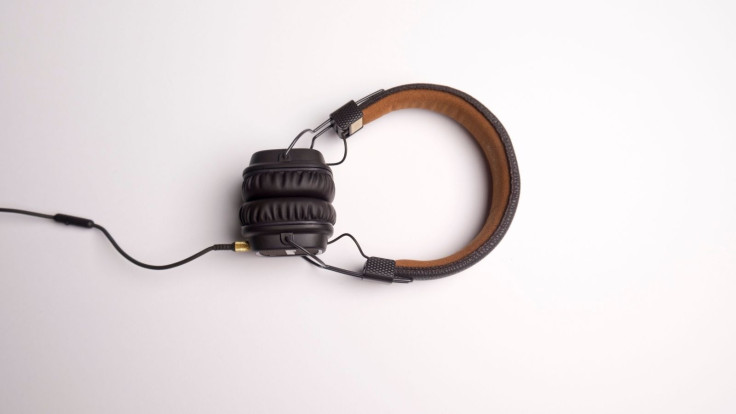
British commuters who play loud music without headphones could face fines reaching £1,000 on trains, while similar behaviour on buses could result in a £100 penalty under a new government crackdown.
Prime Minister Andy Burnham announced the measures on Monday, 19 October 2026, targeting passengers who disturb others by playing music, watching videos or making excessive noise. However, the different penalties reflect separate enforcement systems, and neither fine applies automatically to everyone using a phone without headphones.
Why Train Passengers Face £1,000 Fines
Railway operators already have powers to tackle passengers who create excessive noise or disturb others during journeys.
Under existing railway rules, passengers who refuse requests from authorised staff to stop disruptive behaviour can be removed from trains at the next station. They may also face prosecution, with fines reaching a maximum of £1,000.
The government is launching a nationwide awareness campaign encouraging travellers to use headphones and avoid playing videos or making speakerphone calls that disturb fellow passengers.
The campaign uses the message 'Share the carriage, not the noise', highlighting the expectation that passengers respect shared spaces.
Importantly, the £1,000 figure is not a new automatic penalty for playing music. It represents the maximum court fine under applicable railway rules.
Why Bus Fixed Penalties Are Smaller
Bus passengers in England could face fixed penalties of up to £100 for nuisance behaviour, including excessive noise, vaping and littering. However, approved bus byelaws can also provide for prosecution, with court fines reaching £1,000 depending on local rules.
The government has issued guidance allowing local transport authorities to introduce and enforce byelaws under powers provided by the Bus Services Act 2025.
Unlike the existing railway enforcement system, the bus measures depend on local authorities establishing appropriate rules. Those rules must follow the relevant approval process before enforcement begins.
Officials have also clarified that bus drivers will not be responsible for confronting disruptive passengers or issuing penalties. Instead, enforcement will be handled by authorised transport safety officers or police officers.
The distinction means the £100 bus penalty is not automatically applicable across every service simply because the government has announced its crackdown.
Burnham Targets Everyday Commuter Frustrations
Burnham said passengers should not have their journeys disrupted by people playing music or videos loudly from their phones.
The initiative is part of wider efforts to improve public transport experiences by addressing behaviour that makes shared journeys uncomfortable. However, transport unions have questioned whether the penalties will meaningfully improve conditions for frontline workers.
Unite general secretary Sharon Graham argued that the proposals were insufficient to address the violence and wider challenges facing bus employees. The disagreement highlights a broader question about enforcement: whether introducing penalties will change passenger behaviour without placing additional pressure on transport staff.
For commuters, the immediate lesson is straightforward. Using headphones and following instructions from authorised staff can prevent an everyday annoyance from becoming a potentially expensive offence.
The financial difference is significant, but so is the legal distinction. A £100 bus fixed penalty and a possible £1,000 railway court fine are not interchangeable punishments.
Passengers should therefore understand the rules governing their journeys rather than assume every instance of playing music aloud automatically results in a fine.
© Copyright IBTimes 2026. All rights reserved.