

Andy Burnham Pension Reform: Prime Minister Unveils Structural Modifications and Triple Lock Plans
A hypothetical parliamentary petition would need 10,000 signatures for a government response, amid existing plans to raise the pension age to 67 and later 68
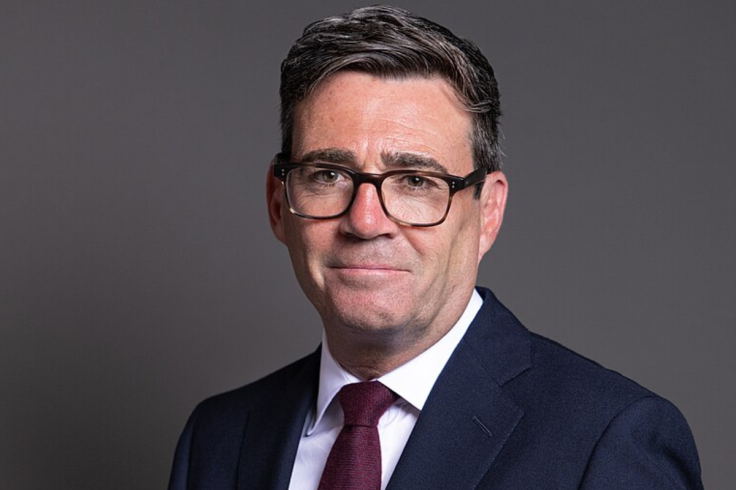
A parliamentary petition calling for the State Pension age to be cut to 65 has put the issue back into focus as Prime Minister Andy Burnham outlines his views on wider changes to pensions and retirement policy. The petition, created by Michelle Gill, is currently open on Parliament's official petitions website and argues that people aged 65 to 67 can face poor health, caring pressures and limited employment options.
For context, the campaign comes as Burnham has used recent Labour events to call for a new approach to social care and has discussed possible changes to the way the pension triple lock could operate. Supporters of reform argue that any future changes should continue to protect pension increases against inflation or a 2.5 per cent floor.
At the time of writing, the petition's signatures had already reached 18,789, meaning it had crossed the threshold that triggers a Government response.
Why the State Pension Age Petition Has Returned to the Spotlight
Gill's petition asks the Government to reduce the State Pension age to 65 for everyone across the UK. Its wording says this could allow people to 'retire with dignity and avoid hardship' while potentially creating employment opportunities for younger workers.
The campaign also focuses on people between 65 and 67, arguing that some face health problems, caring responsibilities and difficulty finding suitable work. Those are claims made by the petitioner, rather than findings independently established by the petition itself.
The timing is significant because Labour figures are already debating wider changes to how retirement and social care are funded. Burnham has argued in speeches for a National Care Service, with personal care for older people based on need rather than ability to pay.
Some proposals for a National Care Service have been linked by commentators to potential future pension reform. One idea is that, if any changes are made to the triple lock in future years, savings could be used to support a new care service. Under that approach, the debate would not be only about cutting or raising retirement benefits but about changing how support in later life is funded.
What the State Pension Age Campaign Could Mean for Policy Debate
The petition faces a steep climb before it can generate formal parliamentary consideration. Under Parliament's rules, an e-petition that reaches 10,000 signatures receives a Government response. At 100,000 signatures, it is considered by the Petitions Committee for debate in Parliament.
For now, the petition is therefore a campaign rather than a parliamentary confrontation with the Government. It also does not mean ministers have agreed to review the current retirement timetable.
The State Pension age is already on a rising timetable. The petition's argument is aimed at reversing this direction of travel by setting the threshold at 65 instead.
Burnham's views on pensions point in a different direction from the petition's aim of reducing the State Pension age. He has suggested that any future adjustments to the triple lock should ensure pensions continue to rise by at least inflation or 2.5 per cent, while taking account of earnings growth over time.
In wider debates about support for older people, proposals have also included measures aimed at household costs. Suggestions have included cutting VAT on domestic energy bills, adjusting the Ofgem price cap and expanding schemes such as the Warm Home Discount to reach more low‑income and older households. These remain ideas under discussion in the political sphere rather than confirmed changes to the system.
For pensioners and people approaching retirement, those measures may matter alongside the headline pension proposals. But they do not alter the State Pension age itself.
The petition remains open on Parliament's website. Having passed the 10,000‑signature threshold for a Government response, it would need to reach 100,000 signatures for the Petitions Committee to consider it for a parliamentary debate.
© Copyright IBTimes 2026. All rights reserved.