New 'Mutant' H3N2 Flu Strain Sends Hospital Admissions Soaring — Are You at Risk?
Hospital admissions soar as the H3N2 flu strain spreads rapidly — experts warn on symptoms and protection

A rapidly spreading 'mutant' H3N2 flu strain is pushing UK hospital admissions to levels not seen in years, with more than 1,700 patients admitted last week, over double the seasonal norm, according to NHS England.
Health experts warn that the new influenza A subclade, known as the H3N2 K-strain, has mutated enough to evade earlier immunity and is now dominant nationwide.
Professor Julian Redhead, Urgent and Emergency Care Director of NHS England, said: 'Today's numbers confirm our deepest concerns: the health service is bracing for an unprecedented flu wave this winter. Cases are incredibly high for this time of year, and there is no peak in sight yet.'
What Makes H3N2 Different?
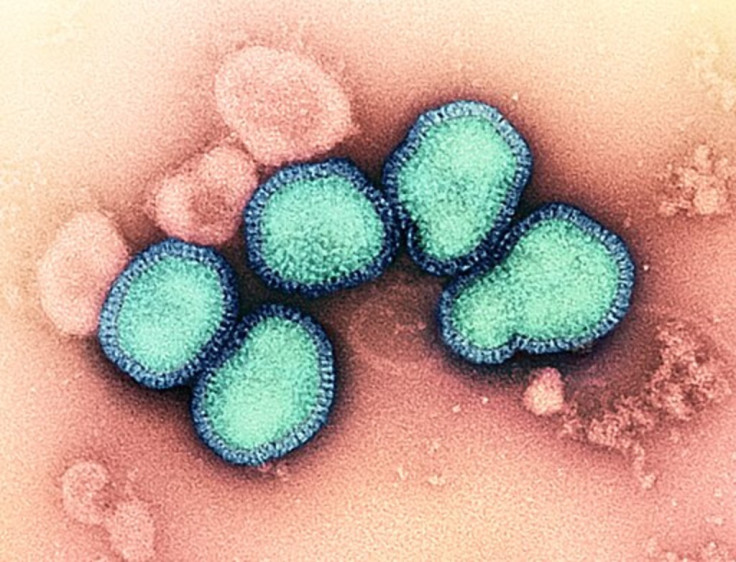
The H3N2 virus has undergone multiple mutations over the summer, making it immune to past infections and vaccines.
According to experts, this is why the number of people falling ill is rising even after vaccination campaigns. It has come to be known as the K-strain, the so-called superflu, which is currently spreading to approximately 90 per cent of flu samples in the UK and Japan and is found worldwide.
The UK Health Security Agency (UKHSA) says that early research indicates the existing flu vaccine is only slightly related to this strain, although vaccination reduces the risk of severe illness and hospitalisation.
Symptoms To Watch Out For
Physicians recommend that the general population watch for typical flu symptoms, which are more severe with H3N2. These include:
- High fever
- Extreme weakness and muscle pains.
- Chest pain and cough
- Headaches and sore throat
- Gestational disorders like nausea.
According to pharmacists, patients are reporting more extended recovery periods than in typical flu cases, with symptoms lasting 2 weeks.
NHS Under Pressure
The increased number of admissions is causing hospitals, which are already under winter strain, to strain even harder. Certain trusts have implemented mask requirements as a prerequisite for entry and employment to prevent transmission.
The recent surveillance report from UKHSA confirms that influenza activity is medium to high, with H3N2 dominant in circulation.
Global Spread And Concerns
The H3N2 K-strain does not exist only in the UK. In Japan, Spain, and parts of the US, cases have soared, prompting renewed interest in mask-wearing and health.
The virologists are also concerned that the strain's rapid mutation rate might prolong the flu season and hinder vaccine development.
Who Is Most at Risk — And How to Protect Yourself
Health authorities emphasise that everyone is susceptible to the K-strain, but the highest-risk groups remain:
- Older adults
- Young children
- Pregnant women
- People with chronic conditions (asthma, heart disease, diabetes)
Notably, hospitals are also admitting healthy adults, highlighting the strain's potency.
The UKHSA continues to recommend flu vaccination, noting that even if protection against infection is reduced, the jab still significantly lowers the risk of severe illness.
Doctors also urge:
- Wearing masks in busy indoor settings
- Frequent handwashing
- Avoiding work or school when sick
- Ventilating shared spaces
With the peak still ahead, authorities say vigilance remains essential. The outbreak of the new H3N2 variant has caused an unprecedented increase in hospitalisations in the UK, raising serious concerns about the UK's resilience to seasonal viruses. As experts suggest that the peak has yet to be reached, vigilance and precaution are essential.
© Copyright IBTimes 2026. All rights reserved.
- MOST POPULAR IN Health