

Poll Reveals Nearly Half of Americans Say Life Is Less Affordable Under Trump's Watch
Growing affordability woes cast long shadow over Trump's economic record
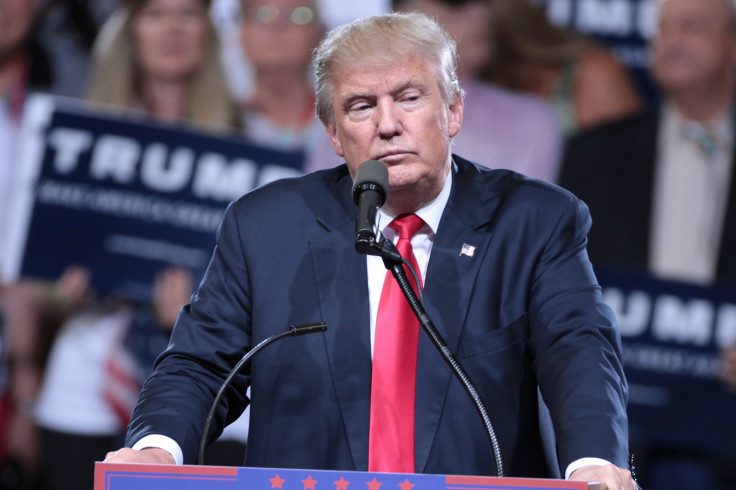
Economic anxiety among Americans has surged to levels not seen in decades, with almost half of adults saying life has become less affordable under President Donald Trump's leadership, according to multiple recent polls and raw polling data. As households across the United States confront rising prices on essentials such as food, housing, and healthcare, public confidence in the US economy is weakening sharply.
The impact is being felt in heartbreaking ways. A detailed survey from The Century Foundation found that one-third of respondents have skipped meals in the past year to cope with rising costs, while nearly two-thirds have switched to cheaper groceries.
Economic Confidence Slips Sharply
A national Reuters/Ipsos poll conducted between 3 and 8 December 2025 found that nearly half of Americans, 46 per cent, say that the cost of living would be the most important factor in deciding who to vote for if the 2026 congressional elections were held today. This poll also revealed that a majority of respondents are critical of the president's handling of affordability issues.
Additional polls show that public dissatisfaction is not confined to the cost of living alone. In a Marquette Law School national survey conducted in early May, net approval of Trump's handling of inflation and the cost of living was deeply negative at minus 32 percentage points. Only 34 per cent approved of his approach, while 66 per cent disapproved, making this one of the lowest-rated aspects of his presidency.
BREAKING: Trump is now declaring words that make him look bad to be “scams.”
— Brian Krassenstein (@krassenstein) December 2, 2025
“The word ‘affordability’ is a con-job by the Democrats… The word affordability is a Democrat scam.”
Trump is the scam!
Every American knows that affordability is a problem. pic.twitter.com/L7ukNMRQdM
Household Strain and Everyday Hardship
The impact of rising costs is reflected in everyday decisions for millions of Americans. Findings from a detailed survey conducted by The Century Foundation show that nearly two-thirds of respondents reported switching to cheaper groceries or reducing food purchases to cope with price increases. One-third said they have skipped meals in the past year, a figure that rises sharply among younger adults and minority groups. Nearly half of those surveyed said they had to withdraw savings to cover routine expenses, while many delayed medical care or medication because of cost concerns.
Seventy-four per cent of Black voters and 72 per cent of women reported scaling back grocery purchases to make ends meet, pointing to disproportionate impacts on historically vulnerable populations.
Political Fault Lines and Shifting Support
The political ramifications of growing economic discontent are already emerging. Polls suggest that even segments of Trump's own base are becoming uneasy with the current cost pressures. A Politico poll indicated that 46 per cent of Americans now describe the cost of living as the worst they can recall, and that many are beginning to attribute this trend directly to Trump's policies rather than external forces.
Among Hispanic voters, affordability concerns are particularly pronounced. A bipartisan poll of Latino voters showed that 54 percent believe the economy has worsened compared to last year, and 70 per cent hold the president and his administration responsible for these economic conditions. This marks a potentially crucial shift in a key electoral demographic. Nationally, dissatisfaction with Trump's economic performance is reflected in declining approval ratings. According to a Reuters/Ipsos poll released in November, only 26 per cent of Americans believed Trump was doing a good job on cost-of-living issues.
Administration Response and Wider Debate
The Trump administration has insisted that affordability concerns are overstated or the result of lingering global economic trends. At multiple public appearances, the president has presented statistics he says show lower inflation and increased wage growth, arguing that broader economic fundamentals remain strong. He has appeared on video affirming that the economy is entering a 'golden age' and that claims of an affordability crisis are politically motivated.
White House officials have also pointed to falling fuel prices and a strong labour market as evidence that inflationary pressures are moderating. However, many economists note that while headline inflation may have eased from its peaks earlier in the decade, core prices for essentials continue to outpace wage growth for many households.
Future Outlook
With affordability now central to public sentiment, political analysts argue that economic perceptions could shape voting behaviour in the upcoming 2026 midterm elections. The combination of lived experience, shifting voter priorities, and policy debates over how best to improve financial security for working families is creating a potent backdrop of economic concern that will reverberate throughout the political landscape.
© Copyright IBTimes 2026. All rights reserved.