

Prince Harry Claims Press Tried To 'Drive Him To Drugs', Royal 'Institution' Blocked Him From Complaining
Prince Harry claims tabloid intrusion left him powerless to respond whilst under Royal Family constraints

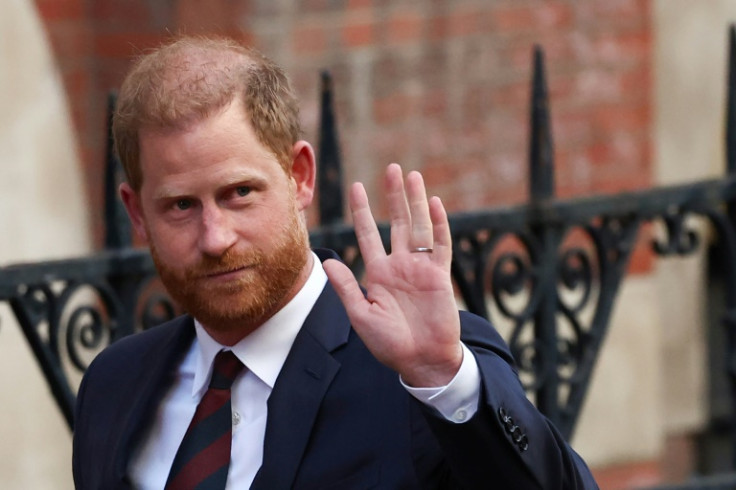
In an emotionally charged testimony at London's High Court on Wednesday, Prince Harry painted a stark picture of media persecution that he claims pushed him to the brink of psychological collapse, describing how tabloid intrusion into his every movement left him convinced he was under constant surveillance.
The Duke of Sussex, testifying for the second time in three years, delivered testimony that shed light on why he felt powerless to speak out against alleged unlawful information gathering tactics when they occurred—pointing to the unwritten rules of the Royal Family that demand silence in the face of press wrongdoing.
'I wouldn't have been able to voice complaints because of the institution I was in,' Harry told the court in reference to Buckingham Palace protocols, invoking the monarchy's long-standing mantra: 'Never complain, never explain.' Speaking from the witness box with visible emotion, the 41-year-old explained that this enforced silence left him feeling trapped, unable to defend himself publicly against stories he insists were built upon illegally obtained information.
Harry is leading a group of seven prominent figures—including Sir Elton John and actress Liz Hurley—in legal action against Associated Newspapers Limited, the publisher of the Daily Mail and Mail on Sunday, over allegations of widespread unlawful information gathering spanning decades. The allegations include phone tapping, bugging of residences, and the deceptive acquisition of private medical and financial records between 1993 and 2011.

'Media Intrusion as a Tool of Control'
What emerged starkly from Harry's evidence was the psychological toll of decades-long media scrutiny that he characterised as deliberately designed to manipulate and exploit him. He described the articles central to his case—14 pieces published between 2001 and 2013—as part of a calculated campaign driven by profit rather than genuine journalism.
'They have turned my wife's life into a complete nightmare,' Harry said, his voice trembling with emotion as he reflected on how press intrusion had affected his marriage to Meghan Markle. He told the court that journalists had engaged in a relentless pursuit he described as 'an obsession to have every aspect of my life monitored,' allowing tabloid competitors to gain exclusive details whilst simultaneously pushing him towards paranoia and isolation.
Harry alleged that the reporters and private investigators working for ANL fabricated quotes and obscured their true sources, presenting stories as though they had come from willing sources within his social circle when, in reality, they had been obtained through illicit means.
When questioned by ANL's lawyer, Antony White, about whether his friends might have leaked details at social gatherings, Harry firmly rejected the suggestion, stating: 'I have never believed that my life is open season to be commercialised by these people.'
The Royal Gagging Order That Kept Him Silent
A crucial element of Harry's defence of his decision not to lodge complaints when articles were published centres on the suffocating constraints placed upon him as a royal. He revealed that complaining often made matters worse, intensifying scrutiny rather than resolving disputes.
The Royal Family's institutional preference for turning a blind eye to inaccuracy—what Harry characterised as 'it was more about ignoring it'—left him with little recourse and no viable path to challenge the narratives being constructed about his private life.
This systemic silence, Harry argued, effectively prevented him from exercising any meaningful right to reply at the time the harm was being done, a fundamental injustice he sought to address through his legal action.
As Harry concluded his testimony on Wednesday afternoon, he appeared visibly shaken, reflecting on his 'recurring traumatic experience.' He insisted that pursuing the case serves the public interest, holding Associated Newspapers accountable 'for everyone's sake.' His words underscored his struggle with the human cost of decades spent defending his reputation against an institution that demanded his silence.
ANL has unequivocally refuted all allegations of misconduct, asserting that its journalists employed legitimate sources for their reporting.
© Copyright IBTimes 2026. All rights reserved.