Does King Charles Fund Andrew's Lavish Lifestyle? Royal Reportedly 'Stuck Indoors Watching Movies' Under New Deal
A reported royal bargain of comfort for invisibility leaves Andrew out of sight, but not quite out of the frame.
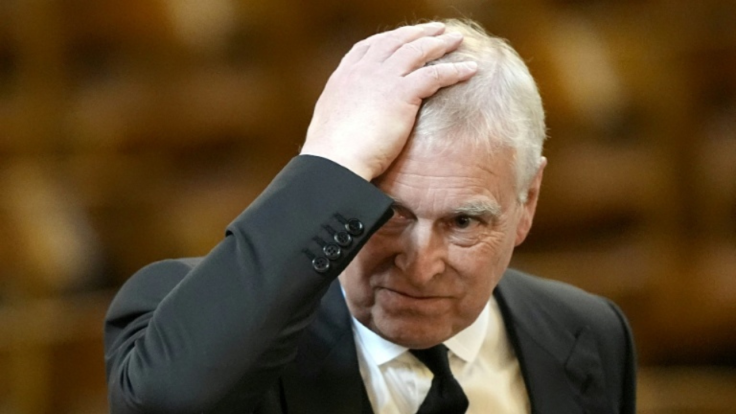
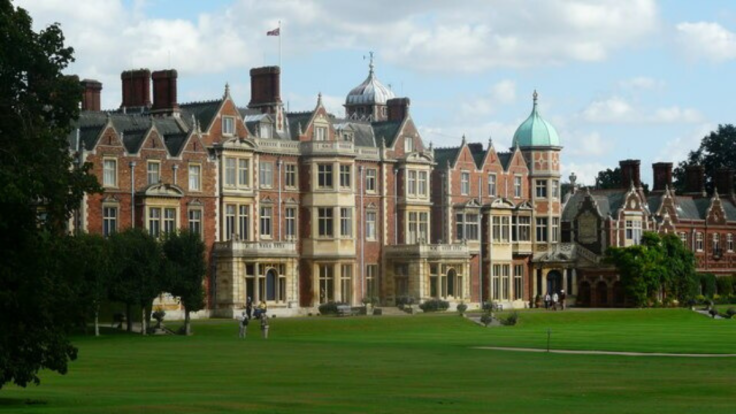
Prince Andrew has reportedly been living under tight informal restrictions at a residence on the Sandringham estate in Norfolk since leaving Royal Lodge last month, with King Charles said to be funding his lifestyle in return for keeping his younger brother out of public view.
Andrew recently moved from his long-time home at Royal Lodge to a new property at Sandringham, where life has become markedly more secluded. The central claims come from unnamed insiders, so there is no independent confirmation that any such arrangement exists, that Andrew is formally confined, or that every restriction described is in force.
The Sandringham Arrangement
Andrew, now 66, is said to be effectively hidden away on the Norfolk estate while King Charles, 77, seeks to prevent his brother's presence from turning into what one insider called a 'constant media spectacle centred on Andrew's movements.'
That, in itself, shows what matters most. Not rehabilitation, not explanation, not even redemption. The alleged priority inside the palace is containment. One source says the aim is to 'reduce exposure at every level,' by limiting sightlines, restricting access and making sure the residence cannot easily become a magnet for photographers.
The arrangement is less a family compromise than a distinctly royal form of quarantine. Charles III has made clear that if Prince Andrew wishes to continue living in comfort, he must remain 'locked away.' The understanding is described as unofficial, but no less pointed for that.
Another insider says there is 'a clear effort to draw a boundary between the constitutional role of the monarch and the personal difficulties facing a member of the family.' It is a neat line, and a revealing one. The monarchy's problem, in this account, is not only Andrew himself but the risk that he continues to drag headlines back towards scandal.

Prince Andrew Behind Closed Doors
Andrew was apprehended by British police at his new home on Feb. 19 on suspicion of misconduct in public office and released after 11 hours in custody.
Former Prince Andrew, now Andrew Mountbatten-Windsor, was arrested Thursday by Thames Valley Police during a raid on his Sandringham Estate for suspected misconduct in public office for his relationship with convicted sex offender and trafficker Jeffrey Epstein, a relationship… pic.twitter.com/1nAqIKn3dS
— OSINTdefender (@sentdefender) February 19, 2026
The security around the property is described as extensive. It says Andrew is heavily guarded by security and protection officers and that a six-foot fence, further perimeter fencing, CCTV cameras and outdoor lighting have all been installed. Whether that is about personal safety, privacy, optics or all three at once is left unsaid, though the answer may well be obvious.
Andrew is not allowed to leave Sandringham and has been banned from riding his horses. Royal author Andrew Lownie is quoted saying he is 'stuck indoors watching movies all day,' before adding, 'I hear he's not even allowed to go out the front door to go horseback riding.'
Those lines have colour, certainly, but they also underline how much of this account rests on second-hand description rather than on-the-record confirmation. That does not make it false. It does mean readers are being asked to accept a highly specific private arrangement on trust. In royal reporting, that is often how these stories surface,which is why they frequently occupy the uneasy space between plausible and proven.
Still, even on its own terms, the story carries an unmistakably chilly logic. Keep Andrew comfortable, keep him unseen, keep the monarchy moving. If there is a bargain here, it appears to be built less on forgiveness than on distance, with Sandringham serving not as a refuge so much as a line drawn around a problem the palace would rather not see step outside.
© Copyright IBTimes 2026. All rights reserved.
- MOST POPULAR IN Royals