

Prosecutors Demand a 10-Year Sentence for Former South Korea President Yoon Suk Yeol for Failed Martial Law
Yoon's enactment of martial law only lasted for hours
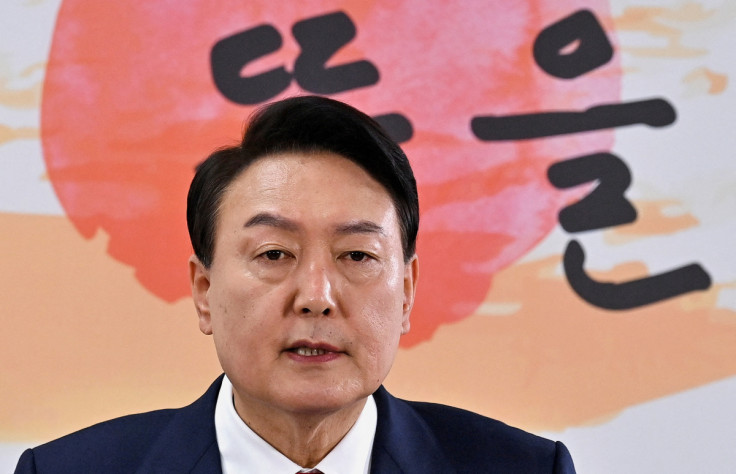
In a significant development in South Korea's ongoing political turmoil, independent counsel Cho Eun-suk has demanded a 10-year prison sentence for ousted President Yoon Suk Yeol. This request marks the conclusion of the first of seven criminal trials linked to Yoon's controversial attempt to impose martial law in 2024.
The charges in this initial case focus on obstruction of official duties, abuse of power, falsification of official documents, and destruction of evidence. Yoon's legal team has dismissed the demand as excessive, accusing the prosecution of political bias and insufficient legal justification.
The Failed Martial Law Declaration
Yoon's brief imposition of martial law in 2024 plunged South Korea into its most severe political crisis in decades. Armed troops were deployed onto the streets of Seoul, sparking widespread alarm. However, the measure lasted only a few hours.
Opposition lawmakers swiftly convened in the National Assembly and voted to overturn it. This led to Yoon's impeachment by the opposition-dominated parliament in December 2024, followed by his formal removal from office after a Constitutional Court ruling in April 2025.
The Associated Press were told that the prosecution alleges Yoon of bypassing the required full Cabinet meeting before declaring martial law. They further claim he fabricated documents related to the proclamation and instructed the deletion of data from phones used by those involved.
According to investigators, Yoon had been plotting this move for over a year to eliminate political rivals and consolidate power.
Obstruction and Standoff
A key element of the charges stems from Yoon's resistance following his impeachment. He barricaded himself in his residence for weeks, impeding authorities' efforts to execute a detention warrant.
This standoff raised fears of violent confrontations between Yoon's presidential security detail and law enforcement, exacerbating national divisions. Senior investigator Park Eok-su described Yoon's actions as an unprecedented obstruction of official duties during the court session.
Yoon's defence maintains that the detention warrant was invalid and unlawful. He has consistently denied the allegations, insisting that the martial law decree was intended to rally public support against the Democratic Party, which he accuses of obstructing his agenda and impeaching his key officials.
Broader Allegations and Upcoming Trials
Beyond this case, Yoon faces six additional trials on serious charges, including corruption, favour trading, and rebellion, the latter of which could result in life imprisonment or even the death penalty. The rebellion trial is also approaching its end.
Other accusations involve ordering provocative drone flights over North Korea to heighten tensions and justify martial law, manipulating an investigation into a marine's drowning in 2023, and committing perjury in his prime minister's trial. Yoon is also charged with accepting free opinion surveys from an election broker in exchange for political favours.
Yoon denies knowledge of the drone flights and rejects claims of wrongdoing in the influence-peddling scandal. The Seoul Central District Court is anticipated to deliver a verdict in this first trial as early as next month, potentially setting the tone for the remaining proceedings.
This series of trials underscores the deep polarisation in South Korean politics, with Yoon's actions continuing to fuel debates over governance and accountability. As the nation watches, the outcomes could reshape public trust in its institutions.
© Copyright IBTimes 2026. All rights reserved.