

The Real Reason TikTok is Being Uninstalled at Alarming Rates by Americans
Why Privacy Concerns and Data Fears Are Pushing Americans Off TikTok
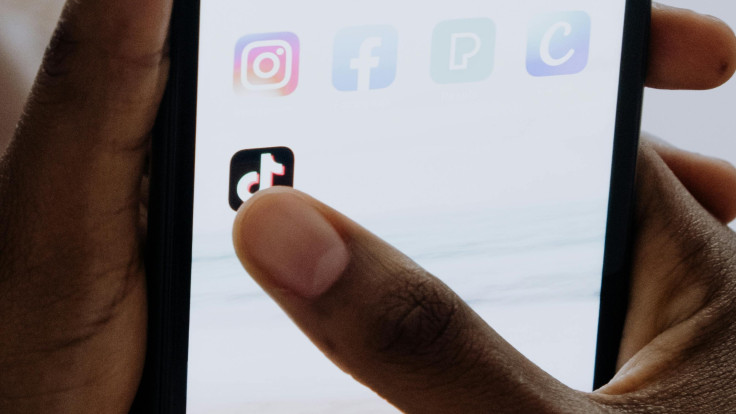
TikTok might be in real big trouble. Over the last week, something unusual has happened on millions of smartphones in the United States. TikTok, which was once seemingly an everyday need for many users, has suddenly seen a giant rise in uninstalls, with figures of removals reportedly coming up by nearly 150%.
This shocking trend of uninstalling is happening when the app was meant to be entering a new era in America, after a big deal that changed control of its US operations into a majority-American ownership structure. The increase in people deleting TikTok has shocked the world because it runs counter to the platform's massive growth story in the country.
It is not hyperbolic to say that TikTok has become essential to youth culture, mainstream media, advertising strategies and everyday online life, especially in America, making this trend of uninstalls a matter of real worry for the company, its investors and all of social media in the United States. It is not just the raw numbers, the story also reveals a bigger story, which is about growing scepticism, data handling, frustration among creators, and even political worries over the platform's future direction.
What Happened with TikTok in America
Now, earlier this month, TikTok started a new era in its legal and regulatory saga in the United States by establishing a new corporate structure made to keep the platform alive in the American market. As part of this transition, TikTok's US operations were spun off into a newly formed entity called TikTok USDS Joint Venture LLC, which is now majority-owned by American investors and technology firms, with ByteDance, the China-based parent company, retaining a minority stake of less than 20%.
Moreover, this change did not just happen overnight. It was the culmination of years of political pressure from lawmakers worried that TikTok's Chinese ownership might give the Chinese government access to sensitive American user data. Those worries were codified in US law when Congress passed the Protecting Americans from Foreign Adversary Controlled Applications Act, which effectively required TikTok to divest its US business or face a ban.
#EndOfTikTok pic.twitter.com/byU9P8TZXX
— THEODORE WELTON (@DIEZELCHRIST) January 27, 2026
Then, in response, TikTok struck a deal with American technology companies and investors, including Oracle, Silver Lake and MGX, to create the joint venture. The logic was simple: satisfy regulatory demands, keep the app operating, and reassure users that their data and content would be governed under American oversight and law. Promises were made that US user data would be stored securely within the country, that algorithmic systems would be retrained on US data, and that content moderation and trust and safety policies would be overseen by this new structure.
However, rather than calming fears, the announcement appears to have caused new public unease, leading to the CNBC reported 150% uninstall rate.
Why People Are Uninstalling TikTok
So why exactly are so many Americans choosing to delete an app that was not only popular but had been growing steadily just weeks ago? The answer is multi-layered, based in a mix of privacy concerns, political distrust and social behaviour changes.
Almost immediately after the change was revealed, users in the US were confronted with prompts to accept updated terms of service and privacy policies. These updates detailed the kinds of data TikTok may collect about its users, reportedly including sensitive information such as racial or ethnic origin, immigration status, sexual orientation and precise location data, even though much of this language had been part of earlier policies, as per reports.
The real power is in the hands of the people.
— 🇰🇼Bader O. Alghamdy (@ghamdy78) January 27, 2026
Imagine if 80–90% of users simply walked away from TikTok , the platform would collapse overnight.
No amount of money, lobbying, or political pressure can survive when the public refuses to participate.
That’s the reality: platforms… pic.twitter.com/TdW6dlalkk
Furthermore, technical glitches, including outages and failed video uploads in the days following the transition, only made things worse for TikTok. Some influencers reported that their creators' accounts were showing zero views and slow loading times, contributing to a perception that TikTok was not functioning as reliably as expected under the new regime.
The most obvious driver has been the updated terms of service and privacy policy that users were asked to agree to after the joint venture announcement. Even though much of the language around data collection was not new, its visibility at this moment of transition led many users to reassess what they were comfortable sharing with TikTok. Posts on social platforms such as X and Reddit talked about anxiety about data being collected under a US entity.
BREAKING:
— Megatron (@Megatron_ron) January 27, 2026
🇺🇸TikTok uninstalls are up 150% following the Larry Ellison took over the platform in the US - CNBC News pic.twitter.com/5P1nQQQW6m
Comment
by u/wiredmagazine from discussion
in TikTok
Comment
by u/wiredmagazine from discussion
in TikTok
Comment
by u/wiredmagazine from discussion
in TikTok
Another huge factor is political reaction and mistrust. Some people claimed, though disputably, about the unfair suppression of politically sensitive content.
— ⋈ (@thekash) January 27, 2026
— Impeach Trump a 3rd Time! (@Christo12919382) January 27, 2026
Creators, especially, seem more likely to reconsider their relationship with TikTok. Many influential figures and content producers depend on consistent engagement and clear monetisation rules. Reports of technical issues, ambiguity around content policy under the new structure and the overall uncertainty of the platform's direction have prompted some to explore alternatives such as Instagram, YouTube and other short-video apps that promise fewer interruptions and greater control. Whether TikTok will regain the trust of the people it reportedly lost is yet to be seen.
© Copyright IBTimes 2026. All rights reserved.