

Samsung on Course for Biggest Quarterly Profit in Tech History With an $80B AI Windfall
Samsung's forecast profit would top Nvidia's $63.7 billion quarterly record
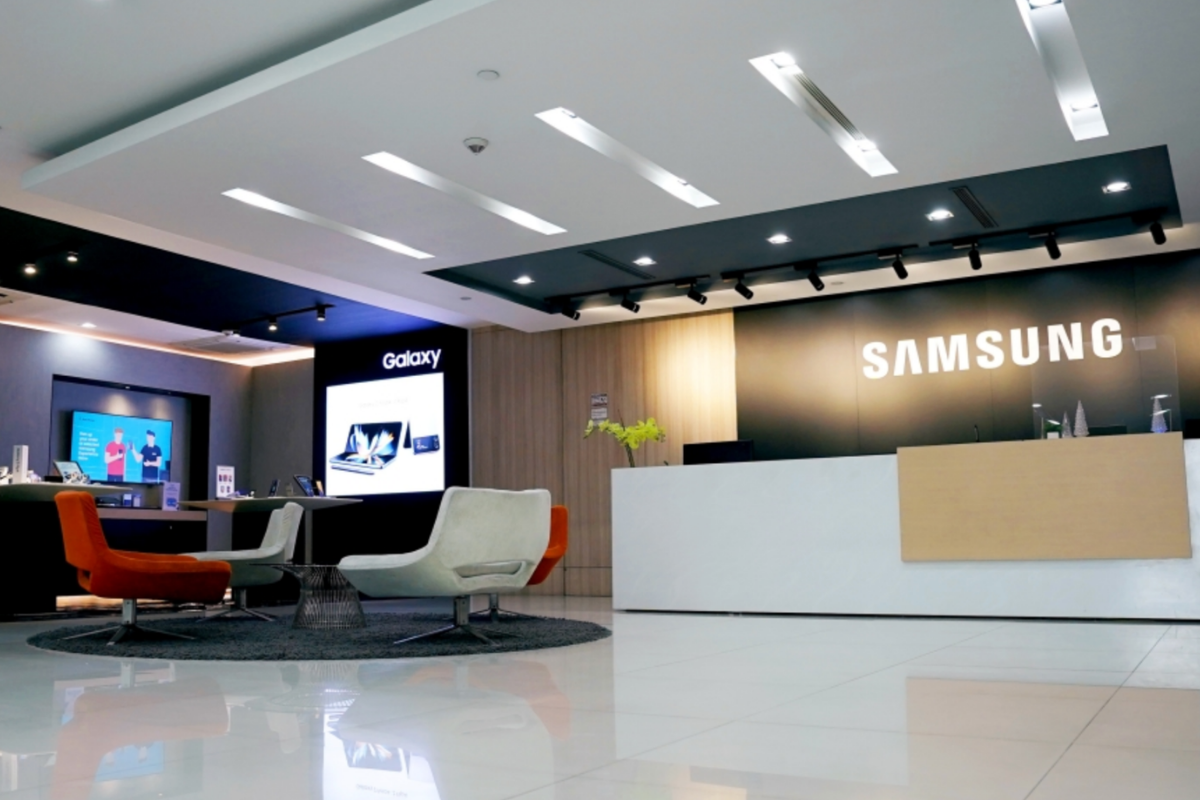
Samsung Electronics is on course to post the biggest quarterly profit in the history of the technology industry, after estimating on Thursday 8 October that surging demand for artificial intelligence memory chips lifted its third-quarter operating profit to about 107.4 trillion won ($80.2 billion, £60.1 billion).
The preliminary figure is 782.5 per cent higher than the 12.17 trillion won ($9.1 billion, £6.8 billion) the South Korean group made a year earlier. Sales are estimated at roughly 195 trillion won ($145.6 billion, £109.1 billion), up 126.6 per cent. Both remain estimates until Samsung publishes full results, including net income and a divisional breakdown, on 29 October.
No technology company has previously reported more than 100 trillion won in operating profit in a single quarter. Nvidia recorded operating income of $63.7 billion (£47.7 billion) in the three months to 26 July, according to its filing with the US Securities and Exchange Commission. Samsung's estimate is about $16.5 billion (£12.4 billion) larger.
The profit estimate beat the 106.1 trillion won ($79.2 billion, £59.4 billion) forecast by analysts polled by LSEG. Sales, however, missed the 200.64 trillion won ($149.8 billion, £112.2 billion) brokerage consensus cited by The Korea Times, which noted that analysts expected a sharp rise in the won against the dollar to weigh on results.
'Samsung has delivered a record profit and still fallen short of expectations, which tells you just how demanding the AI trade has become,' Josh Gilbert, lead APAC analyst at eToro, told CNBC.
Four Straight Record Quarters
The estimate is Samsung's fourth consecutive record quarter. Operating profit reached 20.1 trillion won ($15 billion, £11.2 billion) in the last three months of 2025, 57.2 trillion won ($42.7 billion, £32 billion) between January and March, and 89.49 trillion won ($66.8 billion, £50.1 billion) between April and June.
The quarter alone is worth almost two and a half times the 43.6 trillion won ($32.6 billion, £24.4 billion) Samsung earned in all of 2025.
How AI Memory Drives the Windfall
Analysts put the memory business's operating profit at around 110 trillion won ($82.1 billion, £61.5 billion), more than the group total. Cloud providers building AI data centres are buying high-bandwidth memory, the stacked chips that feed data to AI processors, and Samsung supplies its sixth-generation HBM4 for Nvidia's Vera Rubin platform.
Conventional DRAM prices also kept rising at double-digit rates, as chipmakers shifted capacity to AI products, although more slowly than in the second quarter.
The same price surge is hurting Samsung's own devices. Brokerages estimate its Device Experience division, which makes smartphones, TVs, and home appliances, lost between 1.1 trillion won ($821 million, £615 million) and 2.64 trillion won ($2 billion, £1.5 billion), its second quarterly loss in a row.
Counterpoint Research estimates memory now makes up 43 per cent of the component cost of a typical premium smartphone, up from 14 per cent a year earlier.
Co-chief executive Roh Tae-moon pledged earlier this year not to pass the full cost increase on to consumers, but Samsung has since raised US prices of its Galaxy S26 phones by $100 to $200 (£75 to £150).
Shares Slide Despite the Record
Samsung shares closed 2.42 per cent lower at 262,000 won ($196, £147), while the benchmark KOSPI fell 2.62 per cent to 6,625.93. Markets across Asia retreated after Wall Street slipped from record highs and Brent crude rose above $103 (£77) a barrel amid fears of further US strikes on Iran.
Foreign investors have been net sellers for eight straight sessions since 28 September. The shares are about 30 per cent below their 19 June record of 374,500 won ($280, £210), after brokerages cut price targets over fears that memory prices had peaked, that new supply would weigh on the market in 2027, and that Chinese rivals such as CXMT were gaining ground. They remain almost four times higher than a year ago.
Nick Puckrin, founder of Coin Bureau, told The Korea Times that memory has historically been a cyclical business. 'I don't think we're about to see a collapse, but the insane returns investors have enjoyed so far are likely a thing of the past,' he said.
Sanjeev Rana, head of North Asia semiconductor research at CLSA, expects the upcycle to outlast previous booms as supply takes time to catch up. 'Memory has now become the most critical and strategic layer in the entire AI stack,' he told the newspaper.
TSMC Also Posts Record Sales
Taiwan's TSMC, the contract chipmaker for Nvidia and Apple, said on Thursday that September revenue rose 54.6 per cent from a year earlier to NT$511.86 billion ($16 billion, £12 billion). Its monthly figures put third-quarter revenue at about NT$1.49 trillion ($46.8 billion, £35.1 billion), above its own guidance of $44.6 billion to $45.8 billion (£33.4 billion to £34.3 billion).
TSMC reports full results on 15 October. Nvidia, which has guided to revenue of about $108 billion (£80.9 billion) for its current quarter, reports in November.
© Copyright IBTimes 2026. All rights reserved.