

Trump Bypasses Congress to Give Oil Firms Insider Access to Venezuela Resources
Controversial US action links military intervention to oil access and executive power
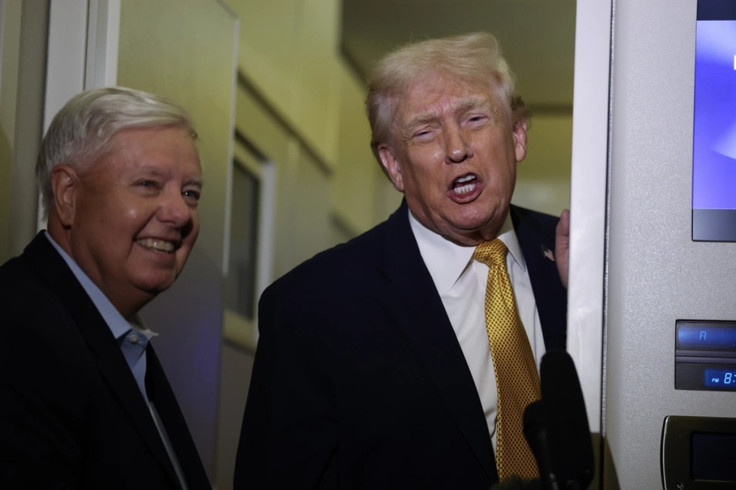
Trump has effectively authorised American oil interests to access Venezuela's vast oil resources without explicit congressional approval following a US military operation that ousted President Nicolás Maduro. The move has triggered global alarm, legal challenges and intense debate over executive power and energy geopolitics.
The Trump administration's actions, including the capture of Venezuela's head of state and the intent to channel US oil companies into Venezuelan reserves, represent a dramatic departure from traditional diplomatic and legislative processes. Critics contend that the measures amount to executive overreach with significant implications for international law and economic control.
Executive Authority and Military Action
The United States launched a military operation targeting Venezuelan military sites and senior government officials. Elite US forces captured President Maduro and his wife in Caracas and transported them to the United States to face federal charges of narco-trafficking and terrorism-related conspiracies, according to official sources and live reports from major outlets.
At a subsequent press briefing, President Trump announced that the US would 'run the country until such time as we can do a safe, proper and judicious transition', emphasising the role of American oil firms in rebuilding Venezuela's crumbling petroleum infrastructure.
Secretary of State Marco Rubio later clarified that the US would not govern Venezuela directly but stressed that an 'oil quarantine' on sanctioned tankers and continued leverage over the sector would remain central to US policy.
This sequence of decisions, executed without new authorisation from the US Congress, has raised constitutional questions. Historically, US military engagement and foreign economic commitments require some degree of congressional oversight or formal authorisation. Legal experts have already flagged concerns that components of the operation may exceed presidential war powers and executive sanctioning authority.
Oil Sector Access Without Congressional Oversight
President Trump's remarks, portrayed widely in video statements and press coverage, were explicit in connecting US corporate involvement to Venezuela's oil resources. He stated that major American oil companies would 'go in, spend billions of pounds fixing the badly broken infrastructure and start making money for the country', clearly indicating that US firms could operate in Venezuela's oil fields following the intervention.
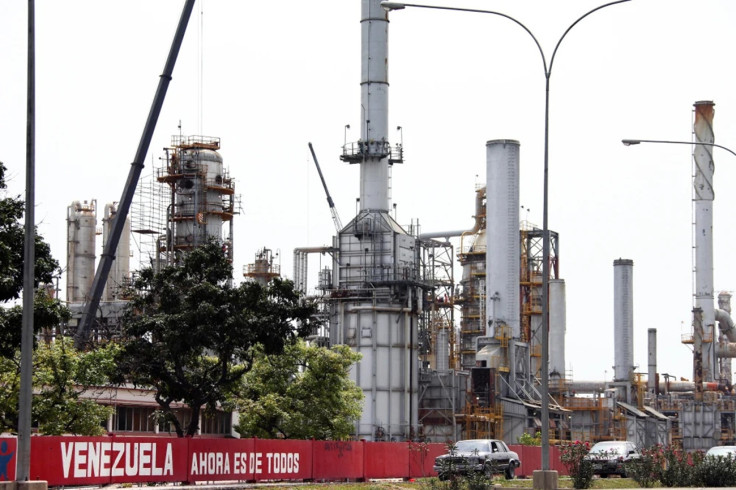
Venezuela holds the world's largest proven oil reserves, accounting for approximately 17% of global crude oil availability, according to energy industry data. Despite decades of sanctions and declining production, the country's vast potential remains a strategic asset. Trump's emphasis on oil access comes amid his repeated statements that US companies will rebuild and profit from Venezuelan oil infrastructure, contrasting with prior licensing regimes.
Under previous US sanctions frameworks, including those extended under Treasury Department directives and executive orders like Executive Order 14245, the United States imposed wide tariffs and restrictions on Venezuelan oil components, partly to deter third-party oil trade benefiting the Maduro government. Trump's new direction implicitly shifts from sanction enforcement to commercial access without direct congressional sanctioning.
Chevron and Shifting Licensing Landscape
Prior to these developments, the Trump administration had already reshaped US policy on Venezuelan oil. In early 2025, Trump revoked licences that previously allowed Chevron to operate in Venezuela under terms set by his predecessor, citing unmet political conditions and an absence of electoral reforms by Maduro.
Subsequently, discussions emerged about limited authorisations allowing Chevron and potentially other Western energy firms to maintain operational continuity in Venezuela under tightly constrained terms, although officials at the time stressed that no direct financial benefit would flow to Caracas.
Now, Trump's broader stated ambition for US oil firms to enter and exploit Venezuelan resources goes beyond licensing nuance. It suggests a pathway for private sector access that sidesteps congressional approval. This issue has not been clearly addressed in publicly released legal documents, raising immediate concerns among constitutional scholars.
The implications of this policy shift extend well beyond immediate geopolitical theatre. Granting US oil firms preferential access to Venezuela's reserves could reshape global oil markets, influence OPEC dynamics, and undercut the foothold of rival powers, notably Russia and China, which have deep energy ties with Caracas.
© Copyright IBTimes 2026. All rights reserved.