

Trump 'Feels Even Worse' About Renee Good's Death Than Alex Pretti Because Her Parents Were 'Trump Fans'
Trump's remarks on two controversial Minneapolis deaths ignite political and legal backlash amid conflicting official accounts

Donald Trump has ignited a firestorm of controversy after admitting he feels 'even worse' about the fatal shooting of 37-year-old mother Renee Nicole Good because her family were 'tremendous Trump fans'.
In a high-stakes interview with Fox News host Will Cain on Tuesday, 27 January 2026, the President contrasted his reaction to Good's death with that of Alex Pretti, a VA nurse killed by Border Patrol agents just days prior.
While Trump described both Minneapolis killings as 'terrible', his explicit qualification of grief based on political loyalty has drawn sharp rebukes from critics who accuse the administration of politicising federal law enforcement fatalities.
As 'Operation Metro Surge' continues to draw national scrutiny, Trump confirmed he is now moving to 'de-escalate' the situation in the Twin Cities, though he remains firm that his mass deportation agenda is not a 'pullback'.
The comments came amid ongoing investigations into the deaths of Good, a 37-year-old mother of three, and Alex Pretti, a 37-year-old ICU nurse killed weeks later during protests.
As scrutiny mounts over federal immigration enforcement tactics, Trump's framing has fuelled accusations that the administration is politicising civilian deaths rather than addressing accountability, transparency and the use of lethal force by federal agents.
Federal Agents Kill Renee Good During Minneapolis ICE Operation
The President's comments follow weeks of escalating tension in Minneapolis, where two US citizens were killed by federal agents in January 2026.
Speaking from Iowa, Trump revealed that he learned of Good's father's support during a prior CBS interview, leading him to offer a rare, partisan-tinged eulogy. 'I'm not sure about his parents [Pretti], but I know her parents were big Trump fans,' Trump stated, adding, 'Makes me feel bad anyway. But I mean, I guess you could say even worse.'
Renee Nicole Good, 37, a US citizen and mother of three, was shot and killed by an Immigration and Customs Enforcement (ICE) agent in Minneapolis on 7 January 2026.

Local medical authorities have officially ruled Good's death a homicide. The Hennepin County Medical Examiner's Office classified her death as caused by multiple gunshot wounds inflicted by law enforcement during what was part of an intensified federal immigration enforcement operation known as Operation Metro Surge.
OMG the NYT has a new video analysis of Renee Good's shooting which is careful, accurate, and clear .
— Furkan Gözükara (@FurkanGozukara) January 16, 2026
The conclusions are inescapable. Ross placed himself at risk, then leaned towards the car with his feet well clear as Renee Good tried to pivot and drive away. pic.twitter.com/IksQeed5Ey
Federal officials have defended the agent's conduct, with the Department of Homeland Security (DHS) and ICE characterising the incident as a necessary use of force while attempting to detain an individual allegedly involved in immigration violations. Good's family and legal representatives have disputed that account. They argue that video and eyewitness evidence contradict the claim that she posed a threat to agents at the time she was shot.
Legal analysts say that Good's death may prompt complex civil litigation questioning ICE's immunity from state prosecution, with potential implications for future law enforcement accountability.
Trump publicly acknowledged on 20 January 2026 that ICE 'is gonna make mistakes sometimes,' and mentioned that Good's parents were supportive of him, a detail he reiterated in his 27 January interview.
Second Shooting: The Death of Alex Pretti and Legal Battles
Just over two weeks after Good's death, federal Border Patrol agents shot and killed 37-year-old Alex Jeffrey Pretti on 24 January 2026 during protests erupting across Minneapolis that were, in part, a response to Good's killing.
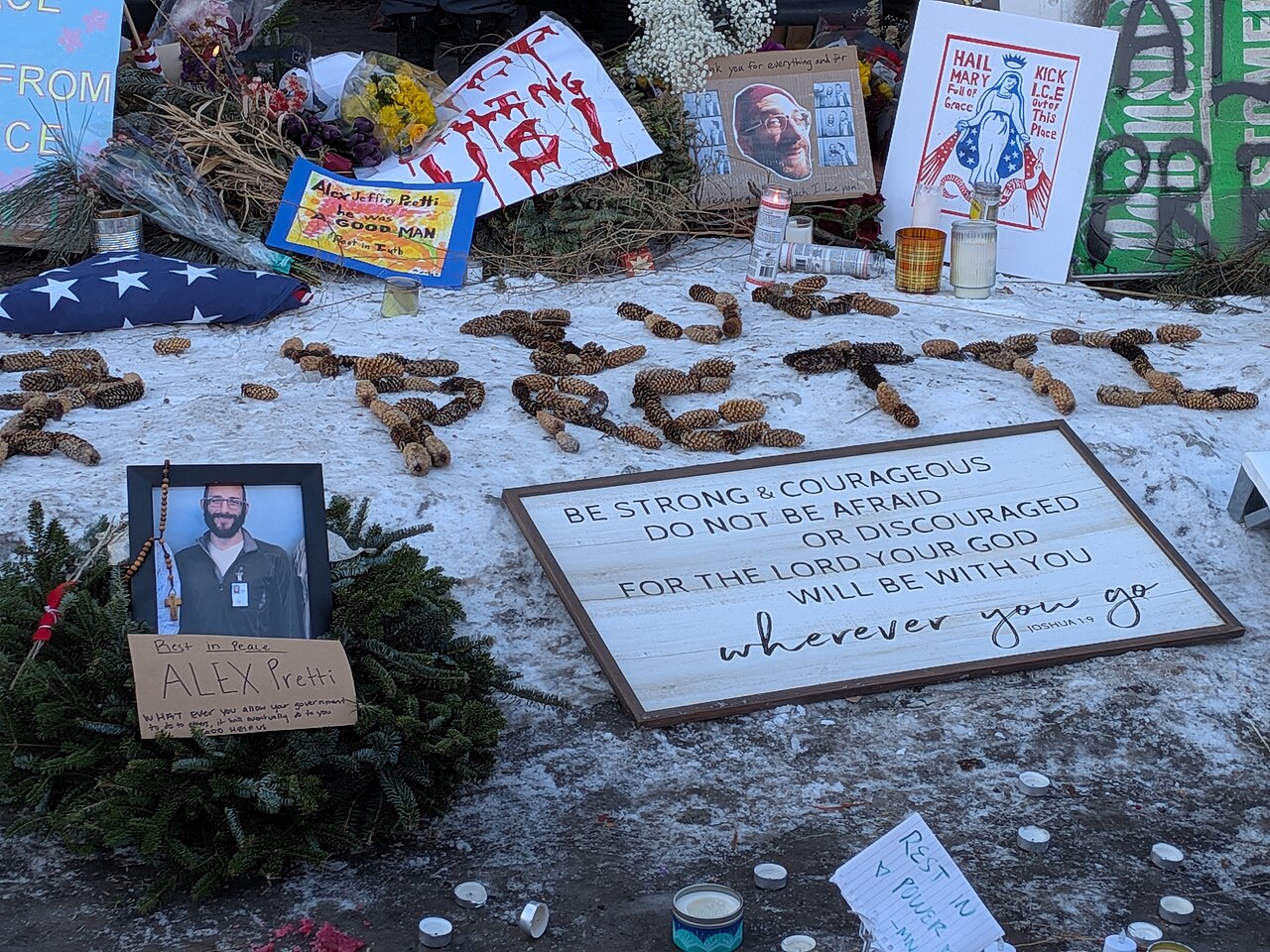
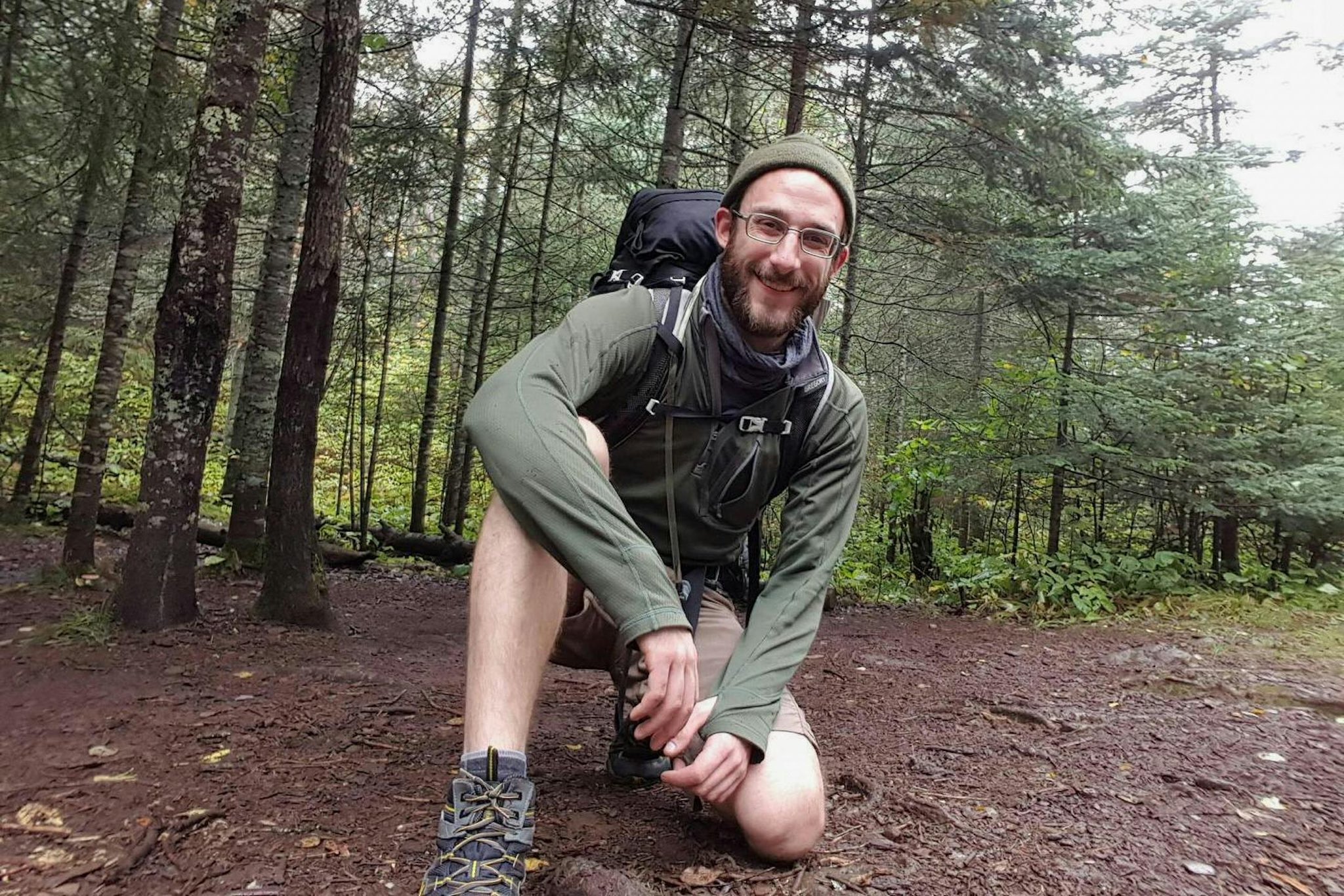
Pretti, a registered ICU nurse at the Minneapolis Veterans Affairs hospital and local resident, was participating in demonstrations against federal immigration enforcement when he was fatally shot. Official DHS accounts initially asserted that Pretti was armed and resisted arrest, a narrative contested by multiple witness accounts and video evidence indicating he was attempting to assist another person and was not posing an aggressive threat when officers opened fire.
Alex Jeffrey Pretti, was fatally shot by federal officers in Minneapolis this morning. The shooting follows the previous shooting death of Renee Nicole Good by an agent on Jan. 7 in south Minneapolis. Pretti was a ICU nurse with the VA hospital, a graduate of the University of… pic.twitter.com/6z1Rr0bsYb
— Maria Shriver (@mariashriver) January 25, 2026
Minnesota authorities, including the state attorney-general's office, have obtained a temporary restraining order from a federal judge barring DHS and other federal agencies from destroying or altering evidence related to the Pretti shooting, highlighting the intensifying legal scrutiny of federal conduct.
The conflicting accounts have led to a flurry of legal and political pressure points. Local officials and civil rights attorneys are pushing for independent investigations, while federal agencies maintain that internal reviews are ongoing.
Political Backlash and Public Response
Trump's comments about feeling 'even worse' about Good's death because her parents were his supporters have struck many critics as a politicisation of deeply traumatic events involving the loss of life. Opposition lawmakers called the remarks tone-deaf, arguing that the president should focus on accountability and justice rather than personal emotional comparisons.
President Trump said that he feels even worse about Renee Good’s death than Alex Pretti because her parents were “Trump fans.”
— AF Post (@AFpost) January 28, 2026
Follow: @AFpost pic.twitter.com/DvvJ9XCMQe
Public reaction has been similarly intense. Demonstrators in Minneapolis and across the United States have continued to mobilise, framing both deaths as emblematic of a broader pattern of excessive use of force by federal immigration agents. Peaceful rallies have been accompanied by vigils and calls for comprehensive policy reforms to federal law enforcement operations in urban areas.
In a separate response, former President Barack Obama condemned the shooting of Alex Pretti as a 'heartbreaking tragedy,' urging Americans to pursue peaceful protest and a transparent investigation into the circumstances.
Trump's stance on immigration enforcement has been at the forefront of his administration's policy agenda. But his personal framing of these deaths has added another layer of controversy at a moment when public trust in federal law enforcement is fracturing along partisan lines.
Legal analysts noted that singling out a single victim for family politics risks undermining public confidence in impartial justice. Community leaders in Minnesota described the comments as deeply insensitive to grieving families and damaging to already strained relations between federal authorities and local communities.
© Copyright IBTimes 2026. All rights reserved.