

Trump Mobile Data Leak Raises Security Questions After 3,615 Records Surface Online
The dataset reportedly contains contact and order details, while the alleged route into Trump Mobile systems remains unverified
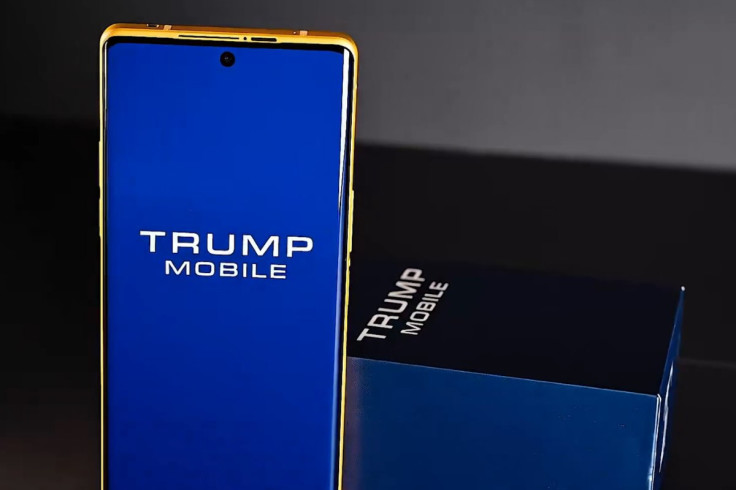
A reported Trump Mobile data leak has put the security of the wireless company's wider technology chain under scrutiny after a dataset listing 3,615 people surfaced online with names, email addresses, phone numbers, home addresses, and order information.
The records were published by the cybercrime group BYOD, which claims it gained access to Trump Mobile systems and warned the company about the alleged intrusion. BYOD also claims Trump Mobile responded, 'We have no team to handle this,' but that exchange has not been independently authenticated.
The more significant question may be what happened between the alleged initial intrusion and the customer information appearing online. Trump Mobile operates as a mobile virtual network operator, meaning it relies on underlying carrier networks and other technology providers rather than owning its own wireless infrastructure.
The 3,615-Record Dataset Is Not 3,615 Confirmed Customers
The dataset reportedly contains first and last names, email addresses, telephone numbers, home addresses, and details connected to customer orders. Some people contacted during reporting confirmed that information attributed to them was accurate. Others, however, said they were not Trump Mobile customers.
That distinction is important. The figure of 3,615 should therefore be treated as the number of records identified in the dataset, not automatically as 3,615 confirmed customers. Trump Mobile's own privacy policy shows how much information can be associated with its services. It says the company collects personal information and may handle account credentials, contact information, order information, and telecommunications data.
Its policy also describes Customer Proprietary Network Information, or CPNI, which can include call-detail records, usage information, billing information, and location information. For people whose information genuinely appears in the dataset, the combination of contact and order details could make the records useful for targeted phishing, impersonation, or fraudulent customer-service messages.
The Alleged Attack Route Leads Beyond Trump Mobile
The source of the alleged breach remains unresolved. A BYOD representative claimed the group gained access after malware infected an employee at Florida-based Liberty Mobile and that the attackers then used that access to reach Trump Mobile systems. The group also claimed it retained access to a Trump Mobile backend dashboard and supplied a screenshot purporting to show customer information.
‼️ BREAKING: Trump Mobile customers have had their personal data leaked by ransomware gang BYOD. The dump covers 3,615 people and includes names, emails, phone numbers, home addresses and order details.
— International Cyber Digest (@IntCyberDigest) October 5, 2026
The gang says the company answered news of the breach with "We have no team… pic.twitter.com/KmeVbGi4ss
Those claims have not been independently established. There is currently no verified evidence showing exactly how the attackers obtained access, whether credentials were stolen, whether a third-party system was compromised, or whether Trump Mobile's own infrastructure was directly breached.
That makes the distinction between a Trump Mobile breach and a breach somewhere in its wider service ecosystem particularly important. Trump Mobile's official wireless agreement states that T1 Mobile LLC, doing business as Trump SM Mobile, operates the service as an MVNO and does not own the wireless towers or network infrastructure. The agreement also says its services can generate CPNI and that such information is governed by the company's privacy policy and applicable telecommunications laws.
Trump Mobile's Policies Highlight the Data at Stake
The company's published privacy policy provides another indication of the types of information that could matter if an account were compromised. Trump Mobile says it may collect information directly from customers, obtain information from third parties, and process data connected to orders and telecommunications services. It also says CPNI can include billing, usage, call-detail, and location information, with authentication potentially required before certain account information is disclosed.
None of those policies establishes that any of this information was accessed in the reported incident. Instead, they show why the alleged exposure is potentially more consequential than a list of names and phone numbers. A mobile account can connect identity, communications, billing, device, and location-related information across multiple systems.
The 'No Team' Claim Has Not Been Verified
The most striking element of the incident remains BYOD's alleged exchange with Trump Mobile. The group claims the company was told about the alleged breach and responded, 'We have no team to handle this,' while also allegedly describing anyone who hacked the company as a terrorist.
That statement comes from the alleged attackers, rather than Trump Mobile, and should therefore not be presented as an established response from the company. Trump Mobile had not publicly confirmed the reported incident or responded to requests for comment at the time of reporting.
The central issue now is not simply whether 3,615 records appeared online, but how the information became accessible in the first place. Establishing whether the alleged route involved an employee, contractor, technology partner, account credentials, or Trump Mobile's own systems would determine how the incident should ultimately be understood.
A separate reported exposure involving Trump Mobile customer information was also reported in May 2026, but there is currently no evidence establishing that the two incidents are connected.
© Copyright IBTimes 2026. All rights reserved.