Why Every UK Business Should Reconsider Its Fuel Card Strategy in 2026
With tighter margins and a growing shift towards EV adoption, smarter payment tools are helping businesses simplify fleet costs and regain financial control.
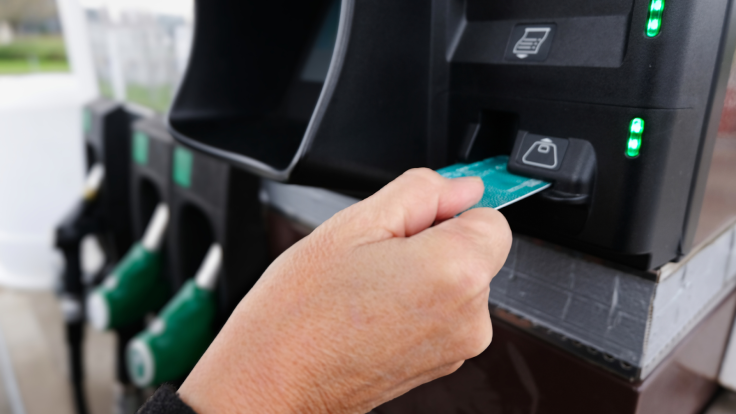
Rising operational costs are forcing UK businesses to look more closely at every outgoing expense. From fluctuating fuel prices to growing administrative workloads, managing vehicle-related spending has become more complex than ever.
For companies running fleets, whether five vehicles or five hundred, fuel remains one of the most significant and unpredictable overheads. But in 2026, businesses are beginning to move beyond reactive spending and towards structured fuel strategies designed to improve control and efficiency.
One of the tools gaining renewed attention is the business fuel card.
From Expense to Strategy
Traditionally, fuel cards were viewed simply as a convenient way for drivers to pay at the pump. Today, however, they are increasingly seen as part of broader financial infrastructure.
A modern fuel card does more than replace receipts. It allows finance teams to consolidate transactions, track spending patterns, monitor driver behaviour, and generate detailed reporting. In an environment where margins are tighter and accountability matters more, that visibility can be invaluable.
Rather than collecting paper receipts or reconciling individual reimbursements, businesses can centralise payments, simplify VAT reclaim processes, and reduce administrative hours.
Supporting Smarter Fleet Management
As fleet operations grow more sophisticated, so too must the systems that support them. Businesses are under pressure to optimise routes, manage compliance, and track usage, all while controlling costs.
Providers such as Allstar offer integrated solutions that combine fuel payments with online account management tools, helping companies maintain oversight across their vehicles. With over 1.2 million cards in circulation and more than 50,000 UK businesses served, Allstar has positioned its fuel card offering as part of a broader payment and fleet management ecosystem.
For growing companies, that consolidation matters. Having one place to monitor transactions and spending insights can help reduce inefficiencies and uncover opportunities for savings that may otherwise go unnoticed.
Preparing for the EV Transition
The conversation around fuel is also changing as businesses explore electric vehicles. While not every fleet is fully electric, many organisations are adopting a mixed approach, blending traditional fuel vehicles with EVs.
This transition adds another layer of complexity. Charging, reimbursement, and cross-network compatibility can quickly become administrative burdens if not managed properly.
Some providers now integrate fuel and EV charging under a single payment solution, allowing businesses to manage both in one place. As companies navigate this shift, having flexibility built into their payment systems is becoming increasingly important.
Saving Time as Well as Money
Cost control remains a priority, but time savings are just as valuable. Finance teams often spend considerable hours reconciling vehicle expenses, particularly in larger fleets.
A structured fuel card system can reduce that workload by automating reporting and simplifying expense tracking. When combined with digital account management platforms, businesses gain real-time visibility into spending, helping them make informed operational decisions more quickly.
For SMEs in particular, where administrative resources may be limited, these efficiencies can free up valuable time to focus on growth rather than paperwork.
A Practical Step Towards Greater Control
In an uncertain economic climate, businesses are seeking tools that offer both flexibility and control. A well-implemented fuel card strategy is not simply about paying for petrol or diesel. It is about gaining clearer insight into fleet spending, reducing administrative friction, and supporting long-term operational planning.
As UK businesses continue to adapt to rising costs, regulatory pressures, and evolving transport models, smarter payment infrastructure is becoming part of the solution.
For many, the shift is less about adopting new technology and more about formalising systems that support resilience. In that context, a modern fuel card is no longer just a convenience, it is becoming an essential component of efficient business operations.
© Copyright IBTimes 2026. All rights reserved.
- MOST POPULAR IN Business