

Iddo Netanyahu Is Dead Rumours: How Fake News Targeted Netanyahu's Brother and Itamar Ben-Gvir
In war's fog, lies strike harder than missiles.
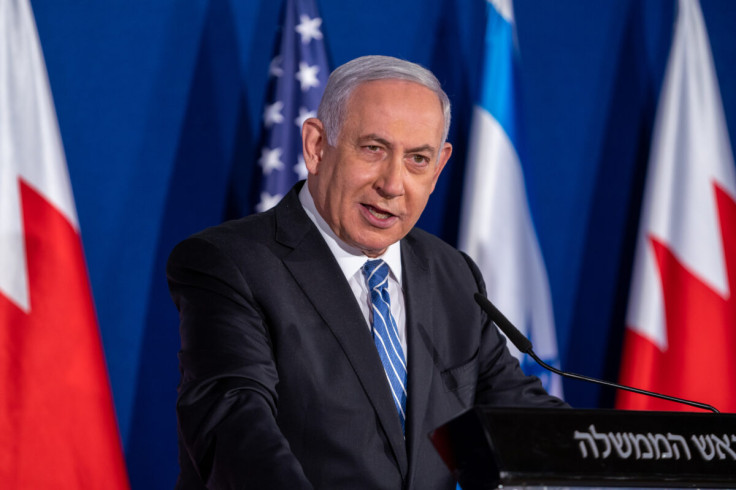
Iddo Netanyahu, Benjamin Netanyahu and Itamar Ben-Gvir were falsely reported dead or seriously injured in Tel Aviv on Friday, according to viral social media posts claiming the Israeli prime minister's brother and the national security minister had been struck in an Iranian air attack on their homes.
Those rumours erupted against the backdrop of the ongoing conflict in the Middle East, where information and disinformation now travel at almost the same speed. Over recent months, claims about rocket attacks, assassinations and 'secret strikes' have flooded X, Telegram and messaging apps long before officials or journalists could verify what, if anything, had happened. In this case, the story spread faster than the basic checks that would usually be applied to a report involving senior Israeli figures and a supposed strike on Tel Aviv.
The posts followed a familiar pattern. Anonymous and partisan accounts on X asserted that an Iranian strike had hit Tel Aviv and that Itamar's house had caught fire, leaving him injured. Within hours, other users were insisting that Iddo had been killed in the same alleged attack, and that Israeli authorities were scrambling to hide the truth from the public.
Some users went further, accusing Israeli media of colluding in a cover-up. According to these claims, broadcasters and newspapers were supposedly fabricating a story that Itamar had been involved in a car accident, using it as a smokescreen to conceal injuries actually suffered in the alleged Iranian strike. None of those accusations were backed by named sources or supporting evidence.

Targets of Rumour
The claims about Iddo, Benjamin and Itamar were striking for one simple reason, as no reputable outlet could corroborate them. There were no photographs from the scene, no ambulance service statements, no reports from Israeli hospitals and no independent confirmation of any explosion at Itamar's residence in Tel Aviv.
Crucially, there were also no official announcements. If the prime minister's brother had been killed in an attack on Israeli soil, it would almost certainly have prompted an immediate political and security response. Instead, the only reports came from social feeds, many of which have previously amplified unverified allegations about the war.
BREAKING NEWS 🔥 🔥 🔥
— UNN (@UnityNewsNet) March 9, 2026
'israeli' media unconfirmed reports Itamar Ben Gvir involved in 'car crash' when he has actually been killed in an Iranian missile strike on his home. pic.twitter.com/0XUHjbIO0f
Fact-checkers who reviewed the posts found that every key element of the story rested on assertion rather than evidence. The supposed Iranian air strike in Tel Aviv was not recorded by recognised monitoring groups. Major international news agencies carried no alerts. Israeli authorities did not confirm any such incident. In other words, the narrative about Iddo's death and Itamar's injuries collapsed as soon as it met even minimal scrutiny.
Based on information from official records and established reporting, the verdict is clear. There is no confirmation that Itamar's home in Tel Aviv was targeted in any Iranian strike, and no credible indication that Iddo was killed or injured. The widely shared claims are, on current evidence, a hoax and should be treated as such.
Nothing in the underlying conflict rules out the possibility of future attacks involving high-profile political figures. However, this particular story about Iddo's alleged death and a wounded Itamar remains unsupported by verifiable facts. Without on-the-record statements, corroborating eyewitness accounts or physical evidence, it sits firmly in the realm of online rumour.
Verified Account of a Different Attack Highlights the Contrast
The speed with which the false narrative spread stands in sharp contrast to a separate, documented incident involving another senior Israeli politician. Israeli finance minister Bezalel Smotrich provided a detailed and public account of how his son was wounded near the border with Lebanon, underscoring what real, verifiable information tends to look like in wartime.
In a post on X, Smotrich said that a mortar round struck troops on Friday near the Lebanese frontier, injuring eight soldiers. He named his son, Benya Hebron, as one of those hurt in the attack and described the nature of the injuries. According to the minister's account, shrapnel penetrated his son's back and stomach, with one fragment tearing through the liver and lodging close to a major blood vessel.
Iran just bombed and killed Netanyahu’s brother
— Mo Khan (@mokhanhim) March 9, 2026
God is great 🙏
Smotrich added that doctors believed the outcome could have been significantly worse had the fragment hit the blood vessel directly. That level of medical detail, combined with the identification of the location and number of wounded, has allowed reporters to cross-check the information against military briefings and hospital updates. While some specific clinical information comes only from Smotrich's own words, the basic outline of the attack and the presence of multiple casualties matches broader, established reporting from the border area.
The contrast with the rumours about Iddo, Benjamin and Itamar is stark. In the Smotrich case, there is a named official placing his own family in the story, giving a time, a place and a recognisable type of attack. In the Tel Aviv 'strike,' the narrative drifts between accounts, with no consistent detail, no named witnesses and no institutional confirmation.
That difference matters, not just to media professionals but to anyone trying to understand what is actually happening in a war zone. Erroneous stories about assassinated ministers and dead relatives of leaders can inflame tensions, feed conspiracy theories and distort public opinion in ways that are hard to reverse once the correction finally catches up.

There is also a more basic point about human vulnerability. Senior political figures like Benjamin and Itamar are obvious lightning rods for anger, and it is not surprising that their names become magnets for false reports of attacks and injuries. The inclusion of Iddo, who is less visible internationally, hints at an attempt to wrap the prime minister's wider family into an emotive and frightening narrative.
For now, the only safe conclusion is a cautious one. Claims that Iddo was killed and that Itamar was injured in an Iranian air strike on Tel Aviv are not backed by any verified evidence or official statement. Unless and until that changes, they should be treated with considerable scepticism and, as with so much wartime content online, taken with a large grain of salt.
© Copyright IBTimes 2026. All rights reserved.