

UKHSA Warns Norovirus Cases Have Jumped by Nearly Half in Two Weeks
Norovirus cases jump 47% in January 2026—UKHSA urges stay-home measures and strict hygiene practices to protect vulnerable populations
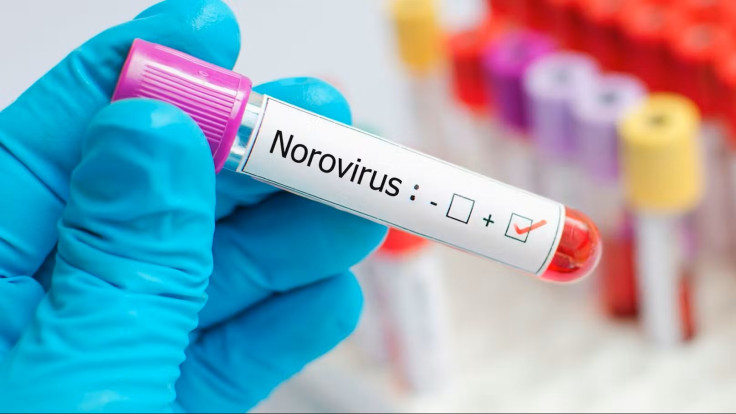
Norovirus infections in England have surged sharply at the start of 2026, with health officials warning the highly contagious winter vomiting bug is spreading fastest among older adults and in healthcare settings.
New figures from the UK Health Security Agency (UKHSA) show laboratory-confirmed cases rose by 47% in just two weeks, intensifying pressure on hospitals and care homes already stretched by winter demand.
While overall activity remains within seasonal expectations, the pace of increase has alarmed public health experts, who are urging people to stay home when ill and to follow strict hygiene measures to curb further transmission.
Norovirus Surge Concentrated Among Over-65s
UKHSA data indicate that the recent spike is disproportionately affecting people aged 65 and over, a group more vulnerable to dehydration and complications from vomiting and diarrhoea. Health officials say this age profile is contributing to a rise in outbreaks within hospitals, care homes and other closed settings where the virus spreads rapidly.
Amy Douglas, lead epidemiologist at UKHSA, warned that everyday decisions could have serious consequences. 'If you have diarrhoea and vomiting, don't return to work, school or nursery until 48 hours after your symptoms have stopped and don't prepare food for others in that time either,' she said. Douglas also urged people to avoid visiting hospitals and care homes while unwell to protect those most at risk.
Norovirus is notorious for its speed of transmission and sudden onset. Symptoms often begin abruptly and can leave sufferers severely unwell for several days, even if recovery is usually complete.
The virus itself is genuinely unpleasant; characterised by sudden, violent sickness and diarrhoea that can render sufferers bedridden for days.
What makes norovirus particularly troublesome is how easily it spreads in crowded, closed environments like hospitals and care facilities. The rising number of hospital outbreaks reported in recent weeks suggests the bug is finding ample opportunity to circulate amongst vulnerable populations.
Why Simple Hygiene Measures Matter More Than Ever
The silver lining, if there is one, is that preventing norovirus doesn't require expensive medical interventions or complex procedures. It requires something far more fundamental: old-fashioned hand hygiene and basic cleaning discipline. The UKHSA has stressed the importance of washing hands thoroughly with warm water and soap—a practise that sounds obvious but remains disturbingly underutilised during winter illness season.

Critically, alcohol-based hand gels offer virtually no protection against norovirus, a fact that continues to surprise many people who've grown reliant on these products. Proper handwashing, especially after using the toilet and before preparing food, is non-negotiable. Households should also use bleach-based cleaning products on surfaces and wash contaminated bedding and clothing at 60°C to kill the virus effectively.
Ensuring indoor spaces remain well-ventilated can also help reduce transmission of other respiratory infections circulating at the same time, including flu, which fortunately continues to decline. For those forced to leave their homes whilst unwell, face coverings offer at least some protection to vulnerable individuals they might encounter.
A Small Comfort Amid Broader Vaccine Progress
There is, at least, some encouraging news on the broader winter virus front. Flu and RSV levels have continued their downward trend, offering a modest reprieve for stretched NHS services already grappling with capacity pressures.
The vaccination programmes continue to prove their worth—those most vulnerable remain eligible for free jabs on the NHS, including everyone aged 65 and over, pregnant women, and children from age two through school year 11.
The RSV vaccine, rolled out for the first time this winter, remains available for those aged 75 to 79 and pregnant women at or beyond the 28-week mark. Dr Alex Allen, consultant epidemiologist at the UKHSA, urged eligible individuals not to delay: 'Vaccine appointments are still available on the NHS national booking system, and those most at risk who haven't yet had their vaccine should make sure they take it up now to ensure they are protected for the remainder of the season.'
The unpredictability of respiratory viruses means complacency has no place in winter planning. Whilst norovirus cases may eventually plateau, the weeks ahead demand vigilance, discipline, and a collective commitment to the basics.
© Copyright IBTimes 2026. All rights reserved.