Experts Warn: 1 in 10,000 Wegovy Users Face 5X Higher Risk Leading to Serious Eye Complications
'One in every 10,000 people taking Wegovy could suffer eye problems'

A new study has warned that one in every 10,000 people taking Wegovy could suffer a sudden, permanent loss of sight, with the risk five times higher than those on Ozempic.
While these eye strokes are rare, they are serious, and the findings raise questions about the safety of users of weight-loss drugs.
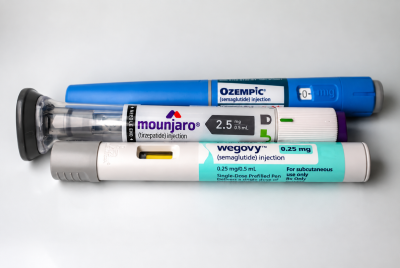
Wegovy, Ozempic, and Rybelsus contain the active ingredient semaglutide. They're prescribed to help manage blood sugar levels and curb appetite. Doctors often recommend them for type 2 diabetes and weight loss. But recent research suggests Wegovy might carry a hidden danger.
Published in the British Journal of Ophthalmology, the study examined side effects reported to health authorities across the United States between 2017 and 2024. Researchers found that Wegovy users had nearly five times the risk of developing a sudden, painless vision loss called non-arteritic anterior ischemic optic neuropathy (NAION). The condition results from reduced blood flow to the optic nerve, leading to irreversible vision loss.
Men appear more vulnerable. The study showed that male Wegovy users face a threefold higher risk than women. The risk seems linked to the drug's high doses and rapid action. Patients on the highest approved dose of Wegovy, given weekly via injection, appear more susceptible than those on lower doses or different formulations.
It Just Happens, or Is It?
Naion is often described as an 'eye stroke.' It strikes suddenly, leaving little room for warning signs. Many patients only realise something is wrong when their vision blurs or dims unexpectedly. For some, the damage is permanent. Although rare, affecting about one in 10,000, the potential safety concern is clear.
Experts think the active ingredient semaglutide might be responsible. Dr Edward Margolin, an ophthalmology researcher, suggests that the faster, more aggressive weight loss associated with Wegovy could increase the risk. Faster weight loss has been linked to blood flow changes that may affect the optic nerve.
Interestingly, the study found no increased risk with Rybelsus, an oral tablet form of semaglutide, or tirzepatide (sold as Mounjaro). The difference? These formulations are absorbed more slowly or have lower doses, which may explain their safer profile.
Regulatory Warnings and Safety Measures
The UK's Medicines and Healthcare products Regulatory Agency (MHRA) issued a safety update in February. It warned healthcare providers and patients about the rare but serious risk of Naion with semaglutide drugs. Similar warnings have come from European regulators.
Dr Alison Cave, the MHRA's safety chief, emphasised that while the risk remains extremely low, awareness is key. Recognising early symptoms like sudden vision change can save sight. Patients are urged to seek immediate medical attention if they notice any eye problems.
Novo Nordisk, the manufacturer of Wegovy and Ozempic, responded cautiously. They stressed that patient safety is their top priority. The company highlighted ongoing monitoring and said their European leaflets now include warnings about Naion. They also maintain that, based on current evidence, the benefits of semaglutide continue to outweigh its risks.
Experts Stress More Research
Stories of sudden vision loss can be frightening. Imagine waking up one day and realising your world has gone dark. For some, it's a real fear, especially among those on high doses of Wegovy. Many wonder whether the drug's benefits justify the potential danger.
Medical professionals agree that more research is needed. Right now, the link between Wegovy and Naion remains a concern but not a confirmed cause. As more data emerges, doctors and regulators will better understand who is most at risk and how to prevent these rare but devastating side effects.
While Wegovy offers hope for weight loss, it's not without risk. Patients and doctors must stay vigilant. Be aware of warning signs. Weigh the benefits against potential hazards. As science advances, safer options may emerge. Until then, caution remains essential.
© Copyright IBTimes 2026. All rights reserved.
- MOST POPULAR IN Health