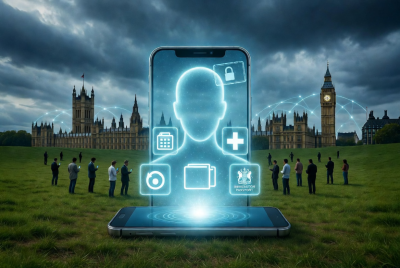
Virtual Inspections and Remote Audits in Medical Device Registration
Virtual Inspections & Remote Audits: Faster, Transparent, and Compliant Medical Device Registration
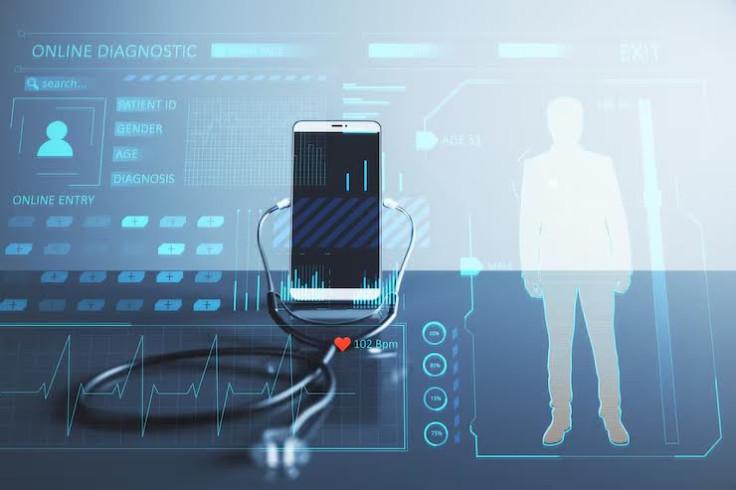
The medical technology sector has been a leader in innovation for a long time, and now the regulations are changing accordingly. As a result of digital transformation and worldwide connectivity, regulatory agencies are also using advanced digital tools to be in line with the regulations. One of the significant changes that could be mentioned is the rise of remote inspections and virtual audits for medical device registration.
These are the ways by which the regulatory authorities visit the production sites, check the records, and confirm the quality without being there in person, thus they are reinventing the whole process. Pharmaknowl recognises the importance of these digital approaches in modern regulatory practices.
The Evolution of Regulatory Oversight
Previously, the medical device registration heavily relied on physical inspections, wherein regulators visited facilities to check the documents and confirm the quality of the product. But worldwide travel limitations, complicated supply chains, and digital progress have together fastened the change over to remote assessments.
Virtual inspections thus permit on-the-spot evaluations through a secure and digital platform, which empowers the regulators to see the processes and talk with the teams remotely. Remote audits that use video conferencing and electronic document exchange to review compliance with medical device standards such as ISO 13485, FDA 21, CFR Part 820, and EU MDR are conducted. This transition to digital has become an important factor in improving the effectiveness, precision, and openness of the regulatory supervision process.
Regulatory Acceptance of Virtual Audits
Agencies that set the rules for various industries and markets across the globe are moving to monitoring from a distance models. In an effort to facilitate the inspection of facilities through the use of technology and allow for virtual audits, the FDA's Remote Regulatory Assessment, together with the similar initiatives by EMA, MHRA, TGA, and PMDA, are changing the way these processes are done.
This transition is a worldwide trend towards unified regulatory regulations that keep the safety standards at a very high level, while at the same time giving more freedom and saving time. There are no longer any geographical limitations in the case of virtual inspections, thus allowing regulators to have more frequent contact with manufacturers and, in this way, ensure continuous compliance without any wait times.
Technologies Driving the Transition
Virtual inspections and remote audits have been largely successful due to innovations in digital technology. Regulators and manufacturers can now collaborate in real time through secure cloud platforms, thereby making the sharing of documents safe and efficient.
Using the support of virtual tours, high-resolution video systems, and instant communication tools, inspectors can remotely locate facilities and production processes that they need to check. In addition, artificial intelligence and big data analytics speed up and make more accurate the process by which they automatically identify compliance gaps and also point out the most risky areas for review.
At the same time, blockchain is giving back to the regulators full control over the data by recording in tamper-proof audit trails every stage of each documentation exchange, thereby securing it. On the other hand, digital twins, real-time virtual models of manufacturing sites, are revolutionising regulatory moves by giving the possibility to simulate inspection scenarios and also detect in advance the nonconformities.
Therefore, these innovations are the factors behind the openness, dependability, and trust of the processes. As a result of the combination of safe digital frameworks with smart automation, remote audits are nowadays a worldwide, reliable and time-saving method of conforming to medical device regulations.
Benefits for Manufacturers and Regulators
The transition to digital audits has a lot of positive things to offer. Remote inspections, to begin with, are a great relief for manufacturers as they have to deal less with the logistical side of things, save money on travelling, and avoid getting their schedules messed up. These inspections also give a faster reply to the regulator's queries and allow them to share the documents instantly. On the other hand, virtual supervision gives regulatory agencies the opportunity to oversee more facilities at the same time and, therefore, handle the available resources more efficiently.
Besides, this digital way of doing things is very helpful in terms of openness and traceability. Every communication, submission, and corrective action is recorded in secure systems, which means clear accountability is ensured.
Manufacturers gain through improved audit readiness as the need for well-organised and constantly updated digital records naturally leads to continuous compliance practices. All in all, remote inspections make the registration process less complicated, quicker, and more interactive; thus, all the stakeholders are gaining.
The Future of Virtual Oversight in MD Registration
Eventually, performing hybrid inspections with both virtual and on-site elements will be considered as the standard worldwide, as digital technologies are still changing. Following that, artificial intelligence will be able to perform compliance checks with the help of automation in document analysis and predictive monitoring. Regulators will be able to monitor continuously through cloud-based dashboards and real-time data integration their performance and compliance metrics.
The network of agencies around the world working together is also a strong support for the framework of virtual oversight. The International Medical Device Regulators Forum (IMDRF) has set up programs to help different countries have common digital inspection protocols. These projects will lead to a global regulatory environment that is data-driven, transparent, and unified.
Wrapping Up
Virtual inspections and remote audits are at the core of the next wave of regulatory changes in medical device registration. The proof is in the performance: technology has been able to enhance oversight without any loss of rigour or reliability. In this way, regulators and manufacturers are leading the way to a less costly, safer and more interoperable compliance system of the future by accepting such means. Besides, the digitisation of regulatory measures not only makes them more effective but also more open to innovation, which eventually leads to medical devices becoming available to patients sooner with all the necessary safety and quality guarantees intact.
© Copyright IBTimes 2025. All rights reserved.
- Recommended For You