

Why Your Next Soda Can Might Be 100% Recyclable — Beverage Giants Go Eco‑Mad
From cans to bottles, major beverage brands embrace sustainability with fully recyclable packaging and greener production
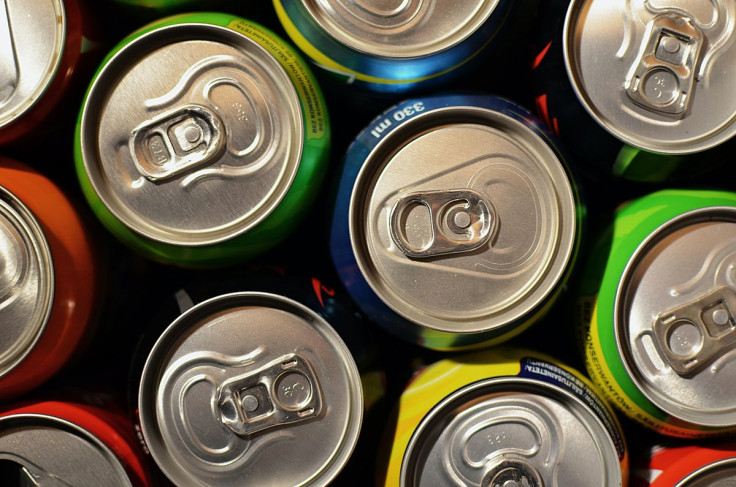
A major shift is underway in the global drinks industry, and it may change the packaging on every can and bottle you buy.
A fresh market report from Precedence Research shows explosive growth ahead for beverage packaging, container manufacturing and packaging machinery, three sectors rapidly reshaped by sustainability demands.
As brands from PepsiCo to Ball Corporation and Crown Holdings accelerate green commitments, the next decade could bring fully recyclable soda cans, bottles with higher recycled content and packaging systems designed with circularity at their core.
The transformation reflects changing consumer expectations, rising regulatory pressure and a broader move toward climate-aligned manufacturing.
Billion-Dollar Growth as Sustainability Takes Centre Stage
According to Precedence Research, the global beverage packaging market is projected to soar from US$168 billion (2024) to US$275.09 billion by 2034, driven by rising demand for eco-friendly materials and lightweight designs. The container market is forecast to hit US$408.62 billion over the same period, signalling substantial long-term investment across the supply chain.
These numbers highlight a major trend: beverage packaging is no longer simply a cost centre—it is now a strategic battleground. Companies are competing not just on taste or branding, but on how effectively they can reduce plastic waste, adopt recycled content and comply with tightening global regulations.
PepsiCo's Push for 100% Recyclable Packaging
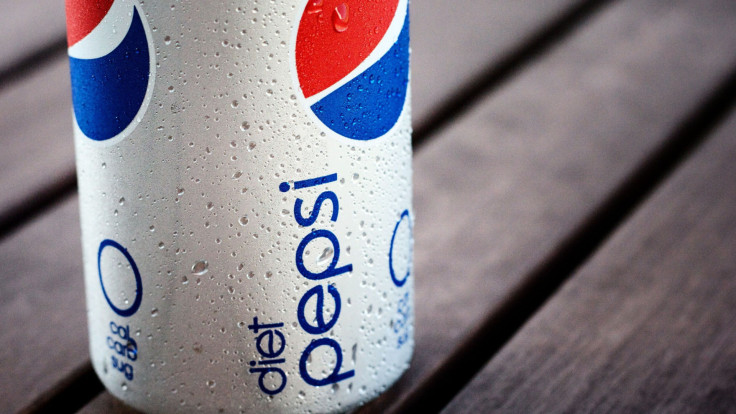
PepsiCo is among the major players committing to a greener future: per the report, the company aims to achieve net‑zero emissions by 2040.
This ambition builds on earlier efforts under its sustainability programme (pep+), which previously pledged that a significant portion of its packaging would be recyclable or reusable. By 2024, the firm reported substantial progress, though recent updates have revealed challenges, and the target has now been refined to 97% recyclable, compostable, or reusable packaging by 2030.
Nonetheless, the fact that a global beverages giant is publicly committing to such a sweeping change sends a powerful signal to the entire sector.
PepsiCo, alongside metal-packaging giants Ball Corporation and Crown Holdings, is investing heavily in recyclable aluminium, rPET bottles and advanced filling lines that cut waste and energy use.
Why This Packaging Shift Matters Now
There are several reasons why this moment could mark a turning point for beverage packaging:
- Environmental Pressure & Consumer Demand: With plastic pollution and waste management rising on public and governmental agendas worldwide, consumers are increasingly demanding more responsible packaging. Companies are responding by deploying recycled‑content bottles, metals, and lightweight designs.
- Cost & Efficiency Gains: As materials and supply‑chain technologies evolve, recyclable materials such as rPET (recycled PET), aluminium cans, and lighter containers can be more cost‑effective, easier to transport, and less wasteful than traditional mixed‑material packaging.
- Regulatory Push: In many markets (especially in Europe and parts of North America), regulatory pressure to reduce virgin plastic use and improve recycling rates is intensifying. Brands that adapt early may gain a competitive edge.
- Industry-Wide Transformation: The projected growth in the packaging machinery market—nearly doubling from 2025 to 2034—suggests manufacturers are investing heavily in equipment for recyclable and efficient packaging lines.
The move toward sustainable packaging is not just marketing spin; it reflects structural shifts across supply chains, consumer preferences and regulatory environments.
What It Means For Consumers
For everyday shoppers, the biggest change may be simpler recycling. Your next can of soda or bottled water may be made from fully recyclable aluminium or higher-grade rPET, reducing waste and improving recovery rates. It could lower long-term costs as supply chains become more efficient and reduce the guilt associated with plastic-heavy packaging.
Brands slow to adapt risk losing relevance, while sustainability-centred companies may gain a decisive edge with eco-conscious buyers.
A Green Decade Ahead
With credible market forecasts, major corporate investments and stronger regulatory frameworks, the beverage industry appears poised for its most significant environmental transformation yet.
Within a few years, cracking open a can may carry a new kind of refreshment—the satisfaction of a product designed with the planet in mind.
© Copyright IBTimes 2026. All rights reserved.