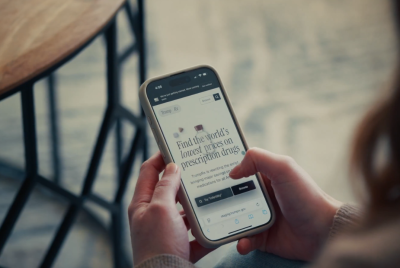
Zepbound 30% Price Cut to $299 Still Far Above Cheaper Overseas Options
The discounted rate applies only to cash-paying patients purchasing through Eli Lilly's direct-to-consumer platform

Eli Lilly has announced price reductions on its blockbuster weight-loss drug Zepbound, bringing the starting monthly dose to £226 ($299) for cash-paying American patients via LillyDirect.
While the pharmaceutical giant frames the move as a win for accessibility, the discounted rate—available only through single-dose vials—still exceeds prices for the same active ingredient (tirzepatide) in markets like India and Canada, though Japan £241($319) is now slightly higher than this new US cash price.
Limited Savings for US Cash-Payers
Starting Monday, patients in the US with a valid prescription and paying cash can purchase the initial dose of Zepbound vials for as low as £226 ($299) per month via LillyDirect, down from a previous price of $349 per month. This represents approximately a 14% reduction in the entry-level cost, although Zepbound's list price remains around $1,086 per month.
However, these savings are conditional. Only patients in the US with a valid prescription who pay cash through LillyDirect are eligible for the lower price. Those relying on insurance or buying through traditional pharmacies will still face higher costs, and coverage for weight-loss medications remains inconsistent across American health plans.
Global Price Disparities Laid Bare
Even after the US price reduction, a stark contrast exists with international markets, where regulatory frameworks keep pharmaceutical costs significantly lower.
In India, where Eli Lilly launched Mounjaro in March 2025, the 2.5 mg vial costs approximately 3,500 rupees ($40.50), and the 5 mg vial around 4,375 rupees ($48.80). These prices are roughly one-seventh of the new American cash price for equivalent dosages. The weekly medication costs, depending on dosage, would total between Rs 14,000 and Rs 17,500 ($165–$205) monthly.
Japan offers a mixed comparison. Mounjaro (tirzepatide) costs about £241 ($319) per month under National Health Insurance, significantly lower than the US list price of approximately £773 ($1,023). Yet, Japan's monthly cost now exceeds Eli Lilly's discounted US cash price of £226 ($299) available through LillyDirect. Japan's position is thus intermediate: more affordable than US full prices but more expensive than the new US cash rate on single-dose vials.
In Canada, tirzepatide (Mounjaro) costs roughly £227 ($300) per month, offering savings of up to 74% compared to US prices of around £885 ($1,170). Canadian pharmacies are increasingly becoming an attractive alternative for American patients seeking affordable access to these treatments.
The Trump Administration's Role and Future Outlook
Eli Lilly's announcement comes just weeks after President Donald Trump struck deals with Eli Lilly and Novo Nordisk to make their GLP-1 drugs more accessible and affordable for Americans.
Under these agreements, Medicare will be able to cover Wegovy and Zepbound for patients with obesity and related conditions, with beneficiaries paying a co-pay of just £37.85 ($50) per month, according to the White House.
However, Eli Lilly's deal with Trump primarily concerns lowering prices for a different form of Zepbound — a multi-dose pen — once FDA approval is obtained. The recent reductions for single-dose vials are a separate, more immediate measure.
Conditional Access and Ongoing Challenges
The structure of American drug pricing continues to puzzle healthcare analysts. The government's upcoming direct-to-consumer platform, TrumpRx, is expected to launch next year, allowing cash purchases of drugs like Wegovy and Zepbound at an average monthly cost starting at £265 ($350), dropping to around £189 ($250) within two years.
Until these programmes are fully operational, many US patients face a fragmented landscape of access. High costs and inconsistent insurance coverage continue to be major barriers to affordable treatment.
The global divide in pharmaceutical pricing shows little sign of narrowing. While Eli Lilly promotes its US price reductions as expanding access, patients elsewhere—especially in India, Canada, and Japan—continue paying a fraction of US costs for identical medications. For Americans without cash or insurance options, the promise of a revolution in weight-loss treatment remains frustratingly out of reach.
© Copyright IBTimes 2026. All rights reserved.
- MOST POPULAR IN Healthcare