

What Drug Caused Max Kepler an 80-Game Suspension: £8.2M Outfielder Caught Cheating With Banned Cattle Steroid
Max Kepler suspended 80 games for using banned cattle steroid
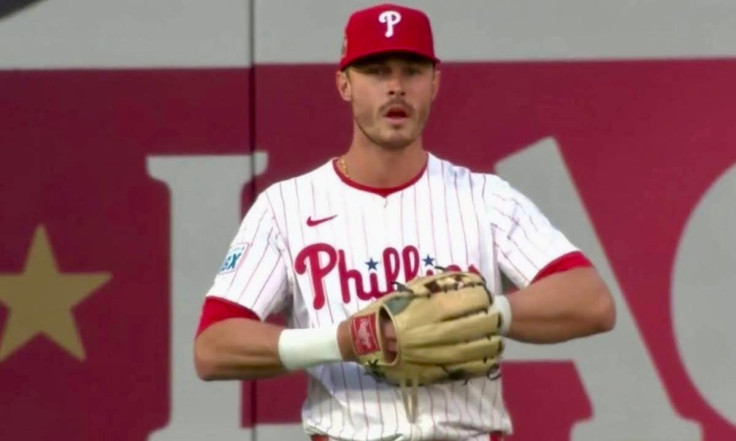
The quiet winter free agent market was jolted awake on Friday with the announcement that veteran outfielder Max Kepler has been suspended for 80 games after testing positive for epitrenbolone, a serious violation of Major League Baseball's drug programme.
For a 33-year-old coming off a dismal season and looking for a lifeline in free agency, this revelation is catastrophic. It is not just a failed test; it is a desperate move that has likely torpedoed his career at a critical juncture.
The Science of a 'Cattle Steroid'
The gravity of the scandal lies in the specific compound found in the test results: epitrenbolone. This substance is a metabolite, or byproduct, of trenbolone.
Trenbolone is a heavy-duty steroid used to increase muscle mass in beef cattle before slaughter and is banned for human use. For an athlete, the allure is obvious—rapid muscle recovery and strength preservation—but the risks are immense. This is not a tainted supplement excuse; it is a heavy-duty steroid often linked to desperate attempts to reverse physical decline.
A Disappointing Season in Philadelphia
The timing of the allegations looks particularly serious coming off Kepler's brutal 2025 season with the Philadelphia Phillies. After leaving the Minnesota Twins, he signed a one-year deal worth £8.2 million ($10 million), hoping to re-establish his value. Instead, his time in Philadelphia was forgettable.
He posted a slash line of .216/.300/.391 over the season, managing just 18 home runs and a wRC+ of 90, which is well below the league average. He also voiced complaints regarding his playing time, specifically expressing frustration at being shielded from left-handed pitchers. He claimed he believed he was signed to be an everyday player, yet his performance rarely justified an expanded role.
Free Agency Prospects Shattered
The timing could not be worse for Kepler, who turns 33 in February. The suspension mechanics are particularly punitive for free agents: the 80-game ban does not begin until he actually signs a contract and is on a roster.
This creates a dilemma where he needs a team to employ him just so he can start serving his punishment. Furthermore, league rules would prevent him from participating in the 2026 postseason, eliminating him as an option for contenders seeking depth for a playoff push.
Free agent outfielder Max Kepler was suspended 80 games Friday for violating Major League
— TriceRozay (@TheTriceRozay) January 9, 2026
Baseball's drug program.
MLB announced Kepler tested positive for epitrenbolone, a performance-enhancing substance. pic.twitter.com/jkqoVfmrfz
Ripple Effect on the Outfield Market
Kepler's removal from the board reshuffles the deck for teams desperate for outfield help. The current market is top-heavy but thin, led by stars like Kyle Tucker and Cody Bellinger.
Below that elite tier, Kepler was considered one of the better options alongside names like Harrison Bader and Mike Yastrzemski—the latter having already signed with Atlanta. With Kepler effectively erased from the conversation, second-tier and bounce-back candidates may see increased interest. With Kepler suddenly out of the picture, free agents like Miguel Andujar, Austin Hays, and Mike Tauchman might unexpectedly find themselves holding better cards as teams scramble to plug the hole in their roster.
As for Kepler, the path back to the big leagues just got a lot steeper, and he's going to have to start that climb from scratch.
© Copyright IBTimes 2026. All rights reserved.