

Bomb Cyclone Ezra Paralyses America: Blizzard Warnings, Blackouts, and Travel Chaos
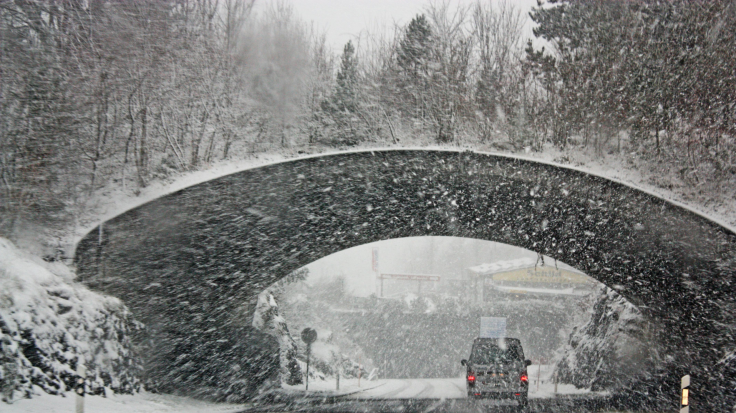
America's holiday travel season collapsed under the weight of a rapidly intensifying winter storm as Bomb Cyclone Ezra swept across the country from 26 to 29 December 2025, triggering blizzard warnings, widespread power outages, and severe travel disruptions from the Midwest to the East Coast.
Meteorologists confirmed that Ezra intensified explosively over the northern United States on 26 December, meeting the scientific threshold for a bomb cyclone as surface pressure dropped in under 24 hours.
The storm first battered the Midwest and Great Lakes before pushing eastward, paralysing transport networks and leaving millions facing dangerous cold and white-out conditions during one of the busiest travel periods of the year.
In some places in Minnesota and Wisconsin, residents were waking to temperatures nearly half a degree lower, a drastic drop that highlighted the intensity of the storm.
Blizzard Warnings Issued as Ezra Intensifies
The National Weather Service issued blizzard warnings across large swathes of the Plains and Midwest from 26 December, warning of near-zero visibility, heavy snowfall and wind gusts exceeding 60mph.
Major cities, including Minneapolis, Chicago and Detroit, were hit by intense snowfall as Arctic air surged south. In parts of Minnesota and Wisconsin, temperatures fell sharply overnight, producing wind chills well below freezing and raising serious concerns over frostbite and hypothermia.
Authorities urged residents to avoid non-essential travel, warning that emergency services could be delayed or unable to reach stranded motorists.
Power Outages Spread Across the Midwestern States
Ezra's powerful winds felled trees and knocked down power lines across multiple states, leaving tens of thousands of households without electricity from 26 December onward. Utility companies in Minnesota, Iowa and Michigan reported widespread outages as repair crews struggled to operate safely in blizzard conditions.
Officials warned that prolonged blackouts posed heightened risks for elderly residents and those reliant on medical equipment.
Emergency warming centres were opened in several cities to shelter people left without heat as temperatures continued to plunge.
Holiday Travel Chaos at Airports and on Roads
The timing of the storm proved especially disruptive. Ezra struck at the height of Christmas and Boxing Day travel, triggering mass flight delays and cancellations across the Midwest between 26 and 28 December.
Airports, including Chicago O'Hare International Airport and Minneapolis–Saint Paul International Airport, were among the worst affected, with airlines forced to ground flights amid deteriorating conditions.
Road travel was equally treacherous. Interstate highways in several states were shut down after jack-knifed lorries and multi-vehicle crashes made driving impossible. Officials termed the situation as impossible and advised people to avoid the roads until the storm ended.
Ezra Pushes East by 29 December
By 29 December 2025, forecasters confirmed that Ezra was tracking towards the East Coast, threatening New England with heavy snow, damaging winds, and coastal flooding. Meteorologists warned that the storm's rapid evolution could cause flash flooding in low-lying coastal areas as snow transitioned to rain.
Residents from Boston to New York were advised to prepare for severe disruption, while airlines urged passengers to rebook or cancel flights in advance. The storm's path indicated far-reaching mayhem even during the holiday of New Year's.

A Stark Warning on Weather Resilience
While bomb cyclones are not new, analysts said Ezra exposed the fragility of infrastructure during peak demand periods. Power grids, transport networks and emergency services all came under intense strain as the storm coincided with holiday travel and staffing shortages.
As Ezra continued eastward, officials stressed that the storm's true impact would be measured not just in cancellations and blackouts, but in how effectively communities protected their most vulnerable.
For millions of Americans, 26–29 December 2025 became days marked not by celebration, but by blizzards, darkness and disruption.
© Copyright IBTimes 2026. All rights reserved.