Middle East Tourism Bleeds Hundreds Of Millions A Day As Iran War Scares Travellers: Figure Revealed
Tourism Industry Faces Severe Impact as Conflict Escalates
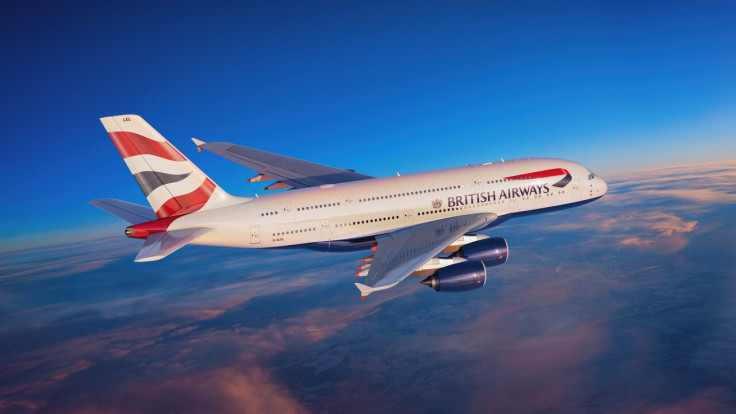
The escalating conflict involving Iran has begun to severely impact the Middle East's tourism sector, with the region now losing hundreds of millions of dollars in visitor spending every single day. Travel disruptions, airspace closures, and growing security concerns have led to a dramatic fall in tourist confidence, affecting major tourism hubs such as Dubai, Abu Dhabi, and Doha.
According to estimates cited by the World Travel and Tourism Council, the conflict is costing the regional travel industry roughly $600 million per day (£448 million per day) in lost tourism revenue.
The Middle East had been enjoying a strong tourism boom before the crisis, with governments investing billions in hotels, infrastructure, and major events to attract international visitors. However, the outbreak of hostilities and the resulting aviation chaos have forced airlines to cancel flights and travellers to reconsider their plans. As tensions escalate, analysts warn that the longer the conflict continues, the deeper the financial damage could become for an industry that many Gulf economies increasingly rely on.
Tourism Industry Facing Massive Daily Losses
Tourism has become a vital pillar of many Middle Eastern economies over the past decade. Countries across the Gulf have invested heavily in luxury resorts, world-class airports, and cultural attractions to transform themselves into global travel hubs. Yet the ongoing conflict involving Iran has rapidly undermined that momentum.
Industry estimates suggest the region is currently losing around $600 million a day in international visitor spending (£448 million per day), as travellers cancel holidays or delay trips due to safety fears and flight disruptions. These losses stem from a wide range of factors, including grounded flights, hotel cancellations, and disruptions to business travel.
The Middle East had been expected to generate around €178 billion (£154 billion approx) in international tourism spending in 2026, highlighting how significant the current downturn could become if the war continues. Popular tourism hubs such as Dubai and Abu Dhabi have already experienced a wave of cancellations. Reports indicate that tens of thousands of short-term rental bookings in Dubai alone were cancelled within a week of the escalation.
Aviation disruptions have further compounded the crisis. Several countries across the region temporarily closed their airspace after the conflict intensified, leading to widespread flight cancellations and leaving travellers stranded. Major international airlines have suspended or reduced flights to Middle Eastern destinations as a precaution, making travel to the region more complicated and expensive.
Tourism analysts warn that even travellers who had planned stopovers in Gulf hubs are now avoiding the region altogether. The Middle East typically handles a large volume of transit passenger traffic, serving as a key link between Europe, Asia, and Africa. Any prolonged disruption to this network could therefore have ripple effects across global aviation and tourism.
Flight Chaos And Security Fears Driving Travellers Away
Beyond the economic figures, the biggest challenge for the tourism industry is the growing perception of risk among international travellers. News of missile strikes, drone incidents, and shipping disruptions has created widespread anxiety about travelling anywhere near the conflict zone. Air travel has been particularly affected. Some airlines have cancelled flights to Middle Eastern destinations until late March, while others have rerouted planes to avoid conflict areas. These detours increase fuel consumption and ticket prices, making travel to the region less attractive compared to alternative destinations.
In addition, airports across the Gulf have faced operational disruptions. Key hubs in cities such as Dubai, Abu Dhabi, Doha, and Bahrain have experienced delays and cancellations, affecting millions of travellers. In some cases, airports and nearby infrastructure have even sustained damage during attacks linked to the broader conflict.
The war has also forced governments and airlines to prioritise safety measures. Some countries have introduced temporary 'safe air corridors' to maintain limited aviation traffic while minimising risks to civilian aircraft. However, these measures cannot fully restore traveller confidence while tensions remain high.
Experts say the situation is particularly worrying because tourism has become one of the fastest-growing sectors in the region. Around 100 million tourists visited the Middle East in 2025, representing nearly seven per cent of global international tourism. Many Gulf nations had been banking on continued growth to diversify their economies beyond oil.
© Copyright IBTimes 2026. All rights reserved.
- MOST POPULAR IN World