

Christa Pike's Lawyers Challenge Hospital Shackles as Judge Seeks More Medical Evidence After Execution
Lawyers tell Nashville judge that correctional guards refused doctors' requests to uncuff death row inmate recovering after surviving two doses of pentobarbital
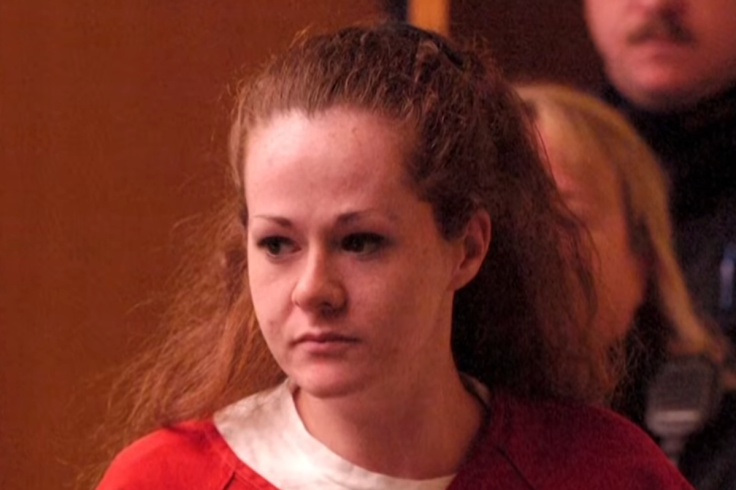
Tennessee death row inmate Christa Pike remains restrained to a Nashville hospital bed after state correctional authorities refused repeated requests from treating clinicians to remove her shackles following a catastrophic failed execution.
During a tense court hearing in Nashville on Wednesday, 7 October 2026, defence attorney Luke Ihnen informed Judge I'Ashea Myles that medical personnel attending to the 50-year-old prisoner requested the immediate removal of her physical restraints, only for prison guards to deny the appeal.
Pike survived two doses of pentobarbital during the state's attempt to execute her on 30 September. Her attorneys say her physical condition is improving, although concerns remain about her injuries and psychological recovery.
The hearing followed an execution attempt that left Pike unconscious and critically ill. Her lawyers have questioned whether problems administering the lethal injection contributed to severe injuries to her arms.
The judge also ordered Tennessee officials to preserve evidence from the procedure, including equipment, recordings and communications that could become relevant to future legal challenges.
Christa Pike's Lawyers Challenge Shackles Despite Reported Medical Objections
During the hearing, attorney Ihnen told the court that medical staff asked Tennessee correctional officials to remove the shackles, but they refused.
'Based on our understanding, medical staff have asked that the shackles be removed and have been denied that request,' Ihnen told the court.
The lawyer asked the court to intervene, raising concerns about Pike's treatment while she remained hospitalised following the failed execution.
Judge Myles sought additional medical evidence concerning the restraints before deciding whether to order their removal. The judge did not immediately grant the lawyers' request, and the supplied hearing reports do not establish whether a subsequent ruling has been made.
Pike's attorneys have previously said she was restrained by her feet and right arm despite injuries that had severely restricted movement in her upper limbs.
Christa Pike's Medical Recovery Continues After Failed Lethal Injection
The dispute over Pike's restraints unfolded as her lawyers reported considerable changes in her medical condition.
Following the failed execution, Pike was admitted to hospital unconscious. Her legal team subsequently reported pneumonia, a blood clot in one arm and extensive swelling affecting both arms and hands.
Her lawyers believe difficulties inserting intravenous lines may have allowed pentobarbital to enter surrounding tissue, potentially contributing to the injuries. The available medical evidence has not established the precise cause.
In a statement released on 8 October, her attorneys said Pike was 'walking with some assistance' and that her arms were 'healing and regaining movement and strength'.
They also reported that her lungs were clear and that she had resumed a regular diet after initially struggling to swallow. 'Physicians are encouraged by her physical recovery,' the legal team said.
Pike reportedly began speaking on Tuesday after several days unconscious. Her lawyers previously said they had been told she was brain dead and that life support would be withdrawn. No formal brain-death determination has been independently verified.
Despite her improving physical condition, the attorneys warned that her psychological recovery remained uncertain.
'Christa is dealing with the profound psychological trauma of having survived a failed execution, including the terror, pain and uncertainty of believing she was about to die,' the statement said.
'We cannot yet know the full emotional and psychological toll of that experience or how long it will take her to begin to heal.'
Christa Pike's Death Sentence Remains in Force as Court Orders Evidence Preserved
The dispute over Pike's hospital treatment is unfolding alongside legal proceedings concerning Tennessee's unsuccessful execution attempt.
During Wednesday's hearing, Judge Myles ordered officials to preserve evidence associated with the procedure, including intravenous lines, syringes, drug packaging, surveillance footage and relevant communications. 'Anything that was in the actual room needs to be preserved and maintained,' the judge said.
The order could matter if Pike pursues further legal challenges about the execution or the possibility of another attempt. Her lawyers have argued that preserving the material is necessary to establish what went wrong.
Pike was sentenced to death in 1996 for the 1995 murder of her 19-year-old classmate, Colleen Slemmer, in Tennessee. Her co-defendant, Tadaryl Shipp, received a life sentence because he was 17 at the time of the killing, while Pike was 18.
Tennessee Governor Bill Lee has suspended the state's remaining executions for 2026 and ordered an independent review of the failed procedure. Tennessee Department of Correction Commissioner Frank Strada has also announced his resignation, although no direct connection to the hospital-restraints dispute has been established.
Pike's lawyers have asked Lee to commute her death sentence to life imprisonment without parole. Her death sentence remains in effect, and Tennessee has not announced whether another execution will be attempted.
© Copyright IBTimes 2026. All rights reserved.