

Christa Pike Witness Says 'We Could All Hear Her Breathing' During Failed Tennessee Execution
The attempt was meant to close a case that began in 1995, and it has instead opened an inquiry into how Tennessee carries out its most severe punishment
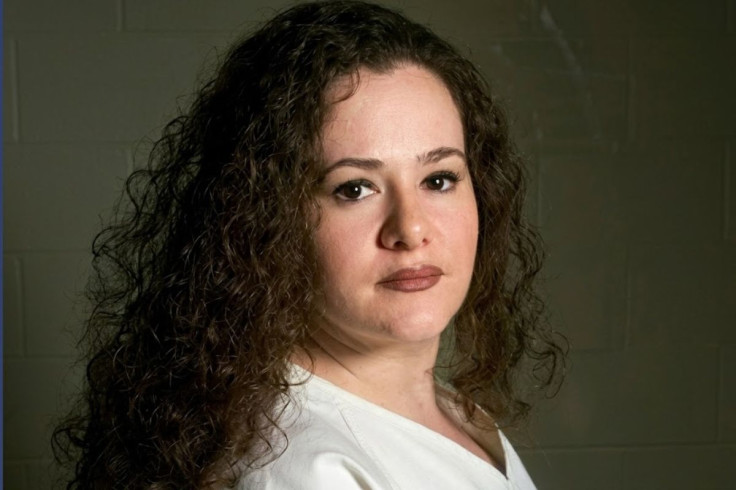
A reporter who witnessed Tennessee's attempt to execute Christa Pike on 30 September said witnesses could still hear her breathing after prison officials administered lethal-injection drugs.
'We could all hear her breathing,' Catherine Sweeney, a reporter for Nashville Public Radio's WPLN News, told NPR. Pike, 50, survived the procedure at Riverbend Maximum Security Institution in Nashville and was taken to hospital by ambulance.
Governor Orders Review and Halts Executions
Governor Bill Lee ordered an independent review and halted Tennessee's remaining executions for the year. Tennessee Department of Correction Commissioner Frank Strada subsequently announced that he would step down later this month.
Pike's lawyers said on 2 October that she was critically ill, unconscious and on a ventilator.
Pike's Conviction and Execution Timeline
Pike was sentenced to death for the 1995 murder of her classmate, 19-year-old Colleen Slemmer. Pike was 18 at the time of the killing.
The only woman on Tennessee's death row, she had been scheduled to become the first woman executed in the state in more than 200 years.
Media witnesses described repeated interruptions during the execution attempt. Tori Gessner, a reporter for Nashville's WKRN, said the curtains opened at 7.26pm local time. At 7.34pm, Pike said her arm felt as though it was 'about to burst open'.
According to witness accounts, the curtains closed at 7.46pm while Pike was still breathing and making sounds described as snoring. They reopened at 7.49pm and closed again at 8.05pm.
Witnesses reported hearing those sounds through the chamber's microphone before it was switched off at about 8.53pm, when they were instructed to leave.
Lawyers Describe Problems With IV Lines
Pike's attorney Randy Spivey, who witnessed the procedure, said staff struggled to establish an intravenous line. Another attorney, Stephen Ferrell, said Pike tried to help staff locate a vein.
Spivey said Pike's arm began to turn purple after a second dose of pentobarbital was administered.
In a court filing, her lawyers alleged that problems with the intravenous lines caused the drug to enter surrounding tissue rather than her bloodstream. They said she sustained significant injuries to both arms, including swelling and blistering.
Those allegations have not been established as the cause of the failed execution attempt. The independent review is examining what happened.
Tennessee Maintains Protocol Was Followed
The Tennessee Department of Correction said staff 'followed every step' of its established execution protocol.
Lee said that 'so far as we know,' the department followed the protocol as outlined, vetted, and approved.
In announcing his departure, Strada maintained that the department had acted in accordance with the protocol but said stepping aside was 'in the best interest' of Tennesseans.
Lee did not provide further details about Strada's departure. The resignation announcement followed the failed execution attempt and the launch of the independent review.
Is Christa Pike Still Alive?
In their 2 October update, Pike's lawyers said she remained unconscious and on a ventilator in hospital. They said she was receiving treatment for the effects of pentobarbital and injuries to both arms.
The update does not establish her condition on 7 October. Her lawyers have renewed calls for Lee to commute her death sentence.
The cause of the failed execution attempt remains unresolved, with Pike's lawyers alleging problems with the intravenous lines and the department maintaining that staff followed the approved protocol.
© Copyright IBTimes 2026. All rights reserved.