

Countryfile Farmer Frank Carr Dies at 35 After Championing Yorkshire Hill Farming
The fourth-generation Yorkshire Dales farmer appeared on the BBC programme in August to discuss family farming, upland livestock and the challenges facing younger farmers
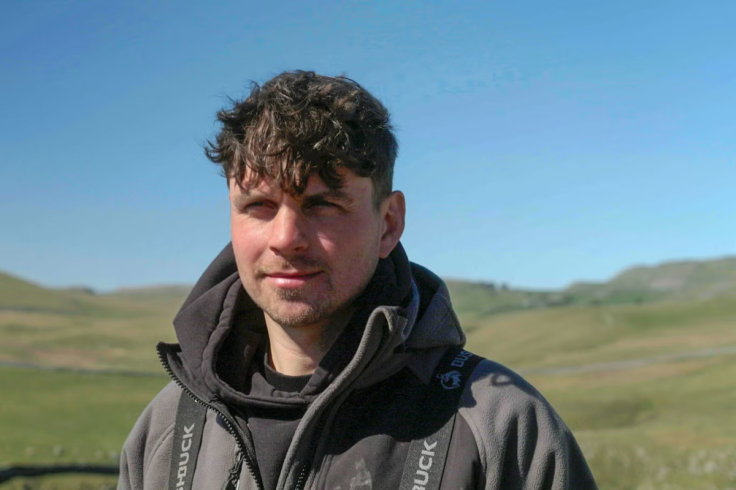
Countryfile farmer Frank Carr, a fourth-generation hill farmer at Lee Gate Farm in Malhamdale, North Yorkshire, has died aged 35, according to Farmers Guardian.
Carr died on 25 September, the weekly farming trade title reported, adding that it published a tribute to him the following week. His death has prompted messages of sympathy from within the local farming community and viewers who saw him on screen earlier this year.
Carr became known to a wider television audience after appearing on the BBC's Countryfile in August, when he discussed the realities of running a family farm in the Yorkshire Dales National Park. The programme focused on his life in Malhamdale and the demands of managing a large upland livestock operation.
Farming Title Pays Tribute to Hill Farmer
Farmers Guardian described Carr as a passionate hill farmer and paid tribute to his contribution to the industry. Its editor, Katie Jones, expressed sadness at his death and respect for his work.
The tribute highlighted his commitment to his family, his livestock, his land and the future of British farming. It also noted the way he had spoken publicly about the pressures on upland farms and the challenges facing younger farmers.
Although details of any formal roles he may have held in local organisations were not set out in the article, Farmers Guardian presented him as someone whose views on hill farming reflected wider concerns in the sector.
Running a Major Dales Livestock Operation
Carr and his family farmed more than 2,000 acres of owned and rented land, raising beef cattle and sheep. The farm lies in Malhamdale, a valley in the Yorkshire Dales National Park that includes the village of Malham.
According to Farmers Guardian, the farm had about 1,300 breeding ewes and 250 breeding cows, alongside store and finished cattle. Breeding ewes and cows are the animals kept to produce lambs and calves, so the figures point to a large livestock operation that required work throughout the year.
Hill farming involves raising livestock on upland ground, where steep terrain and exposed weather can limit what the land can support. Sheep and beef cattle are mainstays of such farms.
Carr was the fourth generation of his family to farm at Lee Gate. The Countryfile programme, broadcast on the BBC in August, featured his work there and the family's farming heritage in the area. Malham is a base for walkers visiting nearby landmarks such as Malham Cove and Gordale Scar, so the farm sits in a landscape familiar to visitors as well as to local families.
Leaving and Then Returning to the Farm
Carr initially did not want to pursue farming as a career. His published profile says he spent several years away from the farm, in further education and travelling, before returning to the family business.
That background meant he had seen life both within and outside agriculture, and it informed the way he spoke about the choices facing younger people in farming families. In interviews and in his television appearance he referred to the pull of the farm and the responsibility involved in deciding whether to take it on.
His appearance on Countryfile offered viewers an insight into how he came to embrace the profession. It introduced his work, and the demands of running a large hill farm, to a wider television audience.
Highlighting the Pressures on Hill Farmers
During the programme, Carr spoke about the financial and practical challenges facing hill farmers, as well as the mental strain associated with farming. He spoke about these pressures as someone who had grown up in a farming family and returned to run the business.
Countryfile is the BBC's long-running rural affairs series, and his contribution brought those issues to viewers beyond the farming community. His comments echoed concerns often raised within agricultural circles about rising costs, changing support schemes and the impact of isolation on farmers' wellbeing.
Anyone affected by the issues raised in this story can contact the Samaritans free on 116 123. The Farming Community Network (03000 111 999) and the Royal Agricultural Benevolent Institution also offer support to people in farming.
© Copyright IBTimes 2026. All rights reserved.